
Protecting your home’s interior during a renovation, painting project, or extended holiday requires a reliable barrier against airborne particles. In Singapore, where high humidity and urban dust can quickly settle into upholstery and wooden crevices, finding the right disposable dust cover is essential for preserving your investment. These temporary shields offer a practical, low-maintenance solution to keep sofas, beds, and cabinetry pristine without the hassle of washing heavy fabric sheets afterward.
Selecting the ideal cover involves more than grabbing the first plastic roll you see on an online marketplace. Because furniture comes in highly diverse shapes, configurations, and materials, a one-size-fits-all approach often leads to torn seams, exposed corners, or trapped moisture. By matching the specific dimensions, material properties, and securement methods of temporary covers to your household items, you can ensure complete protection and peace of mind.
Key Factors When Selecting a Disposable Dust Cover
Before purchasing any temporary protective wrap, you must establish a clear set of criteria based on your specific storage or renovation environment. The primary goal of a disposable dust cover is to create an uninterrupted barrier against dust, paint splatters, and light moisture. To achieve this, you must evaluate how well a product matches the physical footprint of your items and the environmental conditions of your home.
Products mentioned in this guide
![[2-3 Days Delivery] 4.5m x 20m Plastic Dust Cover Protective Plastic Sheet Disposable Furniture Dustproof Cover Protective Cover Plastic Cover Plastic Film for Home Improvement CNY Gift Present](https://img.lazcdn.com/g/p/37fceab8fc43d4b3b58593d55aae9bcb.jpg_400x400q80.jpg_.webp)
Prices are valid at publication and may change. Please refer to the product page for the latest price.
Accurate measurement is the foundation of effective coverage. When calculating the size of the cover you need, always measure the maximum outer dimensions of your furniture and add a generous margin for drape and overlap. A cover that is pulled too taut is highly susceptible to tearing at the seams or corners when subjected to minor shifts or air currents. Allowing an extra 15 to 30 centimeters of material on all sides ensures the cover can drape naturally to the floor and be secured properly.
The packaging of the dust cover provides critical clues regarding its durability and suitability. Look closely at the manufacturer’s specifications for material type and thickness, which is typically measured in micrometers (microns) or mils. Thicker films offer greater resistance to accidental punctures and tears, making them ideal for heavy-duty projects like home remodeling. Conversely, thinner, lightweight sheets are often sufficient for short-term dust protection during a brief weekend getaway.
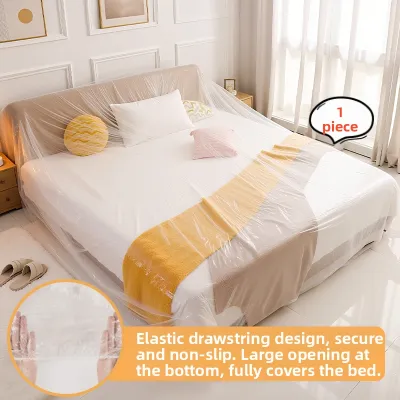
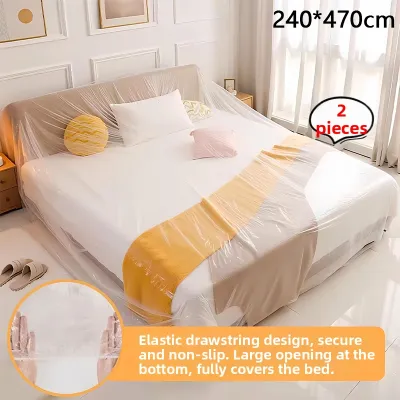
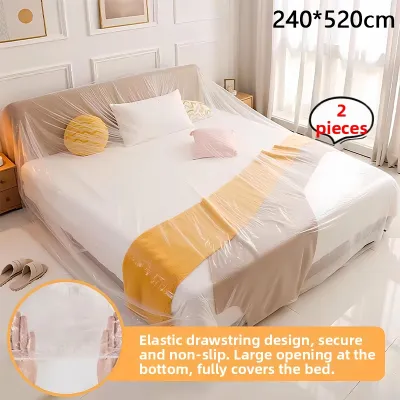
Finally, consider how the cover will remain in place once applied. Some disposable options feature integrated securement elements, such as elasticized hems or built-in drawstrings, which are incredibly convenient for standard-sized items like mattresses or dining chairs. For larger or irregularly shaped furniture, you will likely need to rely on external securement tools. Checking whether you need to purchase additional tape or straps beforehand prevents mid-project delays.
Sizing and Coverage Guide by Furniture Type
Different furniture designs present unique challenges when it comes to temporary wrapping and protection. To ensure your items remain fully shielded, you must adapt your measurement and coverage strategies to the specific structural characteristics of each piece.

Sofas and Sectionals
Sofas and sectionals are among the most challenging pieces to cover due to their deep seats, high backs, and protruding armrests. To find a disposable dust cover that fits comfortably, start by measuring the longest diagonal span of the sofa, as well as its maximum height from the floor to the top of the backrest. Do not rely solely on standard length and width measurements, as the slope of the armrests can create unexpected tension points that stretch thin plastic to its breaking point.
For modular sectionals, you must decide whether to wrap the entire assembly as a single unit or cover each module individually. Wrapping the sectional as one large piece requires an exceptionally wide cover, which can be difficult to handle and secure without creating large air pockets. In most cases, separating the modules and wrapping each one individually with smaller, dedicated covers provides a tighter, more secure fit that is less likely to slip or tear.
When reviewing product options, check the packaging for indications of reinforced seams or heavy-duty construction. The wide spans of multi-seater sofas place significant stress on the center seams of a cover, especially when people or pets brush past them. Opting for covers with double-welded seams or choosing seamless continuous rolls can prevent premature splitting along these critical stress lines.
Beds and Mattresses
Protecting bedroom furniture during storage or home maintenance requires a strategy that addresses both the mattress and the supporting frame. Mattresses are highly susceptible to dust mites, moisture, and staining, making a secure seal absolutely vital. You must first determine whether you need a simple mattress-only bag or a comprehensive cover that can encapsulate the entire bed frame, headboard, and footboard.
For mattress protection, select a cover designed specifically for your bed size, whether it is a single, queen, or king. Ensure the cover has sufficient depth to accommodate modern pillow-top mattresses, which are often significantly thicker than standard models. Always allow extra length at the open end of the cover so you can fold it over multiple times and seal it tightly with tape, preventing any dust ingress during handling or storage.
In Singapore’s tropical climate, trapping moisture inside a plastic enclosure is a serious risk that can lead to mold and mildew growth. Before sealing a mattress or bed frame, verify the manufacturer’s storage instructions regarding breathability. If you plan to store the bed for an extended period, look for covers made from breathable non-woven fabrics, or ensure the room’s humidity is carefully controlled before wrapping the item in non-porous polyethylene.
Tables, Cabinets, and Shelving
Rigid, angular furniture pieces like dining tables, display cabinets, and bookshelves present a high risk of puncturing thin protective films. Sharp corners, decorative carvings, metal handles, and glass edges can easily slice through standard-grade plastic during installation or transit. To mitigate this risk, identify all potential puncture points before applying the cover and consider using cardboard corner protectors or foam padding over sharp edges first.
When measuring tables and shelving units, calculate both the top surface area and the vertical drop to the floor. The cover should drape fully to the ground to prevent dust from swirling underneath and settling on lower shelves or table legs. If the cover is too short, it leaves the lower portions of the furniture exposed; if it is too long, the excess material can become a tripping hazard or collect dirt from the floor.
Securing loose material is particularly important for pedestal tables or shelving units with open bases. Use auxiliary painter’s tape or soft furniture ties to gather the excess cover material around the legs or central support columns. This prevents the cover from billowing like a sail when doors are opened or fans are running, keeping the protective barrier tight and stable.
Material and Thickness Considerations
The performance of a disposable dust cover depends heavily on its material composition and thickness. Understanding the differences between common options allows you to select a product that matches the level of hazard your furniture will face.
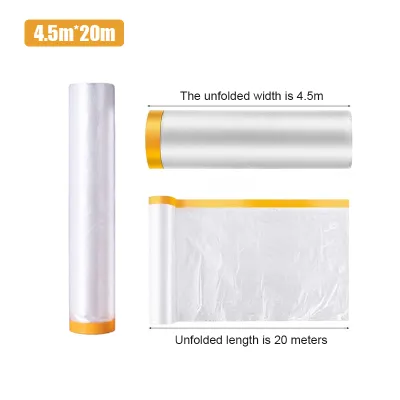
Polyethylene (PE) film is the most common material used for disposable covers due to its excellent water resistance and dust-blocking capabilities. High-density polyethylene (HDPE) is typically thinner and crinkles easily, making it a cost-effective choice for quick, short-term dust protection. Low-density polyethylene (LDPE) is thicker, more flexible, and offers superior puncture resistance, making it the preferred choice for moving house or protecting furniture during active construction.
Non-woven polypropylene fabrics offer an alternative to traditional plastic sheeting. These materials are highly breathable, allowing trapped moisture to escape while still blocking the majority of airborne dust particles. This breathability makes non-woven covers highly suitable for long-term storage of wooden furniture, leather sofas, and mattresses, as it minimizes the risk of condensation and subsequent mold development in humid environments.
When evaluating product packaging, check for specific indicators of puncture resistance and weight capacity if you plan to stack items or move wrapped furniture. Keep in mind that disposable covers are designed for temporary use and have distinct limitations. They generally offer poor resistance to prolonged UV exposure, which can cause plastic to degrade and become brittle over time, and they do not replace the need for proper climate control in long-term storage facilities.
Installation and Securement Tips
Proper installation is just as important as choosing the right size and material. Even the highest-quality disposable dust cover will fail to protect your furniture if it is applied incorrectly or secured poorly.
Begin by thoroughly preparing the furniture surface. Clean and dry the item completely to remove any existing dust, oils, or moisture. Applying a plastic cover over a damp surface or trapping abrasive dust particles underneath can lead to mold growth or permanent scratches on delicate wood finishes and leather upholstery. Allow fabric items to air out completely in a well-ventilated room before wrapping them.
When applying the cover, work from the top of the furniture piece downward. Gently drape the material over the highest point, then smooth it outward and downward to eliminate large air pockets. Trapped air can cause the cover to billow and pull at the seams, increasing the risk of accidental tears when people walk past. For tall cabinets or wardrobes, use a sturdy step stool to ensure you can reach the top safely without tugging on the cover.
To seal openings and secure loose edges, use high-quality painter’s tape or specialized elastic furniture straps. Avoid using heavy-duty packing tape directly on finished wood, leather, or delicate fabrics, as the strong adhesive can leave a sticky residue or strip away the finish when removed. Apply painter’s tape only to the cover material itself or to inconspicuous areas, ensuring a tight seal that keeps dust out without risking damage to your valuable belongings.
Purchasing Checklist for Online and In-Store Shopping
To avoid the frustration of receiving ill-fitting or fragile covers, use this practical checklist when browsing online marketplaces or local home improvement stores in Singapore.
- Verify Dimensions: Cross-reference the product's stated dimensions with your actual furniture measurements. Always select a size that includes a margin of at least 15 to 30 centimeters of extra material to account for curves, armrests, and draping.
- Check Material Specifications: Look for explicit mentions of material type (such as LDPE or non-woven fabric) and thickness. Avoid products that do not list these specifications, as they are often extremely thin and prone to tearing.
- Read Customer Reviews: Look for feedback specifically mentioning tear resistance, sizing accuracy, and the presence of strong chemical odors. Reviews that highlight how the cover performed during actual renovations or moves are highly valuable.
- Confirm Package Quantity: Calculate how many covers you need for all your furniture pieces. Purchasing multi-packs or bulk rolls is often more economical than buying individual covers, and it ensures you have spare material in case of installation mistakes.
- Review Return Policies: Ensure the retailer offers a straightforward return or exchange policy. If a cover arrives damaged or is significantly different from the advertised dimensions, you want to be able to exchange it without hassle.
Frequently Asked Questions (FAQ)
Can I reuse a disposable dust cover after moving?
While these covers are designed for temporary use, you can sometimes reuse them if they remain in good condition. Carefully inspect the entire surface for micro-tears, stretched hems, or compromised seams after removing it from your furniture. If the cover shows any signs of wear, puncture, or thinning, it should be discarded, as reusing a compromised cover risks dust ingress and moisture trapping during its next application.
How do I prevent condensation under a plastic cover?
To prevent moisture buildup, ensure that both the furniture and the surrounding environment are completely dry and at room temperature before sealing the cover. Avoid wrapping furniture immediately after cleaning it with liquid solutions. If you are storing items in a humid area, check if the cover material is labeled as breathable, or place manufacturer-recommended desiccant packs inside the cover to absorb any residual moisture.
Community discussion
Share your experience or ask a question. Comments are reviewed before publication.