
When shopping for a single bed frame pull out for a children’s room in Singapore, balancing space efficiency with uncompromising safety is the primary challenge for parents. While a pull-out or trundle bed offers an excellent solution for shared bedrooms, sleepovers, or space-constrained HDB flats and condominiums, it introduces unique mechanical and structural risks. To ensure a child’s safety, parents must look beyond attractive showroom designs and focus on verifiable safety certifications, robust mechanical designs, and precise structural dimensions. Identifying a truly safe pull-out bed requires understanding international furniture standards, knowing how to cross-reference brand claims with independent test reports, and evaluating the physical limits of your home environment.
In Singapore’s bustling furniture market, many brands advertise products as “child-safe” or “highly durable.” However, these subjective marketing terms do not guarantee that a bed frame can withstand the daily wear and tear of active children or prevent common accidents like finger pinching, limb entrapment, or structural collapse. By adopting a systematic approach to evaluating safety standards, inspecting mechanical features, and verifying manufacturer documentation, you can confidently select a pull-out bed frame that protects your children while maximizing their sleeping space.
Recognized Safety Standards for Children's Beds
When evaluating children’s beds in Singapore, the most reliable indicator of safety is compliance with recognized international and regional safety standards. Because Singapore does not have a single, localized safety certification exclusive to children’s domestic bed frames, reputable brands typically test their products against established European, American, or international benchmarks. Understanding these standards allows you to look past vague marketing claims and identify frames engineered to prevent serious injuries.
Products mentioned in this guide
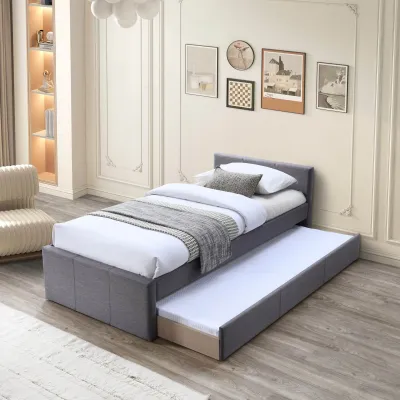


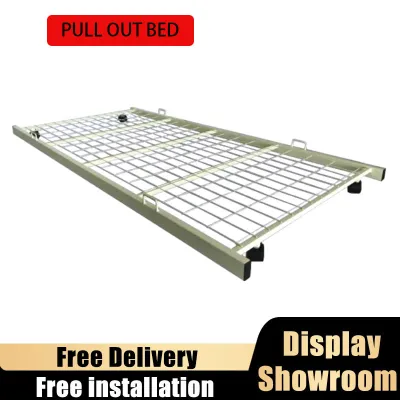
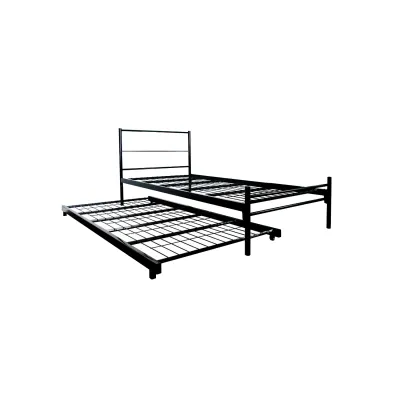
![[TheGoodFurniture] 单人铁床 Single Size Metal Bed. Single bed. Bed Frame. Budget. Cheap and good. Pullout bed. *FAST DELIVERY*](https://img.lazcdn.com/g/p/5d258da07c429627ee2ba3cd51672d08.jpg_400x400q80.jpg_.webp)
![[FREE INSTALLATION] KENZZO: Wooden single bed frame with headboard/ super single bed frame/Pull out bed/storage bed](https://img.lazcdn.com/g/p/6b17ef488a1c7170cd309d76ce51fe13.jpg_400x400q80.jpg_.webp)
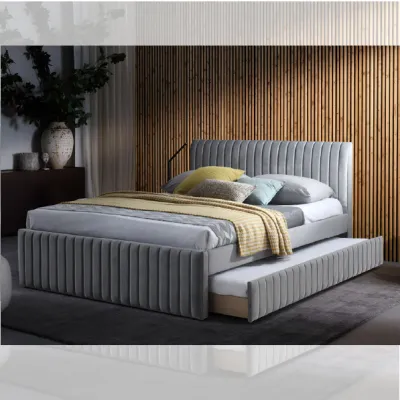
Prices are valid at publication and may change. Please refer to the product page for the latest price.
The European Standard EN 747 (specifically EN 747-1 and EN 747-2) is one of the most rigorous benchmarks for multi-tier beds, which includes bunk beds and elevated frames with pull-out components. This standard specifies strict requirements for structural stability, material strength, and the prevention of entrapment hazards. For instance, it dictates that any gaps in the bed structure must be designed to prevent a child’s head, torso, or limbs from becoming trapped. Generally, safety standards require that gaps must either be smaller than 25 mm or between 60 mm and 75 mm to eliminate the risk of head entrapment, while larger openings must exceed 230 mm to ensure a child can pass through safely without getting stuck.
Another widely respected benchmark is the American ASTM F1427 standard, which outlines consumer safety specifications for bunk beds and multi-tier sleeping arrangements. This standard focuses heavily on guardrail integrity, structural fasteners, and the prevention of accidental falls. Additionally, for the materials used in the bed’s construction, look for certifications like Greenguard Gold or OEKO-TEX. These certifications ensure that the paints, finishes, adhesives, and textiles used in the bed frame emit extremely low levels of volatile organic compounds (VOCs) and are free from harmful chemicals, protecting your child’s respiratory health.
To locate these compliance statements, start by examining the product labels, packaging, or the technical specifications sheet on the brand’s official website. A reputable manufacturer will clearly list the specific standards their products meet. It is crucial to distinguish between a manufacturer’s self-declared “compliance” and independent third-party testing. Self-declaration means the brand claims to have designed the bed according to the rules, whereas third-party certification means an accredited, independent laboratory has physically tested the bed frame under load and impact conditions to verify its safety.
Essential Design Features of a Safe Pull-Out Bed
A safe single bed frame pull out relies on precise mechanical engineering to ensure that the lower bed operates smoothly and securely. The trundle or pull-out mechanism is the most active component of the bed, making it a primary focus for safety evaluations. Parents should closely inspect the tracks, rollers, and alignment systems to ensure they are designed to prevent accidents during daily operation.

First, evaluate the smoothness of the pull-out mechanism and the presence of anti-derailment features. High-quality pull-out frames utilize track limiters, safety stoppers, or guide rails that prevent the lower bed from being pulled completely out of its alignment unless intentionally unlocked. This prevents the trundle from rolling off its tracks and tipping over, which could injure a child’s feet or damage the surrounding floor. Furthermore, look for anti-pinch gaps—clearances designed into the frame joints and sliding mechanisms that prevent small fingers from getting caught or crushed when the bed is being opened or closed.
Second, if the main bed frame is elevated to accommodate the pull-out unit, guardrail specifications become paramount. Even if the top bed is a standard single height, a guardrail is highly recommended for younger children. The guardrail must be securely fastened to the frame using metal-to-metal connections rather than simple wood screws, which can loosen over time. Check the height of the guardrail relative to the mattress: the top of the rail must sit at least 160 mm above the top surface of the mattress to provide an effective barrier against rolling off. Slat spacing on the guardrails and the bed base must also be uniform, with no wide gaps that could invite entrapment.
Finally, review the manufacturer’s specifications for maximum weight capacity and frame connection methods. Children’s beds must be able to support not only the sleeping child but also the weight of a parent sitting on the edge or the dynamic impact of a child climbing onto the bed. Look for frames constructed from robust materials, such as solid hardwoods or heavy-gauge powder-coated steel. Inspect the joints; high-quality frames utilize mortise-and-tenon joinery, heavy-duty steel brackets, or through-bolts with locking nuts. Avoid frames that rely solely on staples, glue, or light-duty screws at critical load-bearing joints, as these can fail under repeated stress.
How to Verify Brand Safety Claims and Certifications
In the furniture industry, terms like “child-safe,” “non-toxic,” and “premium quality” are frequently used as marketing buzzwords without substantive backing. To protect your family, you must take active steps to independently validate a brand’s safety claims before making a purchase. This verification process is especially important when shopping at local retailers or online marketplaces where product descriptions may be brief or generalized.
Start by requesting specific test reports or certification documents directly from the retailer or the brand’s official customer service channel. A trustworthy brand that has invested in safety testing will readily provide these documents to prospective buyers. When reviewing a test report, check the date of the test, the specific model name of the bed frame, and the name of the testing laboratory. Ensure the report is relatively recent and matches the exact product design you intend to buy, rather than an older or completely different model from the same brand.
Next, verify whether the certifying body is an accredited, independent testing laboratory. Globally recognized organizations such as TÜV Rheinland, SGS, Intertek, and UL (Underwriters Laboratories) are accredited to perform rigorous mechanical and chemical testing on furniture. If a brand presents a certificate issued by their own internal quality control department, treat it with caution. Internal testing lacks the objective oversight and standardized testing rigs used by independent laboratories to simulate years of heavy use and abuse.
Be skeptical of vague safety claims that lack supporting evidence. For example, if a brand claims their bed frame uses “eco-friendly, child-safe paint,” ask for the specific chemical test report (such as EN 71-3, which restricts the migration of certain elements in children’s toys and furniture). If the retailer cannot or will not provide documentation to support their safety claims, it is safer to assume the product has not undergone independent testing. Investing in a brand that prioritizes transparency and provides verifiable certification numbers ensures you are getting a genuinely safe product.
Pre-Purchase Space and Structural Assessments
Before finalizing your purchase of a single bed frame pull out, you must conduct a thorough physical assessment of your home environment. A bed frame that is certified safe in a laboratory can still become a safety hazard if it is installed in an unsuitable space or assembled incorrectly. In Singapore, where bedroom layouts in HDB flats and condominiums can be compact, precise measurements are essential.
Begin by measuring the available floor space in the bedroom. You must account for the dimensions of the main bed frame, the total length of the pull-out frame when it is fully extended, and the remaining clearance around the bed. For safety, there should be at least 60 cm of clear walking space remaining in the room when the pull-out bed is fully extended. This ensures that parents can access both beds easily in an emergency and prevents children from tripping over the frame when moving around the room at night. Additionally, check that the extended bed does not block wardrobe doors, bedroom entryways, or emergency exit paths.
Do not forget to assess the delivery path. Measure the height and width of your apartment’s doorway, the clearance of corridors, and the dimensions of the passenger lift in your building. Many high-quality, sturdy bed frames are delivered in large, heavy packages or semi-assembled states. Ensuring that the delivery team can safely transport the components into your home without damaging the frame or compromising its structural integrity is a crucial first step.
Next, evaluate the floor surface where the bed will be placed. Pull-out beds rely on casters or wheels to slide in and out. If your floor is uneven, or if you plan to place the bed on a thick rug or deep-pile carpet, the wheels may drag, causing the frame to misalign or require excessive force to operate. This added strain can damage the tracks, loosen the frame joints, or cause the trundle to derail. Ensure the floor is flat and level, and choose casters that are appropriate for your flooring material—soft polyurethane wheels are ideal for protecting parquet or vinyl floors, while firmer nylon wheels work well on low-pile carpets.
Finally, confirm the assembly requirements. Many safety issues arise from improper DIY assembly, such as misaligned tracks, loose bolts, or missing safety brackets. If the manufacturer offers professional installation, it is highly recommended to utilize this service. Professional installers have the tools and experience to ensure the frame is perfectly rigid, the tracks are aligned, and any wall-anchoring brackets are securely installed. If you choose to assemble the bed yourself, follow the manufacturer’s instructions meticulously, use the specified hardware, and double-check every connection before allowing a child to use the bed.
Safe Usage and Maintenance Guidelines
Maintaining the safety of a single bed frame pull out does not end with a successful installation. Over time, the mechanical movements of pulling the trundle out and pushing it back in, combined with the active movement of children, can cause fasteners to loosen and components to wear. Establishing a routine maintenance schedule and clear usage rules is essential to prolonging the life of the bed and preventing accidents.
Create a habit of inspecting the bed frame at least once every six months, or every three months if the bed is used daily. During this inspection, use the appropriate tools to tighten any loose screws, bolts, or cam locks. Check the wooden components for any signs of splitting, cracking, or splintering, especially around load-bearing joints and caster attachments. For metal frames, inspect the welds and look for any signs of bending or metal fatigue. Examine the casters and tracks to ensure they are free of dust, hair, and debris, which can cause friction and damage the rolling mechanism.
It is equally important to establish clear safety rules with your children regarding the use of the pull-out bed. Educate them that the pull-out frame is designed solely for sleeping and quiet activities. Prohibit jumping, bouncing, or rough play on both the main bed and the extended trundle. The dynamic force of a jumping child can easily exceed the weight limits of the frame, bend the metal tracks, crack the wooden slats, or cause the casters to collapse, leading to sudden structural failure and potential injury.
Finally, define clear stop-use conditions for the bed. If you observe that the pull-out mechanism is jamming, requiring excessive force to open, or making loud grinding noises, stop using the trundle immediately. Other warning signs include visible sagging of the slats, a noticeable wobble in the frame, or creaking joints that remain loose even after tightening. In these situations, do not attempt temporary or makeshift repairs. Consult the manufacturer’s care instructions, contact their customer support, or hire a qualified professional furniture repair service to resolve the issue safely.
Frequently Asked Questions (FAQ)
Do pull-out beds require a specific type of mattress for safety?
Yes, pull-out beds have strict mattress requirements to ensure safe operation and prevent accidents. The lower pull-out trundle frame typically has a limited vertical clearance beneath the main bed frame. If you use a mattress that is too thick, the trundle will jam when you try to slide it closed, which can damage the mattress, bend the tracks, or warp the wooden frame. Always check the manufacturer’s specifications for the maximum allowable mattress thickness for the trundle, which is commonly between 10 cm and 15 cm.
Furthermore, if the top bed is equipped with a guardrail, the thickness of the top mattress must be carefully managed. If the top mattress is too thick, it will reduce the effective height of the guardrail, increasing the risk of a child rolling over the top. To maintain compliance with safety standards, the top of the guardrail must remain at least 160 mm above the top surface of the mattress. Always measure your mattresses and compare them to the manufacturer’s guidelines before purchasing.
Is it safe to use a pull-out bed for a toddler transitioning from a crib?
Transitioning a toddler from a crib to a single bed frame pull out requires careful planning and safety precautions. The lower pull-out bed is very close to the floor, which minimizes the risk of injury from a fall compared to a standard-height bed. However, pull-out beds often lack built-in guardrails on the sides, and the gap between the extended trundle and the main bed frame can present an entrapment hazard for a very young child.
Generally, children under the age of six should not sleep on elevated beds, and toddlers transitioning from a crib should use beds specifically designed with secure, wrap-around safety rails. If you plan to use the lower pull-out bed for a toddler, ensure that the frame is fully locked in place, that there are no gaps where a child’s limbs could become wedged, and consider using a removable, certified toddler safety rail. Assess your child’s developmental readiness and physical coordination before making the transition.
How often should the pull-out mechanism be inspected?
The pull-out mechanism, including the tracks, casters, safety stoppers, and alignment guides, should be inspected at least once every six months. If the pull-out bed is used every night as a primary sleeping arrangement, increase the inspection frequency to once every three months. Regular inspections help identify minor issues before they develop into safety hazards or cause permanent damage to the bed frame.
During your inspection, check for smooth rolling action and ensure that the safety stoppers are securely in place to prevent the trundle from sliding off its tracks. Clean any accumulated dust, lint, or hair from the wheels and tracks, as debris can cause the wheels to drag and put uneven stress on the frame. If you detect any abnormal resistance, grinding noises, or misalignment, stop using the mechanism immediately, check for loose hardware, and consult the manufacturer’s guidelines for proper maintenance or lubrication.
Community discussion
Share your experience or ask a question. Comments are reviewed before publication.