
To find the best customization options for an aluminum cabinet in Singapore, you must look beyond basic dimensions and evaluate how brands handle custom spatial engineering, advanced surface finishes, and hardware integration. In Singapore’s humid climate, where traditional wood-based cabinetry faces risks of termite infestation, warping, and mold, aluminum cabinets have transitioned from a utilitarian choice for wet kitchens to a premium, highly customizable solution for the entire home. However, the level of customization varies significantly between providers. This guide outlines the key criteria, structural considerations, and service factors you must evaluate to choose the right brand for your kitchen renovation.
Understanding Aluminum Cabinet Customization
True customization in aluminum cabinetry goes far beyond simply cutting metal panels to fit a specific length. When evaluating brands, you must look at the overall design flexibility, which includes custom frame profiles, specialized panel finishes, and seamless hardware integration. A highly customizable system allows you to select different frame thicknesses to match your design aesthetic, whether you prefer a bold, industrial look or a slim, minimalist profile.
It is vital to verify specific surface treatments and connection structures rather than relying solely on the “aluminum” material name for moisture or termite resistance. While raw aluminum does not rot or attract pests, poor fabrication can compromise these inherent benefits. Ask brands about their surface finish specifications; for example, architectural-grade powder coating (ideally with a thickness of 60 to 80 microns) or anodizing is essential to prevent oxidation, bubbling, and peeling in high-humidity cooking environments.
Products mentioned in this guide
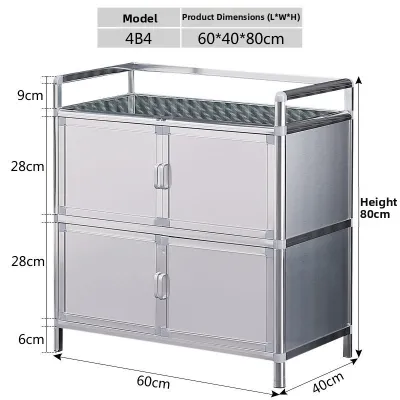
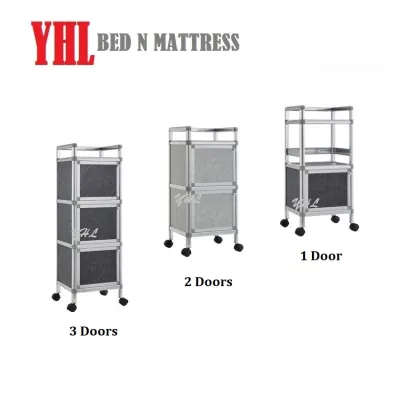
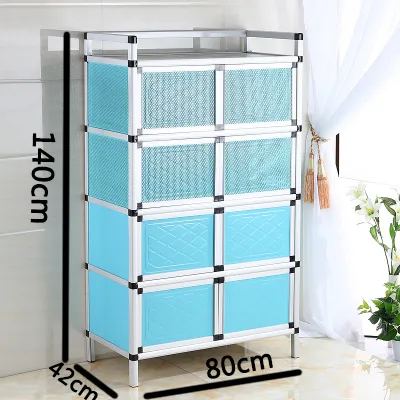
Prices are valid at publication and may change. Please refer to the product page for the latest price.
Furthermore, examine how the cabinet frames are joined. Cheaper systems often rely on plastic corner connectors that degrade over time under the weight of heavy stone countertops. High-quality custom brands utilize mechanical joints, internal corner keys, or specialized welding to ensure structural integrity. Always check the manufacturer’s care instructions and evaluate if the cabinet’s construction is compatible with your specific cooking habits—such as heavy wok frying, high-heat exposure, or frequent wet cleaning—to ensure long-term durability.
Core Customization Dimensions to Compare
Layout and Spatial Adaptation
Singaporean homes present unique spatial challenges. Older HDB flats often feature uneven walls, exposed structural beams, and awkward corners, while newer BTO layouts and condominiums may have compact, highly restricted footprints. A premium customization brand must demonstrate the ability to scribe filler panels precisely to uneven masonry, ensuring a flush finish without unsightly gaps where dust and pests can accumulate.

Evaluate how the brand handles corner spaces. They should offer custom blind-corner solutions, L-shaped pull-outs, or diagonal corner units rather than leaving dead space. Furthermore, integrating built-in appliances—such as heavy ovens, hobs, hoods, and integrated dishwashers—requires careful structural planning. The brand must design reinforced aluminum framing that can support the thermal output and mechanical vibrations of these appliances without warping or compromising the cabinet’s overall stability.
Aesthetic Finishes and Door Profiles
The visual adaptability of aluminum has evolved dramatically, meaning you no longer have to settle for a cold, industrial metallic look. Compare the brand’s selection of surface finishes. High-definition wood-grain powder coatings mimic the texture and warmth of natural timber, while matte, gloss, and textured powder-coated finishes offer a sleek, contemporary aesthetic. Glass inserts—ranging from frosted and ribbed to tinted glass—can also be integrated into aluminum frames to create elegant display cabinets.
Door profiles are equally critical to the overall design. Assess whether the brand offers handle-less designs (such as push-to-open mechanisms), integrated J-pull or G-pull profiles extruded directly into the aluminum frame, or pre-drilled provisions for traditional handles. Integrated grips provide a seamless, modern look that is easy to clean, which is highly beneficial in busy kitchens.
Internal Storage and Hardware Compatibility
A kitchen’s usability depends on its internal hardware. When evaluating brands, verify their compatibility with premium, third-party hinge and runner systems (such as Blum or Hettich). Because aluminum is a rigid material, mounting hardware requires precise pre-drilling and specialized threaded inserts; self-tapping screws driven directly into thin aluminum walls can easily strip and loosen over time.
Inquire about the structural support for modular drawer organizers, pull-out larder units, and heavy-duty pantry systems. The cabinet frames must be engineered with internal reinforcement ribs or thicker gauge profiles to bear the load of heavy cookware and pantry staples without sagging.
Evaluating Brand Capabilities and Service Quality
Specialized Fabricators vs. Full-Service Renovation Firms
When sourcing custom aluminum cabinets in Singapore, you will generally choose between two primary service models: direct, specialized aluminum fabricators or full-service interior design and renovation firms.
Direct specialized fabricators possess deep technical expertise in metalworking. They control the entire manufacturing process, often operating their own local or regional production facilities. This direct control typically translates to higher precision, faster lead times, and lower direct costs for the cabinetry itself. However, they may offer limited assistance with broader design coordination, space planning, or managing other trades like electrical wiring and plumbing.
Conversely, full-service interior design or renovation firms provide holistic project management. They handle the complete kitchen layout, coordinate electrical and plumbing works, and ensure the cabinetry matches the home’s overall aesthetic. However, these firms almost always outsource the actual fabrication of aluminum cabinets to third-party specialists. This can introduce communication gaps, longer lead times, and additional markups on the cabinetry cost.
Assessing Manufacturing and Installation Standards
To evaluate a brand’s actual quality, visit their showroom or inspect completed portfolios. Pay close attention to the joints and edge treatments. Premium fabricators use mitered corners with internal corner keys that fit perfectly, leaving no sharp edges or visible gaps. The edges of panels should be smoothly finished to prevent accidental cuts during daily use.
Logistical planning is another critical factor. Because aluminum cabinets are often partially prefabricated in a factory to maintain structural precision, you must verify that the finished modules can actually be transported into your home. Ensure the brand measures lift doors, stairwells, and apartment entryways. In older Singaporean housing estates, tight lift dimensions can prevent the delivery of large, single-cabinet sections, requiring the fabricator to design modular units that can be securely assembled on-site.
Warranty and After-Sales Support
An aluminum kitchen is a long-term investment, often costing anywhere from S$4,000 to over S$15,000 depending on the size and customization level. Therefore, a robust warranty is essential. A comprehensive warranty should cover structural integrity (such as frame sagging or joint separation) for at least 5 to 10 years, along with specific coverage for finish peeling, bubbling, and hardware alignment.
Before signing a contract, ask about the brand’s actual process for handling warranty claims. Do they have a dedicated local service team? What is their typical response time for adjusting misaligned doors or replacing a damaged hinge? A brand with a reliable, local presence in Singapore will offer much greater peace of mind than one that relies on overseas technicians for minor repairs.
Essential Questions to Ask During the Consultation
To avoid unexpected costs and ensure your design vision is realized, prepare a targeted list of questions before meeting with brand representatives.
First, clarify the design and visualization process. Ask: “Does your quote include 3D renderings, and how many revisions are permitted before a fee is charged?” Ensure that any agreed-upon changes are documented in writing with updated technical drawings showing exact dimensions and appliance cutouts.
Second, dissect the pricing structure. Ask: “What is included in the base per-foot-run price, and what are the specific costs for add-ons?” Common upgrades that can quickly inflate your budget include premium soft-close hinges, specialized drawer runners, scribing fees for uneven walls, custom cutouts for sink and hob plumbing, and decorative end panels. Understanding these costs upfront prevents unpleasant surprises when the final invoice arrives.
Third, discuss timelines and contingency plans. Ask: “What is the estimated lead time from final measurement to installation, and how do you handle on-site measurement errors or delivery defects?” If a cabinet section arrives with incorrect dimensions, a reputable brand should have a clear protocol to rectify or remake the piece promptly without charging you extra.
Finally, address site preparation and logistics. Ask: “Does your service include the dismantling, disposal, and haulage of my existing kitchen cabinets, and what measures do you take to protect my flooring and walls during installation?” In Singapore, proper disposal of old cabinetry must comply with town council or estate management guidelines, so confirming whether the contractor handles this is crucial for a hassle-free renovation.
Frequently Asked Questions (FAQ)
Can aluminum cabinets be repainted or refinished later?
Unlike traditional wood or MDF cabinets, which can be easily sanded and repainted at home, aluminum cabinets finished with factory-applied powder coating or anodized layers cannot be easily refinished using standard DIY paint. Attempting to paint over these specialized surfaces without industrial preparation usually results in peeling and flaking. If you wish to change the look of your kitchen in the future, the most practical approach is to work with the original manufacturer to replace only the door panels or update the hardware, rather than attempting to repaint the existing frames.
Do aluminum cabinets produce a loud metallic sound when closed?
High-quality modern aluminum cabinets do not produce a tinny or loud metallic sound. Reputable brands mitigate noise by utilizing composite panels with acoustic dampening properties, such as aluminum honeycomb cores or high-density foam infills. Additionally, the integration of premium soft-close hinges and rubber bumper pads along the inner frame edges ensures that doors and drawers close silently and smoothly, providing an acoustic experience comparable to high-end wooden cabinetry.
Is it possible to mix aluminum frames with other materials?
Yes, hybrid designs are highly feasible and increasingly popular in Singaporean kitchens. You can pair a durable, moisture-resistant aluminum carcass with premium engineered stone or quartz countertops, or even integrate wooden or acrylic accent panels for a warmer aesthetic. However, because different materials expand and contract at different rates under temperature fluctuations, you must consult your fabricator to ensure they use flexible, high-grade structural adhesives and proper joint sealing to prevent stress fractures and maintain structural integrity over time.
Community discussion
Share your experience or ask a question. Comments are reviewed before publication.