
Finding the right fabric pull-out sofa bed for a Singapore HDB flat involves assessing spatial efficiency, mechanical durability, and fabric resilience against tropical humidity. Because modern HDB layouts prioritize space optimization, a dual-purpose sofa bed must transition seamlessly without obstructing daily foot traffic or straining the household budget. Rather than relying on subjective brand rankings or marketing claims, the most reliable approach is to evaluate options against objective benchmarks: frame construction, fabric specifications, mechanical safety, and local warranty support. By focusing on these verifiable quality indicators, homeowners can select a durable piece of furniture that serves as both a comfortable daily seat and a supportive guest bed.
Evaluating a sofa bed requires looking beyond aesthetics to understand how the piece will function under the specific environmental and structural conditions of high-density housing. From navigating tight lift lobbies during delivery to managing indoor moisture levels, every detail plays a role in the long-term viability of your purchase. This guide outlines the essential technical specifications, spatial calculations, and material checks necessary to make an informed decision when shopping for a fabric pull-out sofa bed in Singapore.
Space and Delivery Constraints for HDB Homes
Before browsing designs, you must establish the precise physical boundaries of your living room or spare study. A pull-out sofa bed occupies two distinct footprints: its compact seating configuration and its fully extended sleeping configuration. To prevent a cramped layout, measure the floor area and ensure that even when the bed is fully extended, there remains a comfortable walking clearance of at least 50 to 60 centimeters around the perimeter. This clearance is vital for accessing nearby wardrobes, power outlets, or balcony doors without having to climb over the mattress.
Products mentioned in this guide
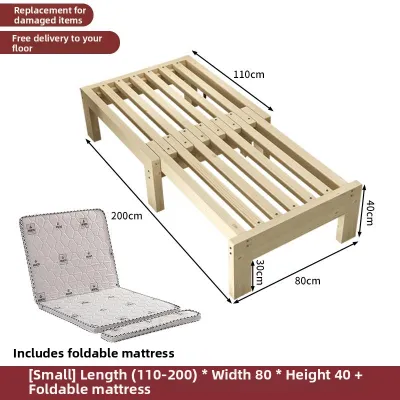
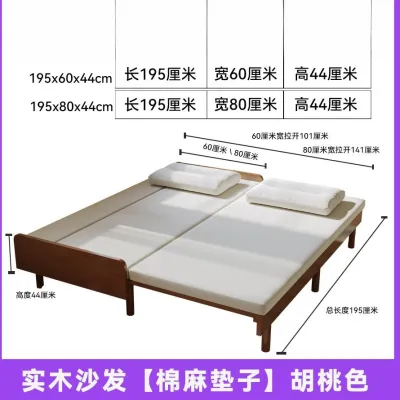
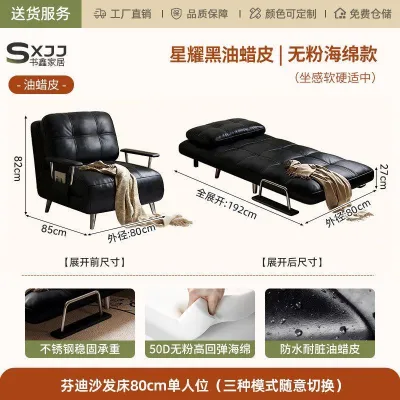
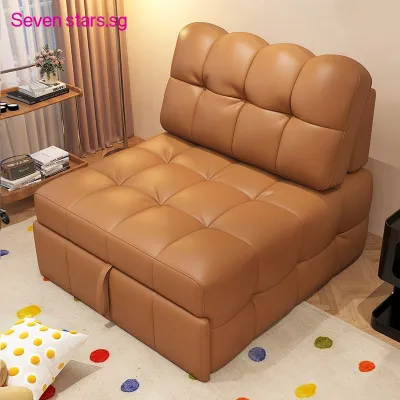
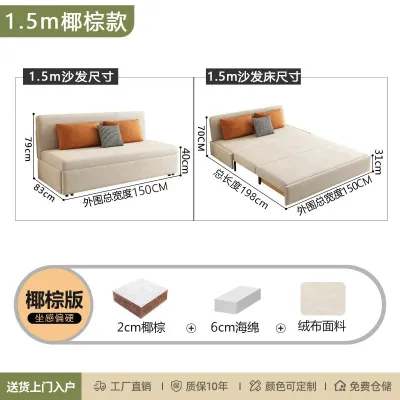
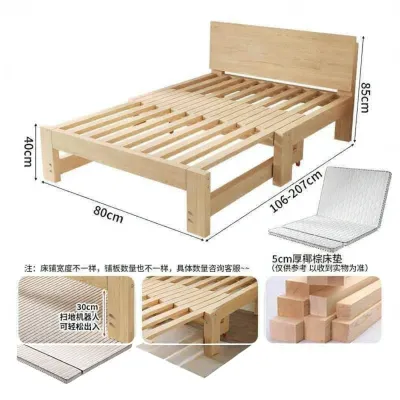
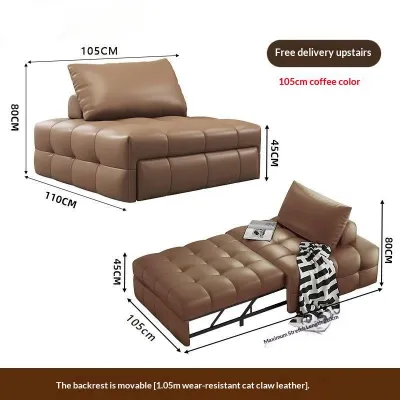
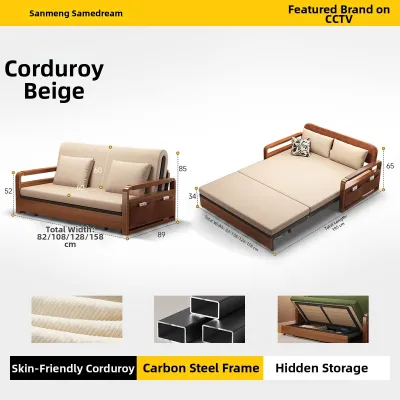
Prices are valid at publication and may change. Please refer to the product page for the latest price.
Delivery logistics present another critical bottleneck for HDB dwellers. Many high-quality sofa beds feature heavy, pre-assembled steel frames or solid timber bases that cannot be easily disassembled. You must measure the height, width, and diagonal clearance of your HDB flat’s main entrance, as well as any narrow corridors leading to the designated room. Furthermore, verify the dimensions of the HDB passenger lift car and its door opening. If the packaged furniture exceeds these dimensions, delivery teams may have to transport the item via the staircase, which often incurs additional manual handling fees of S$10 to S$20 per flight of stairs.
Floor protection is an often-overlooked aspect of heavy multi-functional furniture. Pull-out mechanisms concentrate significant weight onto small contact points, such as metal casters or support legs. When extended, this concentrated load can scratch, dent, or warp sensitive HDB flooring materials like vinyl, laminate, or polished parquet. To safeguard your floors, look for sofa beds equipped with wide, non-marking polyurethane wheels or sturdy legs fitted with dense felt pads. Alternatively, plan to place a low-pile, durable area rug beneath the sofa bed to distribute the weight and absorb the friction of daily transitions.
Selecting Durable and Climate-Appropriate Fabrics
Singapore’s hot and humid climate demands careful consideration of fabric composition and weave. When evaluating fabric options, do not rely solely on how soft a material feels to the touch; instead, check the manufacturer’s technical specifications for the Martindale rub count. The Martindale test measures a fabric’s resistance to abrasion, with higher numbers indicating greater durability. For a sofa bed intended for regular daily seating and occasional sleeping, look for a minimum rating of 15,000 to 20,000 rubs, while households with high-traffic needs or pets should aim for 30,000 rubs or more.

Fabric composition directly influences breathability and moisture management. Synthetic fibers like high-grade polyester and nylon blends are highly resilient, resistant to stretching, and generally easier to spot-clean, making them practical choices for busy households. However, tightly woven synthetics can trap body heat. If breathability is a priority, look for blended fabrics that incorporate natural fibers like cotton or linen, which allow better airflow. Keep in mind that natural fibers are more porous and prone to absorbing ambient humidity, which can lead to mold or musty odors if the room is not well-ventilated.
Maintenance preferences should dictate whether you choose removable covers or fixed upholstery. Removable, machine-washable covers offer a significant hygiene advantage, allowing you to easily wash away sweat, dust mites, and accidental spills. If the sofa bed features fixed upholstery, verify whether the fabric has been pre-treated with a water-resistant or stain-repellent coating. For fixed fabrics, you will need to rely on regular vacuuming with a brush attachment and occasional professional deep cleaning to maintain fabric integrity and prevent the buildup of allergens in enclosed HDB rooms.
Testing the Pull-Out Mechanism and Sleep Support
The mechanical core of a pull-out sofa bed determines both its longevity and ease of use. When testing a model in a showroom or reviewing its specifications online, pay close attention to the transition mechanism. The pull-out action should feel smooth, balanced, and require minimal physical exertion. Grinding noises, resistance, or lateral wobbling during the transition indicate poor alignment or weak joints. Look for mechanisms constructed from powder-coated steel or heavy-duty iron, as these materials resist warping under repeated mechanical stress far better than lightweight aluminum or plastic components.
Sleep support depends heavily on the mattress thickness and its internal core material. Because sofa bed mattresses must fold or slide into the frame, they are typically thinner than standard bedroom mattresses, usually ranging from 8 to 12 centimeters in thickness. To ensure adequate spinal alignment, look for high-density polyurethane foam or pocket spring cores. Low-density foam mattresses sag quickly under body weight, leading to discomfort and joint stiffness. Always check the manufacturer’s specified weight capacity limit; a quality double-sized pull-out sofa bed should safely support a static weight of at least 180 to 200 kilograms.
Safety is paramount, particularly in households with young children or active pets. The folding joints, scissor hinges, and sliding tracks of a pull-out mechanism represent potential pinch points. Inspect the design to ensure that these mechanical parts are either safely enclosed within the frame or feature protective guards. Additionally, verify that the mechanism includes a secure locking system that prevents the bed from accidentally folding or shifting while in use, ensuring a stable and worry-free sleeping environment.
Evaluating Brand Warranties and Retailer Support
A furniture brand’s confidence in its product is reflected in its warranty terms and after-sales support. When comparing different retailers in Singapore, scrutinize the fine print of their warranty policies. A standard warranty often distinguishes between the external fabric cover and the internal structural frame. While fabric covers might only carry a 1-year warranty against manufacturing defects, the internal wooden frame and the metal pull-out mechanism should ideally be covered for 3 to 5 years, or even longer for premium brands. Avoid retailers that offer vague, all-inclusive short-term warranties that do not explicitly cover mechanical failure.
The availability of replacement parts is another critical factor for long-term usability. Over several years of daily use, a specific caster wheel, tension spring, or locking hinge may wear out or break. Established local brands and retailers with dedicated service centers are far more likely to stock individual replacement parts, allowing you to repair a minor mechanical issue rather than replacing the entire sofa bed. Before purchasing, ask the retailer directly about their policy on sourcing spare parts and whether they provide post-warranty repair services.
While online-only furniture retailers often present cost-effective options, showroom testing remains the gold standard for evaluating comfort and mechanical ease. If you choose to purchase from an online-only brand, mitigate your risk by verifying that they provide a comprehensive, transparent return policy. Look for retailers that offer a trial period or a clear return window, allowing you to return the item if the mattress support or fabric texture does not match your expectations. Ensure you understand any associated return transport fees or restocking charges before finalizing your order.
Final Pre-Purchase and Placement Verification
Before committing to a purchase, conduct a final audit of your measured space and delivery route. Use masking tape on your living room floor to outline the exact dimensions of the sofa bed in both its closed and fully extended states. This physical template helps you visualize the spatial impact of the furniture and ensures that you can move freely around the room. Confirm that the extended bed will not block access to built-in wardrobes, air conditioning units, or main walkways.
Consider the assembly requirements of your chosen model. Pull-out sofa beds are inherently heavy and structurally complex due to their integrated metal frames. While some retailers offer flat-packed options for DIY assembly, professional installation is highly recommended. Professional installers have the tools and experience to ensure that the frame is perfectly aligned, the tracks are level, and the safety locks are functioning correctly. Correct professional assembly not only saves time but also prevents mechanical misalignment that could void your manufacturer’s warranty.
Frequently Asked Questions (FAQ)
How often should the pull-out mechanism be lubricated or maintained?
You should inspect and maintain the pull-out mechanism at least once every six months, or immediately if you notice physical signs of friction, squeaking, or resistance during operation. Refer to the manufacturer’s user manual for specific maintenance guidelines, as some mechanisms are designed to be self-lubricating. If lubrication is required, use a light silicone spray or dry Teflon lubricant rather than heavy grease, which can attract household dust and pet hair. Apply the lubricant sparingly to the pivot points and sliding tracks, and wipe away any excess with a clean cloth to prevent fabric staining.
Can a fabric sofa bed be reupholstered if the material gets damaged?
Reupholstering a fabric sofa bed is possible, but its feasibility depends heavily on the structural design of the frame. If the sofa bed features a fully removable cover system, you can easily order a replacement cover from the original manufacturer or have a custom cover sewn by a professional upholsterer. However, if the fabric is permanently fixed to the frame, reupholstery is more complex and costly. You must consult a professional upholsterer to assess whether the fabric can be replaced without interfering with the tight tolerances of the folding mechanism, as excessively thick replacement fabric can jam the tracks and compromise mechanical safety.
Community discussion
Share your experience or ask a question. Comments are reviewed before publication.