
Since individual brand availability on local e-commerce platforms and home decor stores shifts frequently, the over-the-door coat organizer brands worth buying in Singapore are those that provide transparent physical specifications, robust metal construction, protective padding, and clear door-clearance guidelines. Rather than relying solely on a brand name, smart buyers evaluate organizers based on physical compatibility with local door standards, rust-resistant finishes suitable for high humidity, and verifiable seller support. Taking the time to assess these structural and material details ensures you select a durable organizer that maximizes your vertical space without damaging your home.
By focusing on objective quality indicators rather than marketing claims, you can easily distinguish between flimsy utility racks and reliable, long-lasting organizers. This guide establishes a practical framework for evaluating brands, measuring your doors, inspecting materials, and sourcing authentic products in Singapore.
How to Evaluate Over-the-Door Organizer Brands
When searching for a reliable over-the-door organizer brand, your first step should be to look past aesthetic designs and examine the manufacturer’s customer support policies. A reputable brand demonstrates confidence in its products by offering clear warranty terms and straightforward return policies. Because door dimensions and frame clearances vary significantly across Singaporean homes, a flexible return window is essential. Brands that allow hassle-free returns if the bracket does not fit your specific door frame provide a much safer purchasing experience than those with strict, final-sale terms.
Products mentioned in this guide
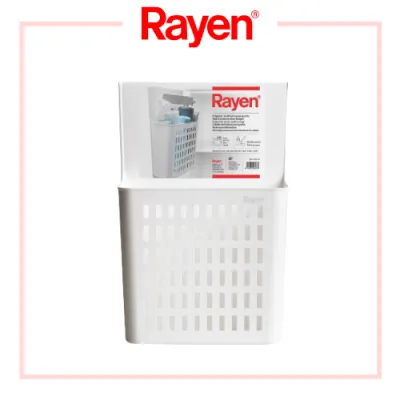
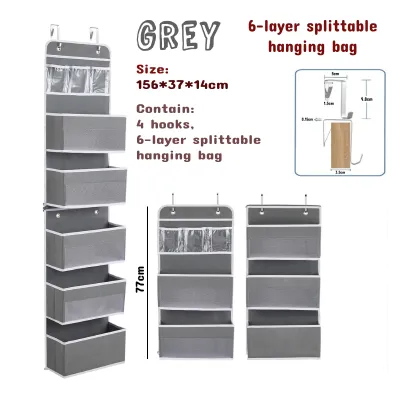
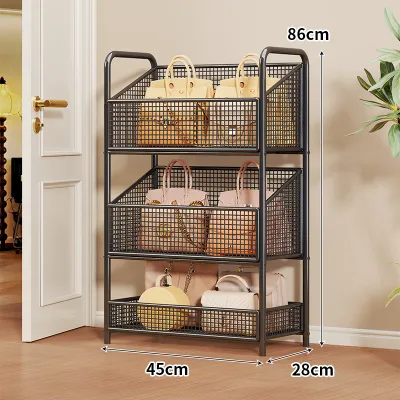
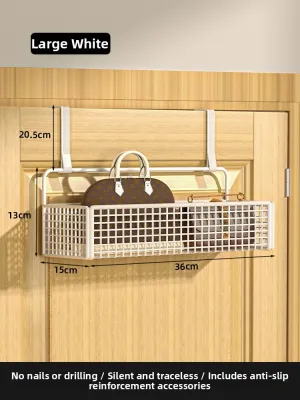
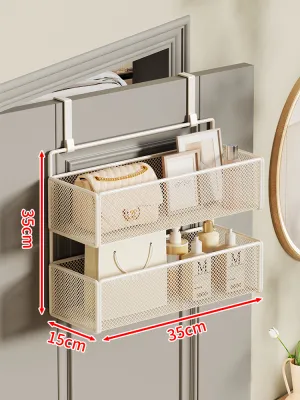
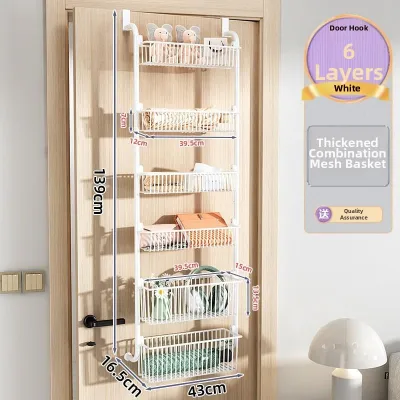
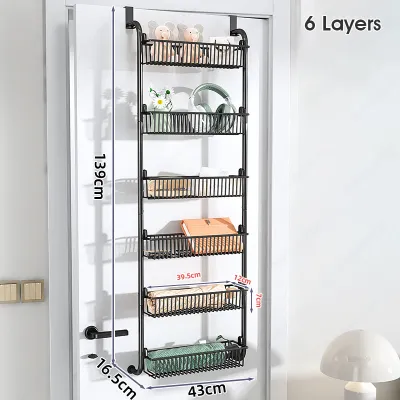
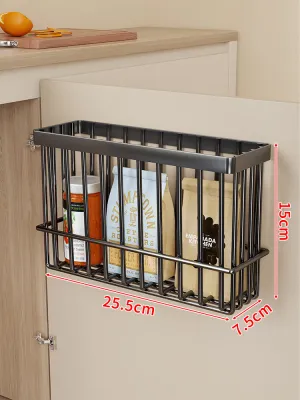
Prices are valid at publication and may change. Please refer to the product page for the latest price.
Another indicator of a high-quality brand is the availability of replacement parts or modular accessories. Over time, protective foam pads can wear down, or you might require additional hooks to accommodate growing storage needs. Brands that sell or provide extra mounting brackets, adhesive felt pads, or interchangeable hooks show a commitment to product longevity. This modularity prevents you from having to discard the entire organizer if a single small component degrades or goes missing.
Analyzing customer review patterns across different retail platforms is also crucial for identifying long-term durability. Instead of focusing on immediate, five-star ratings that only praise the initial appearance, look for reviews written after several months of use. Pay close attention to feedback regarding structural integrity under load, paint chipping, or brackets bending. If multiple reviews highlight that the frame sags when holding heavy bags or that the metal rusts quickly, it is a clear sign to avoid that brand.
Finally, reliable brands always provide comprehensive, easily accessible manufacturer specifications. They do not hide behind vague descriptions but instead publish exact measurements for bracket depth, hook spacing, and maximum load limits. They also explicitly state the materials used and any protective surface treatments applied. Access to this detailed information allows you to verify compatibility and performance before spending your money.
Essential Door Compatibility and Space Checks
Before purchasing any over-the-door organizer, you must perform precise physical measurements of your door and the surrounding frame. The most critical measurement is the door thickness, which typically ranges from 35mm to 45mm for standard interior doors in Singapore. The mounting bracket of the organizer must match this thickness closely. If the bracket is too narrow, it will not slide over the door; if it is too wide, the organizer will rattle, tilt forward, and scrape against the door face every time you open or close it.

Equally important is the top clearance gap between the top edge of the door and the upper door frame. To allow the door to close smoothly with the brackets in place, you generally need a clearance gap of at least 1.5mm to 2mm. A practical way to test this is to place a coin, such as a local one-dollar coin, on top of the door and attempt to close it. If the door closes without resistance or scraping, there is sufficient clearance for standard metal brackets.
Certain door types are entirely unsuitable for over-the-door organizers and should be avoided to prevent damage or safety hazards. Glass-paneled doors should never host these organizers, as the concentrated pressure and movement can crack or shatter the glass. Sliding doors are also incompatible because the brackets will obstruct the sliding mechanism. Additionally, heavy fire-rated doors, often found at the main entrance of HDB flats and condominiums, have strict acoustic or smoke seals that can be permanently damaged by thick metal brackets, compromising their safety certification.
Lastly, you must calculate the door’s swing radius and verify that a fully loaded organizer will not cause obstructions. Consider the bulk of the items you plan to hang, such as thick winter coats, backpacks, or large umbrellas. Ensure that when the door is opened completely, these items will not strike adjacent walls, knock into nearby furniture, or block access to light switches. Leaving a small buffer zone prevents annoying collisions and protects both your walls and your stored belongings.
Assessing Materials, Build Quality, and Weight Limits
Singapore’s tropical climate, characterized by high relative humidity year-round, demands careful attention to the materials and surface finishes of your organizer. Untreated iron or low-grade steel will quickly succumb to rust, leading to unsightly stains on your door and clothes. Look for brands that use high-quality materials such as powder-coated steel, anodized aluminum, or grade 304 stainless steel. Powder coating provides a thick, protective barrier that resists moisture and scratches, making it highly suitable for local bathrooms and bedrooms.
Weight capacity is another critical factor that dictates the safety and utility of the organizer. Always check the manufacturer’s stated maximum weight limit, which typically ranges from 10kg to 25kg depending on the design. It is vital to plan for even weight distribution across all available hooks. Concentrating heavy items, like leather bags or wet towels, on a single hook can warp the bracket, bend the frame, or even cause the door itself to sag on its hinges over time.
Inspect the connection points and weld quality of the organizer before finalizing your choice. High-quality brands feature seamless, clean welds where the hooks meet the main frame, or they use robust, flush-mounted screws. Avoid organizers with thin, loose rivets or visible gaps at the joints, as these are common failure points under load. The hooks themselves should have rounded or flared tips to prevent fabric stretching, tearing, or leaving permanent indentations on delicate garments.
Additionally, look for organizers that feature built-in protective padding on the back of the frame and inside the mounting brackets. This padding, usually made of EVA foam, soft rubber, or dense felt, serves two essential purposes. It acts as a cushion that prevents the metal brackets from scratching the door’s paint or wood veneer, and it dampens vibrations, eliminating the annoying clattering sound whenever the door is operated.
Sourcing and Verifying Brands in Singapore
When sourcing over-the-door organizers in Singapore, choosing the right retail channel is key to ensuring product authenticity and reliable customer service. Purchasing directly from official brand websites or authorized local home furnishing retailers is the most secure option. These channels guarantee that you receive genuine products and make it much easier to claim warranties or request exchanges if you encounter any manufacturing defects.
If you prefer shopping on established e-commerce platforms, you must exercise extra caution to avoid counterfeit or substandard listings. Look for official brand stores or sellers with high ratings and positive feedback. Carefully read the verified purchase reviews, paying close attention to photos uploaded by local buyers. These real-life images often reveal the true color, finish quality, and bracket thickness of the organizer, which may differ from polished promotional graphics.
Be sure to check the shipping and return conditions before placing your order. Some online listings ship from overseas warehouses, which can result in long delivery times and complicated, expensive return processes if the item arrives damaged or does not fit. Prioritize sellers that offer local shipping and clear, local return addresses. This ensures that any issues can be resolved quickly without the hassle of international shipping fees.
Finally, verify that the retailer provides clear, accessible contact channels for post-purchase support within Singapore. A reliable seller should be responsive to inquiries regarding installation, replacement parts, or warranty claims. Having access to responsive customer service gives you peace of mind, knowing that you can easily get assistance if you encounter any issues with your over-the-door organizer down the road.
Frequently Asked Questions (FAQ)
Will an over-the-door organizer damage my door's paint or finish?
An over-the-door organizer can damage your door’s paint or finish if it lacks proper protective padding or if it fits too loosely, causing it to slide and rub against the surface. To prevent this, always choose an organizer that features built-in foam, rubber, or felt padding on all contact points, especially inside the mounting brackets and behind the main frame. If your chosen model does not have sufficient padding, you can easily apply aftermarket adhesive felt pads or silicone bumpers to the contact areas before hanging it. Additionally, make it a habit to remove the organizer every few months to clean the top of the door and the bracket underside, as trapped dust and moisture can act as an abrasive and degrade the door’s finish over time.
How do I clean and maintain a metal over-the-door coat rack?
Maintaining a metal over-the-door coat rack in Singapore’s humid climate requires simple, regular care to prevent rust and maintain structural stability. Wipe down the metal frame and hooks once a month using a soft, damp microfiber cloth and a mild, non-abrasive dish soap to remove accumulated dust, skin oils, and grime. Avoid using harsh chemical cleaners, bleach, or steel wool, as these can scratch or strip away the protective powder coating or anodized finish. Immediately after wiping, dry all metal parts and joints thoroughly with a clean towel to ensure no moisture remains trapped in the crevices. Finally, periodically check any adjustable brackets, screws, or locking mechanisms to ensure they remain tight and secure, preventing the rack from wobbling or shifting during daily use.
Community discussion
Share your experience or ask a question. Comments are reviewed before publication.