
A sticky, stubborn, or screeching roller base can quickly turn a productive workday or a functional home office into an exercise in frustration. Before you relegate your office chair or mobile cabinet to the scrap heap, it is essential to determine whether the issue stems from simple, accumulated debris or irreversible structural damage. In many cases, a minor maintenance routine can restore smooth, silent movement. However, ignoring clear signs of wear can lead to ruined flooring or sudden structural collapse.
Diagnosing the state of your furniture’s roller base requires looking beyond the surface. Singapore’s humid climate can accelerate the rust and degradation of low-grade metal bearings, while local flooring types—such as luxury vinyl tiles, parquet, and homogeneous tiles—are highly sensitive to dragging, damaged wheels. By systematically evaluating your furniture’s mobility, you can decide whether a quick cleaning session will suffice or if a complete replacement is necessary to protect your home and your safety.
Quick Diagnostic Checklist: Repair vs. Replace
To help you quickly determine the best course of action for your furniture, use this condition-based checklist. Mapping your specific symptoms to either a simple repair or an immediate replacement will save you time, effort, and unnecessary expense.
Products mentioned in this guide
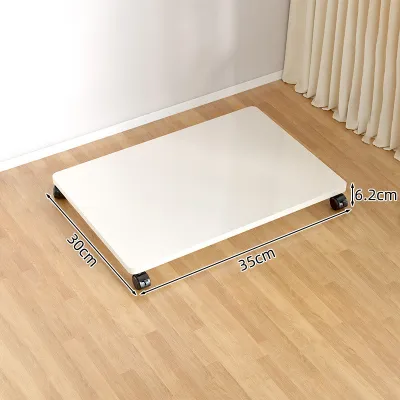
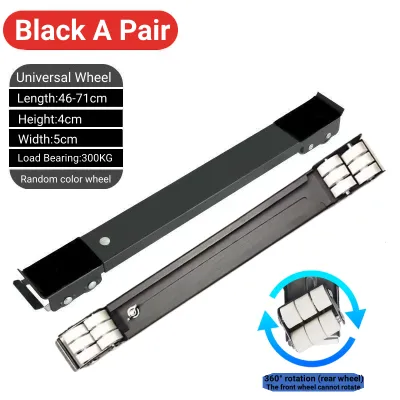
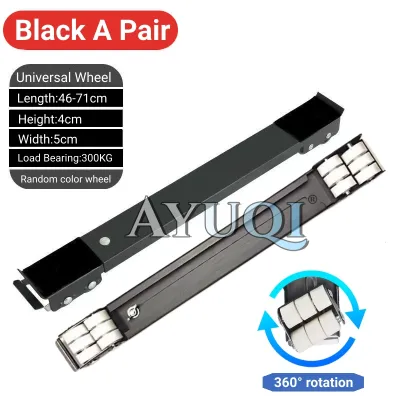
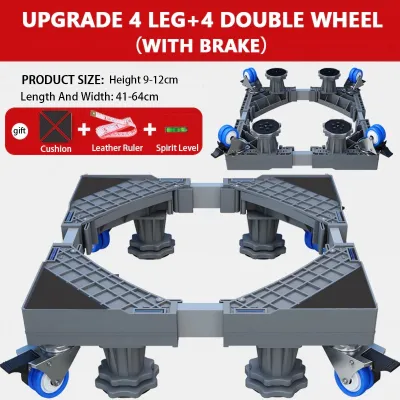

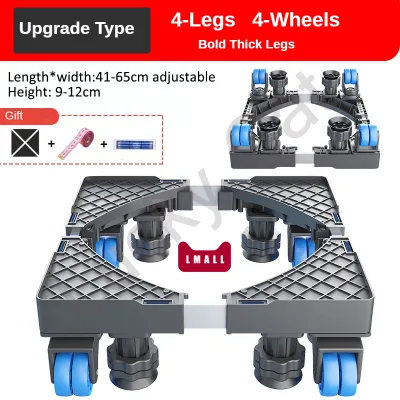
![[SG] Washing Machine Metal Fridge Dryer Universal Stand Base with 4 Locking 360° Adjustable Heavy Duty Wheels Load 300kg](https://img.lazcdn.com/g/p/cd63518a6735cb8379428453f9804936.jpg_400x400q80.jpg_.webp)
Prices are valid at publication and may change. Please refer to the product page for the latest price.
When to Try Repair and Cleaning First
- Debris buildup: The wheels are wrapped in hair, dust bunnies, or loose threads, preventing them from spinning freely.
- Minor squeaking: The swiveling mechanism or axle makes a high-pitched noise but still moves without catching.
- Slight resistance: The furniture requires a bit more effort to push, but the wheels are not physically deformed.
- Loose fasteners: The mounting plate or stem feels slightly loose but has not stripped the socket.
When to Replace the Roller Base or Casters Immediately
- Structural cracks: You observe hairline fractures or deep splits in a plastic star base or metal support legs.
- Bent metal forks: The metal housing holding the wheel axle is warped, crooked, or touching the floor.
- Stripped sockets: A wheel stem repeatedly falls out because the receiving socket in the base is cracked or stripped.
- Disintegrated treads: The outer polyurethane or rubber coating on the wheels is peeling, cracked, or flat-spotted.
Observe the Symptoms: What Your Roller Base Is Telling You
Conducting a systematic physical inspection of your office chair or cabinet base is the most reliable way to identify the root cause of poor performance. Begin by clearing a space on a flat surface and carefully flipping the furniture over to inspect the components under clear lighting.

Movement and Rolling Issues
When you push your chair, pay close attention to how the wheels respond. If one or more wheels drag across the floor rather than spinning, the axle is likely locked by debris or suffering from internal bearing failure. A roller base that refuses to swivel smoothly when you change directions indicates that the vertical stem bearings are dry, rusted, or clogged. Uneven rolling, where the furniture seems to hop or tilt slightly as it moves, suggests that a wheel has developed a flat spot from holding a heavy static load for too long.
Noise and Vibration
Healthy roller bases operate in near-silence. A grinding or crunching sound is a primary indicator that dirt, grit, or sand has penetrated the internal ball bearings, acting like sandpaper on the metal races. High-pitched squeaking typically points to dry metal-on-metal friction, which can often be remedied with targeted lubrication. If you experience a clicking or rattling vibration as you roll, the axle pin may be bent, or individual ball bearings may have escaped their housing, causing the wheel to wobble on its track.
Stability and Alignment
Sit in your chair or load your cabinet and observe if the unit leans significantly to one side. A persistent tilt often indicates that one of the legs of the star base has warped or that the central cylinder socket has begun to sink through the base. If the central stem feels loose or rocks back and forth within the roller base, the structural integrity of the connection point is compromised. This instability is not just an inconvenience; it alters your posture and unevenly distributes weight, accelerating the wear on the remaining functional wheels.
Try These Minor Fixes Before Buying a Replacement
Many roller base issues are entirely reversible. Before purchasing replacement parts, performing a few low-risk maintenance steps can often restore your furniture to its original, smooth-rolling condition.
Step 1: Debris Removal
To safely clean the wheels, flip the furniture onto a protective mat, clean towel, or large piece of cardboard to avoid scratching the frame or your floors. Use a pair of long-nose pliers, tweezers, or a sewing seam ripper to carefully cut and pull away tangled hair, carpet fibers, and dental floss wrapped around the wheel axles. For stubborn dirt, a stiff-bristled brush can help dislodge packed dust from the wheel housing. Avoid using sharp utility knives directly against plastic wheels, as deep nicks can create permanent flat spots.
Step 2: Tightening and Securing
Over time, the vibrations caused by rolling over tile grout lines or floor joints can loosen the fasteners holding your roller base together. Check the connection points where the casters meet the base. If your furniture uses plate-mounted casters, use a screwdriver or wrench to tighten every mounting screw securely. For grip-neck or threaded-stem casters, ensure they are pressed or screwed completely into their sockets. If a stem is loose, removing it and wrapping the thread with a small amount of thread-locking compound can prevent it from backing out again.
Step 3: Safe Lubrication
Once the rolling mechanism is free of debris, applying the correct lubricant can eliminate squeaks and restore fluid swiveling. Use a high-quality silicone-based spray or a dry PTFE lubricant, directing the nozzle precisely into the swivel bearings and the wheel axle. Avoid using heavy automotive greases or standard WD-40; these products leave a sticky residue that acts as a magnet for hair, dust, and pet fur, which will quickly clog the mechanism again. Wipe away any excess lubricant with a clean cloth, and keep the furniture on cardboard for an hour to ensure no stray drips reach your flooring.
Always consult your furniture manufacturer’s care instructions before applying chemical cleaners or lubricants, as some materials can degrade when exposed to specific solvents.
Undeniable Signs It Is Time to Replace the Roller Base
There comes a point where maintenance can no longer salvage a worn-out component. Recognizing when a roller base is beyond repair is crucial for preventing sudden structural failures that could damage your property or cause personal injury.
Wheel Degradation
Modern furniture wheels are often coated in a soft layer of polyurethane or synthetic rubber to protect hard floors. If this outer tread has started to crack, peel away in chunks, or separate entirely from the hard plastic inner core, the wheel must be replaced. Treads that have flattened due to prolonged static pressure will permanently resist rolling, forcing you to drag the furniture and leaving unsightly scuff marks on your flooring.
Bearing and Axle Failure
If a wheel wobbles side-to-side when you wiggle it by hand, the internal ball bearings have either worn down or fallen out of their retaining track. Once a bearing assembly is destroyed, no amount of cleaning or lubrication will restore its function. A completely seized wheel that refuses to turn even after you have thoroughly cleared all visible debris indicates that the internal axle has warped or rusted solid, necessitating a replacement.
Structural Base Damage
Structural damage to the main body of the roller base is a critical safety hazard. Inspect the plastic or nylon star base of your office chair for hairline cracks, especially around the central hub and the caster sockets. On metal bases, look for bent legs or cracked weld points. If the central socket hole has stretched or stripped, the gas cylinder or main support post will slide too far down, scraping your floor. Continuing to use a structurally compromised base can lead to a sudden collapse under load.
If you discover any structural cracks or bent load-bearing components, stop using the furniture immediately. Refer to the manufacturer’s warranty or instruction manual to identify the approved replacement parts, and do not attempt to patch structural components with adhesives or tape.
What to Check Before Ordering a Replacement Base
When you confirm that a replacement is necessary, purchasing the correct specifications is vital. Generic replacement parts are widely available on local ecommerce platforms, but a mismatch of even a single millimeter can render a new roller base completely unusable.
Mounting Type and Dimensions
Before ordering, you must measure your existing hardware precisely. For office chairs, the most critical dimension is the caster stem. Pull one caster out of the base and use a caliper or a precise ruler to measure the stem’s diameter and length. The most common standard size is an 11mm diameter by 22mm length grip stem, but some brands use a 10mm stem. For cabinets or storage units with plate mounts, measure the distance between the screw holes from center to center to ensure the new plate aligns with the existing pre-drilled holes.
Wheel Material for Your Floor Type
Choosing the right wheel material is essential for protecting your home’s flooring. For hard surfaces common in local residences, such as engineered wood, parquet, vinyl, or polished tile, select casters with soft polyurethane or rubberized outer treads. These materials grip the floor quietly and distribute weight without scratching. If your space is carpeted, harder nylon wheels are preferred, as they glide through carpet fibers without snagging, though they should not be used directly on unprotected hardwood.
Weight Capacity and Safety Ratings
Always check the manufacturer’s load capacity rating for both the replacement base and the individual casters. Calculate the combined weight of the furniture piece itself plus the maximum load it will carry, including the user’s weight for office chairs. A standard replacement base should carry a certified weight rating that comfortably exceeds this total. Opting for reinforced metal or heavy-duty nylon bases provides a higher margin of safety and longevity, especially in high-use environments.
Frequently Asked Questions (FAQ)
Can I replace just the wheels instead of the entire base?
Yes. If the central star base or metal frame of your furniture is structurally sound, free of cracks, and sits perfectly level, you do not need to replace the entire assembly. You can simply purchase a compatible set of replacement wheels (casters). Ensure that the stem type and dimensions of the new casters match your existing base sockets exactly to guarantee a secure, wobble-free fit.
How often should I clean my office chair casters?
For optimal performance, perform a quick visual inspection of your casters every three months to pull out any easily accessible hair or debris. A thorough cleaning—which involves removing the wheels, clearing deep-seated dirt from the axles, and applying a dry lubricant—should be done every six months. If you have pets or work in a dusty environment, increasing this maintenance frequency will significantly extend the lifespan of your roller base.
Community discussion
Share your experience or ask a question. Comments are reviewed before publication.