
Finding the perfect barstool for your home is a balancing act between aesthetic harmony and physical proportions. As open-plan living spaces become more common, these seating options often bridge the gap between your kitchen and living areas, making their design impact highly visible. By evaluating your current interior theme, measuring your counter dimensions, and selecting materials that suit your daily routine, you can find a seating option that feels like an organic extension of your home.
Assess Your Existing Home Decor and Theme
Before browsing through endless product listings, take a step back and analyze the dominant design theme of your kitchen or dining area. If your space features clean lines, light wood tones, and a focus on functionality, a Scandinavian-style stool with tapered wooden legs and a simple molded seat will blend in seamlessly. For homes with exposed brick, concrete finishes, or dark metal accents, industrial stools featuring raw steel frames and distressed wood seats offer an authentic complement.
If your home leans toward modern minimalism, look for stools with sleek, monochromatic profiles, slim metal legs, and geometric silhouettes that do not clutter the room visually. Mid-century modern spaces, on the other hand, benefit from stools with curved plywood shells, tapered legs with brass caps, and organic shapes that evoke a retro yet sophisticated feel.
Products mentioned in this guide
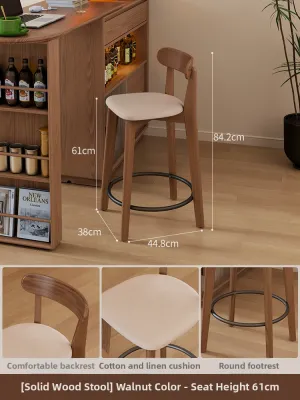
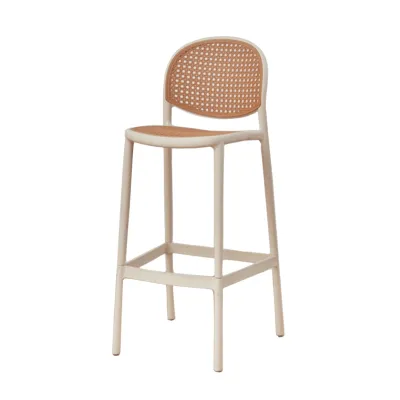
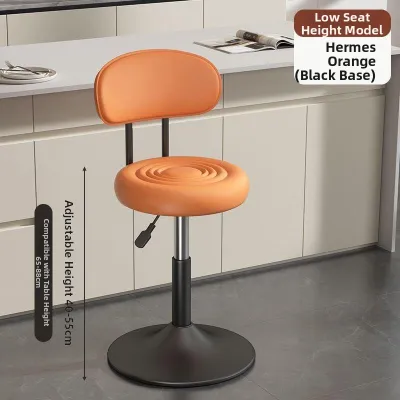
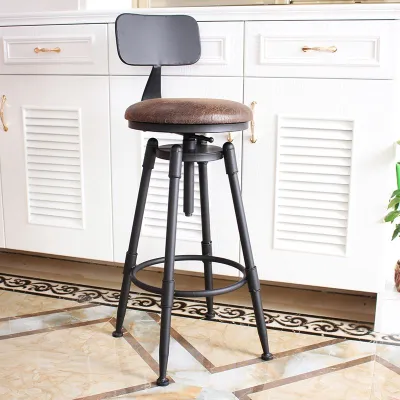
![[Bulky] [SG Seller] Outdoor Bar furniture | Arena Living | Bar Chair | Outdoor | Garden | Patio | Living Room | Singapore | Water-Resistant | Ultra Durable | Luxury | Aluminium Inner Frame](https://img.lazcdn.com/g/p/d1ca27f7e539feb535c7a62573a1e921.jpg_400x400q80.jpg_.webp)
Prices are valid at publication and may change. Please refer to the product page for the latest price.
Your existing color palette should dictate whether your new seating blends into the background or serves as a bold focal point. Choosing stools in a shade that closely matches your kitchen island cabinetry creates a cohesive, streamlined look that can make a compact kitchen feel more spacious. Alternatively, introducing a contrasting color—such as vibrant upholstered seats against a neutral island—adds visual interest and defines the dining zone.
Do not forget to take cues from the smaller hardware finishes and architectural details already present in your room. Matching the metal legs or accents of your barstool to your cabinet handles, light fixtures, or kitchen faucet helps tie the entire space together. If your kitchen features warm brass hardware, look for stools with matching brass footrests or frame details to establish a sense of deliberate design.
Evaluate Your Space Layout and Functional Needs
A beautiful barstool is only successful if it fits your physical space and accommodates your daily habits. The first and most critical step is measuring the height of your counter or bar. To ensure comfortable seating, you need to measure from the floor to the underside of the counter surface. A proper fit generally requires a gap of 25cm to 30cm between the top of the stool seat and the bottom of the counter, allowing ample room for your legs.

In addition to vertical clearance, you must calculate the horizontal spacing to determine how many stools your counter can comfortably accommodate. To prevent a cramped seating arrangement, allow about 15cm of space between each stool, and increase this to 20cm if your chosen stools have wide bases or armrests. This spacing ensures that family members and guests can turn, stand up, and sit down without bumping elbows.
For compact apartments or open-plan layouts, traffic flow and visual weight are vital considerations. Ensure there is at least 60cm to 75cm of clearance behind the stools when they are tucked in, allowing people to walk past comfortably. If space is exceptionally tight, backless stools are an excellent choice because they can slide completely underneath the counter when not in use, keeping your walkways clear.
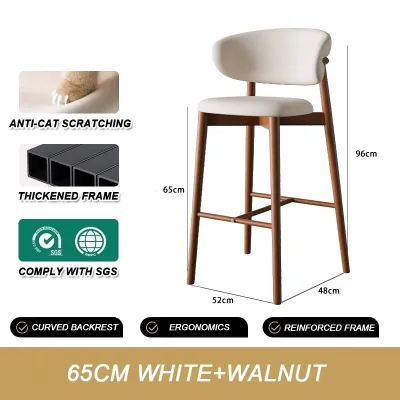
Your choice of backrest style should align with how you plan to use the seating. If your kitchen island serves as a primary dining area, a work-from-home station, or a spot for long conversations, a full-back design with a supportive footrest offers the comfort needed for extended sitting. If the stools are mainly for quick breakfasts or casual coffee breaks, low-back or backless designs will suffice while maintaining an open, airy feel in the room.
Match Barstool Materials and Finishes to Your Room
The materials you select play a dual role in defining the stool’s aesthetic and determining its long-term durability. Wooden frames bring natural warmth and organic texture, making them highly compatible with classic, rustic, or Scandinavian interiors. When choosing wood, try to coordinate the stain with your existing flooring or cabinetry, or opt for a painted finish that matches your wall trim to maintain visual harmony.
Metal frames offer exceptional structural stability and a slim profile, making them ideal for modern, industrial, or minimalist spaces. If you want to maximize the illusion of space in a small kitchen, clear acrylic stools are an innovative option that allows light to pass through, making the seating almost invisible.
Upholstery adds a layer of luxury and comfort, but the fabric must suit your household’s lifestyle and local climate conditions. In warm, humid environments, breathable fabrics or high-quality synthetic leathers that are easy to wipe down are often more practical than heavy, delicate textiles. If you enjoy entertaining or have a busy household, look for performance fabrics that resist spills and stains.
Always review the manufacturer’s care instructions and surface treatments before making your purchase. For high-use areas, choosing materials with durable finishes—such as powder-coated metal frames or scratch-resistant seat shells—ensures your stools continue to look pristine over years of daily use. If you have young children or pets, prioritizing non-porous, easily washable surfaces like molded plastic or treated wood will simplify your cleaning routine.
Create Your Personal Style Shortlist
With your measurements, material preferences, and design theme in mind, you can now synthesize this information into a focused shopping shortlist. Begin by separating your absolute must-have structural features from your nice-to-have aesthetic details. For instance, if you have family members of varying heights, an adjustable gas-lift mechanism might be a non-negotiable requirement, whereas a specific cushion color remains a flexible preference.
Setting a realistic budget helps streamline your search and ensures you focus on viable options. In the local market, quality barstools typically range from S$80 for basic, functional designs to S$300 or more for premium, upholstered models. Prioritize spending on structural durability and frame stability, especially if the stools will experience heavy daily use.
Before placing an order, establish a final checklist to verify the practical details of your chosen model:
- Exact Dimensions: Confirm the total height, seat height, width, and depth to ensure a perfect fit under your counter.
- Assembly Requirements: Check whether the stools arrive fully assembled or require manual setup, and ensure you have the necessary tools.
- Access and Delivery: Verify that the packaged items can easily fit through your doorway, corridors, and lift access.
- Return Policy and Warranty: Review the retailer's terms to ensure you can return or exchange the stools if they do not suit your space in person.
Frequently Asked Questions (FAQ)
How do I know if I need counter-height or bar-height stools?
Standard kitchen counters are typically around 90cm high, which requires counter-height stools with a seat height of 60cm to 65cm. Elevated bar counters or high kitchen islands usually stand at about 100cm to 105cm high, demanding bar-height stools with a seat height of 75cm to 80cm. To make sure you choose the correct size, always measure from the floor to the underside of your specific counter surface before shopping.
Can I mix and match different barstool styles in the same kitchen?
Yes, mixing different barstool styles can add character and a curated feel to your kitchen, provided you maintain a unifying element. You can successfully combine different designs by ensuring they share a common feature, such as matching metal leg finishes, identical seat heights, or a consistent color palette. Keeping the overall visual weight and scale of the stools similar will prevent the arrangement from looking cluttered or disorganized.
Community discussion
Share your experience or ask a question. Comments are reviewed before publication.