
Selecting the right bed mattress firmness is one of the most critical decisions you will make for your long-term health and daily energy levels. Because comfort is inherently subjective, relying solely on a manufacturer’s label of “medium” or “firm” can lead to poor sleep quality and physical discomfort. The ideal firmness for any individual is determined by a systematic intersection of sleeping posture, body mass, and personal physical requirements.
To standardize these differences, the bedding industry utilizes a mattress firmness scale ranging from 1 to 10. On this scale, a rating of 1 represents an ultra-plush surface with almost no resistance, while a 10 represents an extra-firm surface comparable to sleeping on a carpeted floor. Most mattresses sold in Singapore fall between a 3 (soft) and an 8 (firm). The ultimate objective of navigating this scale is to achieve neutral spinal alignment and targeted pressure relief, ensuring your muscles can fully relax overnight.
Assess Your Sleeping Position for Spinal Alignment
Maintaining neutral spinal alignment means your spine should mimic the natural, gentle curves of a healthy standing posture when you lie down. If a mattress is too soft, your heaviest parts will sink too deeply, bowing your spine. If it is too firm, the mattress will push against your joints, leaving gaps under your lower back or waist and forcing your muscles to work overtime to support your skeletal frame.
Products mentioned in this guide
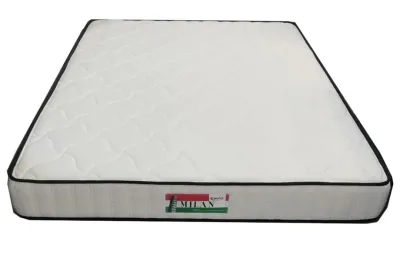
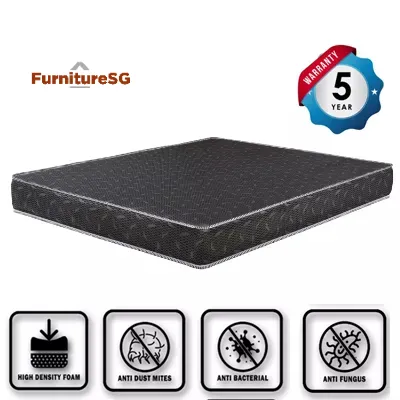
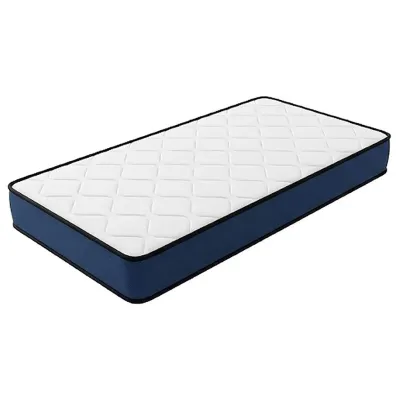
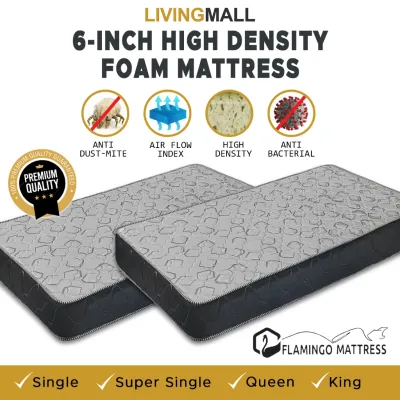
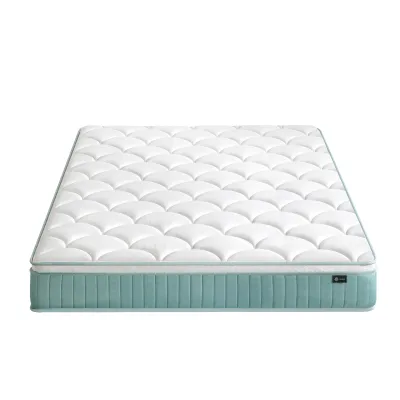
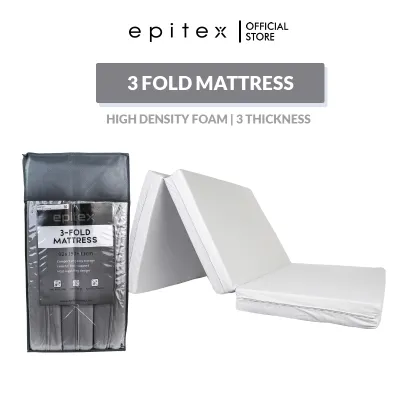

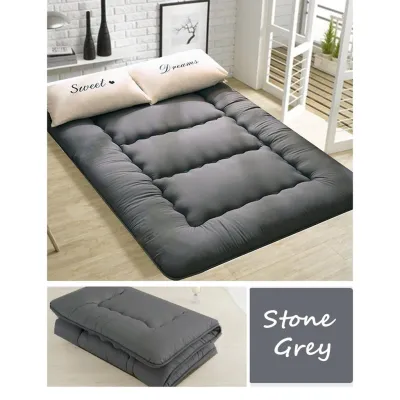
Prices are valid at publication and may change. Please refer to the product page for the latest price.
Your primary sleeping position determines which parts of your body press hardest into the mattress and where you require the most support. By identifying your dominant posture, you can establish a baseline firmness range before factoring in other physical variables.
Side Sleepers: Prioritizing Pressure Relief
Side sleeping is highly common, but it places concentrated pressure on narrow areas of the body, specifically the shoulders and the hips. If you sleep on your side, you require a mattress that allows these prominent joint areas to sink sufficiently into the comfort layers. This deep contouring keeps the spine in a straight, horizontal line from the neck down to the pelvis.
For side sleepers, a soft to medium-soft mattress (typically a 3 to 5 on the firmness scale) is generally recommended. An overly firm surface will fail to cushion the shoulders and hips, leading to restricted blood circulation, morning numbness, and frequent tossing and turning. However, ensure the mattress still features a supportive base layer to prevent the midsection from sagging too deep.
Back Sleepers: Balancing Support and Contouring
Back sleepers require an even distribution of body weight across the mattress surface to maintain the natural “S” curve of the spine. The primary challenge for back sleepers is supporting the lumbar region without allowing the pelvis to sink too far, which tilts the pelvis backward and strains the lower back.
A medium to medium-firm mattress (rated 5 to 7 on the scale) offers the ideal balance for back sleepers. The top comfort layers provide enough contouring to fill the gap beneath the lower back, while the sturdier transition and support layers underneath keep the hips elevated. This prevents the hammock effect that often causes lower back stiffness in the morning.
Stomach Sleepers: Preventing Spinal Bowing
Stomach sleeping is the most demanding position for spinal alignment because gravity naturally pulls the heavy midsection down into the bed. If the mattress does not offer sufficient resistance, the pelvis sinks below the shoulders and knees, creating an exaggerated arch in the lower spine that leads to chronic back pain.
To prevent this spinal bowing, stomach sleepers require a firm to extra-firm mattress (rated 7 to 9 on the scale). A firm surface keeps the hips and abdomen elevated on the same plane as the shoulders. If you prefer sleeping on your stomach, look for mattresses with minimal comfort padding on top and a highly stable, rigid support core.
Combination Sleepers: Needing Responsive Adaptability
If you frequently shift positions throughout the night, you are a combination sleeper. Your primary challenge is finding a mattress that supports your body regardless of whether you are on your side, back, or stomach, while also facilitating easy movement so you do not feel “stuck” in the comfort layers.
Combination sleepers generally benefit from a medium-firm mattress (rated 5 to 7) that incorporates highly responsive materials. Natural latex or pocketed innersprings are excellent choices, as they quickly adjust to your movements and provide immediate support as you transition between positions, reducing the effort required to turn over.
Factor in Your Body Weight to Gauge True Support
Your body weight directly influences how much force you exert on a mattress, which in turn alters how firm or soft that mattress feels to you. A mattress rated as a “medium” (5 out of 10) may feel like a plush cloud to a heavier individual, while a lighter individual might find that same mattress feels as rigid as a board. To find your true comfort level, you must adjust your position-based baseline according to your body mass.

Rather than relying on rigid weight categories, consider how your body mass interacts with the comfort and support layers of the mattress. Always consult the manufacturer’s specific weight guidelines and structural specifications to ensure the mattress is designed to support your profile over its intended lifespan.
Lighter Body Types: Seeking Softer Contouring
Lighter individuals exert less downward force on a mattress. Because of this, they do not compress the comfort layers deeply enough to reach the supportive core or experience the intended pressure relief of a standard mattress.
If you have a lighter body mass, you will generally need to choose a mattress that is slightly softer than the standard recommendation for your sleeping position. For example, a back sleeper who is lighter may find a medium-soft mattress (4 to 5 on the scale) provides better contouring and comfort than a traditional medium-firm model, as it allows for easier compression of the top foam layers.
Average Body Types: The Medium-Firm Sweet Spot
Most standard mattresses on the market are designed and calibrated around the physical profile of average body types. If you fall into this category, your body weight will compress the mattress in a highly predictable manner, allowing you to follow standard sleeping position guidelines without major adjustments.
For average body types, a medium to medium-firm mattress (5 to 7 on the scale) typically provides the optimal blend of pressure relief and deep structural support. You can focus your decision-making primarily on your preferred sleeping position and secondary comfort preferences, such as material breathability and motion isolation.
Heavier Body Types: Requiring Enhanced Support
Heavier individuals compress mattress layers much more deeply. This deeper compression can cause them to sink straight through thin comfort layers and bottom out against the rigid support core, leading to pressure points and rapid spinal misalignment.
If you have a heavier body mass, you require a firmer surface and a robust, reinforced support core to maintain proper alignment. Look for mattresses featuring high-density foams or thick, heavy-gauge pocketed coils that resist deep sinkage. Choosing a mattress with a thicker profile and reinforced edge support will also prevent the edges from sloping, extending the overall durability of the bed mattress. Always check the manufacturer’s maximum weight capacity to verify structural suitability.
Adjust for Specific Health Needs and Partner Dynamics
While sleeping position and body weight form the foundation of your search, personal health considerations and lifestyle dynamics often require you to fine-tune your final firmness choice.
- Joint and Back Pain: If you suffer from chronic lower back pain, historical clinical studies generally suggest that a medium-firm mattress provides the best balance of spinal support and pressure relief. However, pain is highly individualized. If you have specific medical conditions such as herniated discs, arthritis, or scoliosis, always consult a qualified healthcare professional or physical therapist for personalized guidance before purchasing.
- Couples with Different Preferences: Sharing a bed can be challenging if partners have drastically different sleeping positions or body weights. To resolve this, consider a dual-firmness or split-tension mattress, which features different firmness levels on the left and right sides. Alternatively, utilizing a high-quality mattress topper on one side of a firm bed can soften the surface for a lighter, side-sleeping partner without compromising the support needed by the other.
- Motion Isolation vs. Edge Support: The materials used to achieve specific firmness levels heavily impact how a mattress behaves when shared. If your partner tosses and turns, memory foam or pocketed coils provide excellent motion isolation, preventing movement from transferring across the bed. If you utilize the entire surface of the bed or struggle with getting in and out, look for mattresses with dedicated, reinforced edge support—often achieved through firmer foam borders or thicker coils around the perimeter.
How to Test and Verify Firmness Before You Buy
Because mattress firmness is highly subjective, relying solely on online descriptions is risky. Taking practical steps to test and verify the feel of a mattress in real-world conditions will protect your investment and ensure long-term sleep satisfaction.
When testing a mattress in a showroom, implement a structured protocol rather than simply sitting on the edge or lying down for a few seconds. Wear comfortable, loose-fitting clothing and spend at least 10 to 15 minutes resting on the mattress in your primary sleeping position. Bring or request a pillow that matches the height and loft of your personal pillow at home, as the wrong pillow can warp your perception of the mattress’s support and spinal alignment.
In Singapore, many mattress brands operate on a direct-to-consumer model, offering risk-free sleep trials that typically range from 100 to 120 nights. This is the most reliable way to test a mattress, as it takes your body up to three to four weeks to adjust to a new sleeping surface. Before purchasing, read the fine print of the sleep trial policy carefully. Verify if there is a mandatory break-in period before a return can be initiated, and check for hidden costs such as return transport fees (which can range from S$50 to S$100), restocking fees, or strict requirements regarding the use of a mattress protector.
Additionally, consider the physical logistics of delivering a new mattress to your home. In Singapore’s high-density housing landscape, verify the finished dimensions of the mattress against your bedroom space, door frames, and HDB or condominium lift dimensions. Many delivery services charge additional fees if the mattress cannot fit into the lift and must be carried up stairwells. Ensuring these logistical details are sorted beforehand will prevent unnecessary return or exchange complications.
Frequently Asked Questions (FAQ)
Is a firmer mattress always better for back pain?
No, an overly firm mattress can actually worsen back pain. While adequate support is essential to keep the spine from sagging, a mattress that is too rigid will not contour to the natural curves of your body, creating painful pressure points at the shoulders, hips, and lower back. A medium-firm mattress is generally considered the optimal starting point for balancing support and pressure relief, though individual body types and sleep positions will ultimately dictate the best choice.
Can a mattress topper change the firmness of my current bed?
A mattress topper is an effective, budget-friendly way to soften a mattress that feels too firm, as it adds an extra layer of plush cushioning on top. However, a topper cannot make a soft mattress significantly firmer, nor can it fix a mattress that is already sagging or structurally compromised. If the core support layers of your mattress have deteriorated, a topper will simply sink into the existing depressions, and a replacement is necessary.
Do mattresses get softer over time?
Yes, all mattresses experience a natural break-in period during the first few weeks of use, during which the comfort fibers and foam layers soften and adapt to your body shape. Over years of use, these materials will continue to gradually lose their resilience. To promote even wear, prevent deep body impressions, and maintain consistent firmness and support across the entire sleep surface, it is highly recommended to rotate your mattress 180 degrees every three to six months.
Community discussion
Share your experience or ask a question. Comments are reviewed before publication.