
Selecting the right table support leg involves balancing structural safety, physical dimensions, and daily usability. To ensure your table remains stable and safe, you must evaluate the combined weight of the tabletop and its intended contents, match the leg dimensions to your space, and verify that your installation hardware is fully compatible with your chosen materials.
Whether you are building a custom dining table, assembling a home office desk, or upgrading an existing piece of furniture, understanding how to calculate load requirements and verify structural limits will prevent sagging, wobbling, and premature wear. Taking the time to measure and plan before purchasing hardware ensures a successful assembly that fits seamlessly into your living space.
Calculating the Required Load Capacity for Your Table
To determine the load capacity your table support legs must bear, you must first estimate the dead load, which is the static weight of the tabletop itself. Tabletop materials vary significantly in density and weight. For instance, a thick slab of natural stone or solid hardwood will weigh substantially more than an engineered wood panel, hollow-core board, or glass top of the same dimensions. Always check the manufacturer’s product specifications or use a material weight calculator to establish this baseline weight before selecting your support hardware.
Products mentioned in this guide
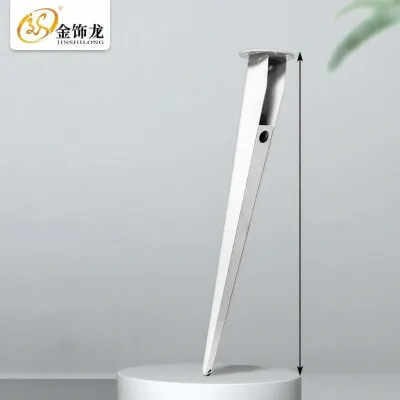
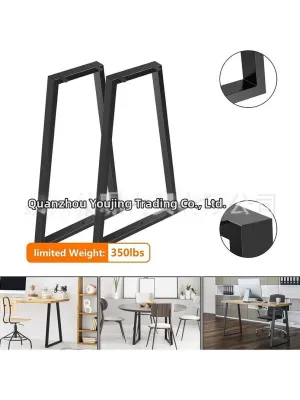
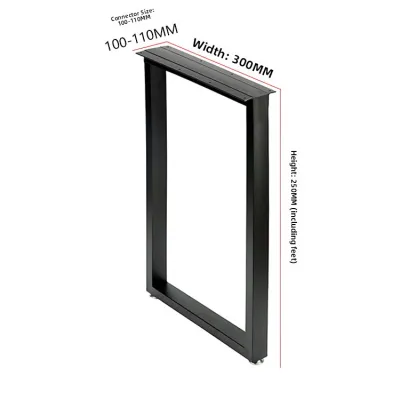
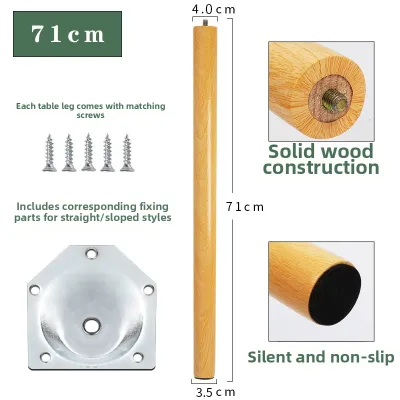
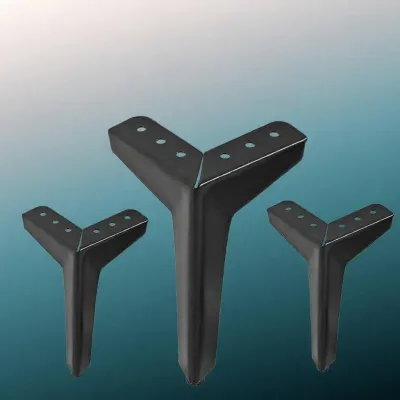
![[SG Stock]Adjustable Telescopic Table Leg Heavy Duty Furniture Support Leg Cabinet Sofa Bed Replacement Leg Height Adjus](https://img.lazcdn.com/g/p/e78187956e5e275d0c3db08ff12669b7.jpg_400x400q80.jpg_.webp)
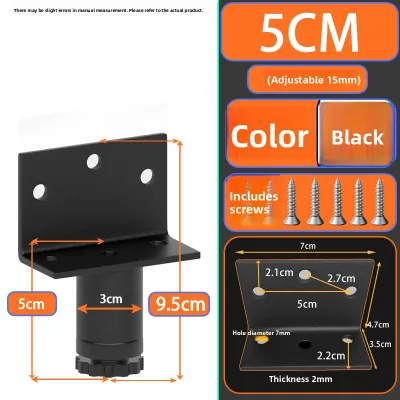
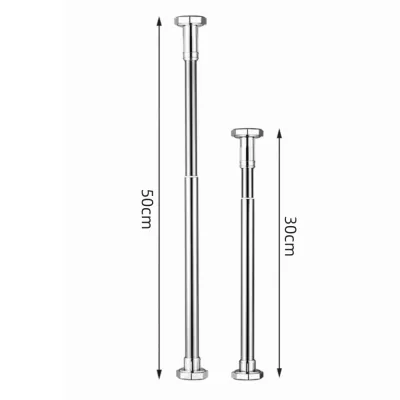
Prices are valid at publication and may change. Please refer to the product page for the latest price.
Next, you must account for the live load, which represents the dynamic and static weight placed on the table during daily use. An office desk must support computer monitors, heavy desktop towers, books, and the physical pressure of a user leaning on the surface. A dining table needs to accommodate heavy serving dishes, tableware, and the occasional weight of guests resting their arms on the edge. For specialized workbenches or kitchen islands, the expected load will be considerably higher due to heavy appliances or tools.
Rather than choosing legs that match your estimated weight exactly, always apply a conservative safety margin. Weight is rarely distributed perfectly across all legs at all times. If a user leans heavily on one corner, that specific table support leg will temporarily bear a disproportionate share of the load. Selecting legs with a combined weight rating that comfortably exceeds your estimated maximum load ensures the structure remains stable under real-world conditions.
Matching Leg Dimensions and Proportions to Your Tabletop
Choosing the correct height for your table support leg is essential for both comfort and ergonomics. Standard dining tables and writing desks typically require legs that bring the surface to a comfortable height for standard chairs. Coffee tables, side tables, and media consoles use much shorter legs to keep items within easy reach from a sofa. For kitchen counters, breakfast bars, or standing desks, taller support legs are necessary to align with high stools or standing postures. Always measure your existing seating and compare it to the leg height to ensure comfortable legroom.

Beyond height, you must assess the size of the leg’s mounting plate relative to the underside of your tabletop. The mounting plate must sit completely flat against the underside without overlapping any decorative aprons, beveled edges, or structural under-frames. If the mounting plate is too wide, it may extend past the edge of the table, creating an unsightly appearance and a potential safety hazard. Conversely, a mounting plate that is too small may not distribute the lateral forces adequately, leading to instability over time.
In high-rise apartments and homes with tight entryways, such as those commonly found in Singapore, transporting fully assembled furniture through passenger lifts and narrow corridors can be exceptionally difficult. Opting for detachable table support legs allows you to transport the tabletop and legs separately, making delivery and installation much more manageable. When planning leg placement, position the legs far enough inward to allow comfortable knee clearance for seated users, but keep them close enough to the outer edges to prevent the tabletop from bowing or tipping.
Verifying Structural Stability and Installation Limits
The overall design of your table support legs directly influences the table’s resistance to tipping and lateral movement. A classic four-leg configuration provides excellent stability and weight distribution across the entire perimeter of the tabletop. If you prefer a single pedestal or a trestle design, the base of the support must be wide and heavy enough to prevent the table from tipping when weight is applied to the outer edges. Cross-bracing or low stretchers can also be integrated to minimize lateral wobble, especially on taller bar-height tables.
Before beginning installation, verify that your mounting hardware is fully compatible with your tabletop material. The length of the screws must be shorter than the thickness of the tabletop to prevent them from puncturing or cracking the top surface, yet long enough to engage securely with the material. Hardwoods and dense engineered woods often require pre-drilling pilot holes to prevent the wood from splitting during screw insertion. For softer woods or tables that may be disassembled in the future, installing threaded metal inserts into the tabletop provides a highly secure and reusable connection.
Never force an installation if you encounter structural conflicts, such as hidden metal reinforcement bars inside the tabletop, or if the material is highly brittle, like glass or thin stone slabs. Brittle materials typically require specialized mounting plates, industrial adhesives, or custom support frames rather than standard wood screws. If you identify any missing pre-drilled holes, structural cracks, or manufacturer weight warnings, stop the installation immediately and consult the manufacturer or a qualified professional to ensure a safe assembly.
Frequently Asked Questions (FAQ)
Can I use adjustable feet to level my table on uneven floors?
Yes, adjustable leveling feet are highly effective for correcting minor floor irregularities and eliminating annoying table wobbles. These feet screw into the bottom of the table support leg, allowing you to fine-tune the height of each leg individually. However, you must check the rated load capacity of the adjustable feet, as they concentrate the entire weight of the table onto a very small surface area. For severe floor slopes or structural sinking, do not rely solely on adjustable feet; instead, use heavy-duty structural shims or address the floor leveling professionally to prevent the legs from bending.
How do I prevent a single pedestal leg from tipping?
To prevent a single pedestal table support leg from tipping, the base of the pedestal must be proportional to the overall diameter or width of the tabletop. As a general rule, a wider tabletop requires a broader and heavier pedestal base to maintain a safe, low center of gravity. Always verify the manufacturer’s specifications regarding the maximum recommended tabletop size and overhang limits for that specific pedestal model. Before placing the table into daily use, perform a physical tilt test by applying gentle downward pressure on the outer edges to ensure the base remains firmly and safely on the floor.
Community discussion
Share your experience or ask a question. Comments are reviewed before publication.