
Successfully fitting closet organizers into your HDB built-in wardrobe after you declutter requires matching the organizers to the specific internal depth and clearance constraints of your unit. Because built-in wardrobes in Singapore are custom-made by renovation contractors, they do not follow a single universal standard. The most effective approach is to measure your exact cabinet interior and select modular, moisture-resistant organizers that leave a small buffer for airflow to combat local humidity.
Taking the time to declutter wardrobe HDB setups before buying storage accessories prevents the common mistake of purchasing organizers for items you do not actually intend to keep. Once you have sorted your clothing into clear categories, you can identify exactly where your built-in wardrobe falls short—whether it lacks sufficient drawer space, has excessively deep shelves that lead to messy piles, or wastes vertical hanging space. Armed with accurate measurements and a clear inventory, you can select organizers that maximize every cubic centimeter of your closet.
Understanding Your Built-In Wardrobe Dimensions
Before browsing online marketplaces or visiting physical home stores, you must establish a reliable baseline by measuring your specific built-in wardrobe. Relying on assumed standard dimensions is highly risky because carpentry work varies based on the interior designer’s layout, wall plastering thickness, and the age of your HDB flat. A difference of just one centimeter can prevent a rigid plastic drawer or a sliding basket from fitting inside your cabinet.
Products mentioned in this guide
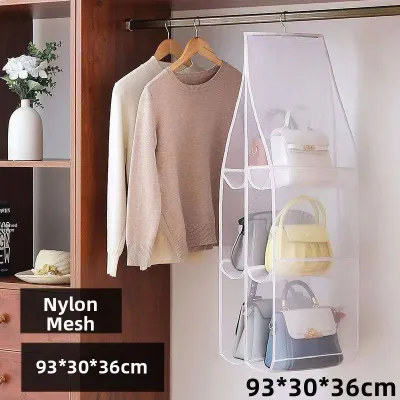
10 Lazada user ratings
looked small,hope can put my bag...happy to receive
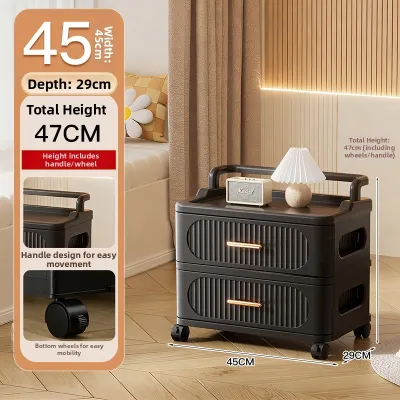
9 Lazada user ratings
I really love it and highly recommend it. The quality is excellent and exactly as described. I am very satisfied!
The quality is great and I really like it. Thanks to the seller.
Well received but long wait delivery.
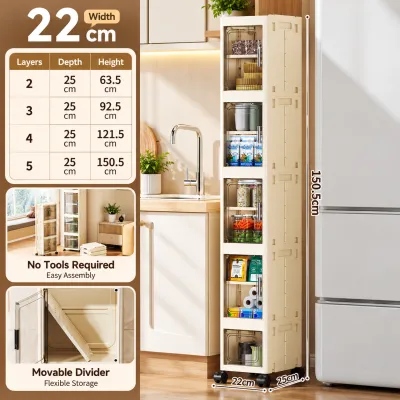
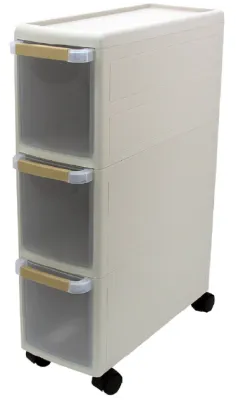
37 Lazada user ratings
seller delivered wrong product. glad that seller arrange for an exchange separately, save me the hassle of raising return refund. quality an…Read full reviewShow less
seller delivered wrong product. glad that seller arrange for an exchange separately, save me the hassle of raising return refund. quality and workmanship of drawers are good. drawers came in assembled and properly packed and boxed. however, the measurement for the 3 drawers models stated on sellers website is not correct. the actual width of the drawer cabinet is only 18cm and not 23.5cm. looks like the measurement indicated on seller's website refers to the carton that packed the drawer.
Very happy with the purchase, fast delivery, can store many things and save significant space of the room. Highly recommended. Thanks Seller…Read full reviewShow less
Very happy with the purchase, fast delivery, can store many things and save significant space of the room. Highly recommended. Thanks Seller.
Delivered in perfect condition as per photo. Like it very much. Feels sturdy and solid.
Good product Sturdy Slim with deep drawers Perfect to store variety of things
similiar to another supplier i bought from. good quality
Prices are valid at publication and may change. Please refer to the product page for the latest price.
To begin, use a metal tape measure rather than a flexible fabric tape, as fabric tapes can stretch and lead to inaccurate readings. Measure the internal width from the left inner panel to the right inner panel of each individual compartment. Next, measure the internal height of each shelf space, noting the distance between fixed shelves. Finally, measure the internal depth from the back wall of the wardrobe to the front edge of the shelf.
When measuring depth, you must account for the door mechanism. If your HDB wardrobe has sliding doors, the tracks typically eat up 5 to 10 cm of internal depth. Your usable depth is only the distance from the back wall to the rear edge of the sliding door track. For swing doors, measure from the back wall to the front edge of the cabinet frame, but remember to subtract the space occupied by the door hinges.
Internal obstructions are another critical factor that many homeowners overlook. Inspect the interior of your wardrobe for protruding door hinges, sliding door guide blocks, built-in LED lighting strips, wiring casings, or structural pillars running through the corners. Any organizer you install must sit clear of these elements. Additionally, calculate the necessary clearance for your wardrobe doors to close fully without catching on protruding hangers, bulky storage boxes, or the handles of internal organizers.
Document your measurements by drawing a simple sketch of your wardrobe layout on paper or in a mobile app. Mark the location of all fixed shelves, hanging rods, and drawers, and write down the exact width, height, and usable depth of each section. Keep this digital sketch handy whenever you shop for organizers so you can instantly verify compatibility.
Best Organizer Types for Maximizing Storage
Hanging fabric shelves and cascading hangers are excellent tools for optimizing vertical hanging space without requiring permanent installation or carpentry modifications. If your built-in wardrobe has a long hanging rod but you have more folded clothes than hanging items, a multi-tier hanging fabric shelf can instantly convert vertical space into neat compartments. Cascading hangers, which allow you to hang multiple garments vertically from a single hook point, are highly effective for reducing horizontal crowding on your closet rod.

Stackable bins and clear storage boxes are ideal for organizing deep shelves or hard-to-reach upper compartments. Deep shelves in HDB built-ins often become black holes where clothes at the back are forgotten and neglected. By using deep, pull-out plastic bins, you can access items stored at the back of the shelf simply by sliding the bin forward. Clear plastic containers allow you to see the contents at a glance, eliminating the need to rummage through multiple boxes to find a specific item.
Drawer dividers, inserts, and honeycomb organizers are perfect for sorting small items within existing built-in drawers. Built-in wardrobe drawers are often deep and wide, which quickly leads to a jumbled mess of socks, underwear, and accessories. Adjustable acrylic or bamboo dividers keep folded t-shirts or activewear in neat, vertical rows. Honeycomb inserts partition the drawer into small, individual cells, making it easy to keep delicate items organized and visible.
Over-door or side-wall racks can utilize the dead space on the inside of swing doors or empty side panels. These racks are useful for storing lightweight accessories such as belts, scarves, or small bags. However, you must check the weight limits of your wardrobe doors before installing them. HDB built-in doors are typically held by hinges screwed into engineered wood panels; overloading these doors can cause them to sag, misalign, or strip the hinge screws over time. Always ensure there is enough clearance for the door to close fully without the rack hitting internal shelves.
How to Match Organizers to Your Measured Space
When selecting organizers, it is crucial to differentiate between total internal volume and usable storage volume. If a shelf compartment measures exactly 40 cm in width, buying an organizer that is also exactly 40 cm wide is a recipe for frustration. You need to leave a small buffer of at least 1 to 2 cm on each side so you can easily slide the organizer in and out without scraping the wardrobe’s laminate finish.
Leaving adequate breathing room is also essential for fabric care and preventing mold growth. Singapore’s tropical climate and high humidity make closed wardrobes susceptible to musty odors and mildew. Packing your organizers tightly against each other and the wardrobe walls blocks air circulation. Aim to leave a 2 to 5 cm gap between your storage bins and the top or back of the shelf to promote ventilation and keep your clothes fresh.
Matching the organizer material to your wardrobe’s environment is another key consideration. Breathable non-woven fabric organizers are lightweight and affordable, but they can absorb moisture if your wardrobe is built against an external wall prone to condensation. Rigid plastic organizers made of polypropylene (PP) or polyethylene terephthalate (PET) are highly durable, moisture-resistant, and easy to wipe clean. Bamboo or wooden organizers offer a premium look, but they should be treated or sealed to prevent mold in humid conditions.
Before checking out your shopping cart on online marketplaces or purchasing items at physical stores, run through a quick verification checklist. Compare the outer dimensions of the organizer—including any protruding handles, lids, or wheels—against your documented wardrobe clearances. Ensure that the organizer’s height is at least 3 cm shorter than the shelf opening so you can comfortably reach inside to retrieve items.
Common Sizing and Installation Mistakes to Avoid
One of the most common mistakes homeowners make is ignoring the exact usable depth of the wardrobe. It is easy to buy a set of deep storage drawers that seem perfect on paper, only to find that they protrude by just half a centimeter, preventing the sliding wardrobe doors from closing. Always measure twice and buy organizers that are slightly shallower than your usable depth to avoid this issue.
Overloading hanging rods, shelves, or tension systems beyond their structural limits is another frequent error. While cascading hangers are great for saving space, they concentrate a significant amount of weight onto a single section of the hanging rod. Built-in closet rods are anchored to the side panels with small brackets; excessive weight can cause the rod to bow, bend, or pull the brackets completely out of the cabinet walls. Distribute heavy items evenly and avoid hanging heavy winter coats on lightweight tension rods.
Another physical bottleneck is buying large, rigid, or pre-assembled organizers without checking if they can navigate through the wardrobe door opening. Sliding doors on HDB built-ins often overlap, meaning the actual opening width is less than half of the wardrobe’s total width. A wide plastic drawer unit might fit perfectly inside the cabinet once installed, but you may not be able to angle it through the narrow door opening. Always measure the maximum opening clearance of your wardrobe doors before buying large, non-collapsible items.
Finally, avoid assuming that modular storage systems will fit your HDB built-in layout perfectly without verification. Many modular systems are designed around standard international furniture dimensions, which may not align with the custom carpentry dimensions in Singapore homes. Always treat modular components as individual pieces and verify how their combined measurements fit within your unique space to avoid wasting money on unusable items.
Frequently Asked Questions (FAQ)
Can I install tension rods inside a built-in wardrobe?
Yes, you can install tension rods inside a built-in wardrobe, but you must do so with caution. First, check the material of the interior side panels; most HDB built-ins are made of plywood or medium-density fibreboard (MDF) with a melamine laminate finish. Tension rods rely on outward pressure to stay in place, and over-tightening them can cause thin cabinet side panels to bow or crack. Keep the weight of the hung items light, and use rubber end caps to protect the laminate finish from scratches or indentation.
What is the best way to utilize the top shelf of a built-in wardrobe?
The top shelf of a built-in wardrobe is typically hard to reach, making it prone to clutter and dust. The most effective strategy is to use lightweight, collapsible fabric bins or plastic boxes equipped with sturdy front handles, allowing you to pull them down safely from a step stool. Use these high spaces exclusively for storing seasonal items, spare bedding, or travel gear that you only need to access occasionally. Label each bin clearly on the front so you can identify the contents from the ground without having to pull the container down.
Community discussion
Share your experience or ask a question. Comments are reviewed before publication.