
Integrating a bar cabinet into your living room is an excellent way to elevate your home entertainment experience while adding functional storage. However, introducing a new piece of furniture to an already established sofa and living room set requires careful planning to avoid a cluttered or mismatched appearance. A well-coordinated bar cabinet should look like an intentional extension of your living space rather than an afterthought. By focusing on design style, spatial dimensions, material finishes, and visual proportions, you can seamlessly blend this functional accent piece with your existing seating and storage units.
Define Your Living Room Style and Spatial Constraints
Before browsing designs, evaluate the physical boundaries of your living room and the design language of your current furniture. In compact urban homes, such as apartments or flats in Singapore, floor space is at a premium. Measure the exact footprint where the bar cabinet will stand, ensuring it does not obstruct high-traffic pathways or block access to power outlets.
Verify the delivery path from the building entrance to your living room. Measure your doorway widths, hallway clearances, and lift dimensions to ensure the fully assembled cabinet can be safely brought inside. Many high-quality bar cabinets are delivered as heavy, solid units, making pre-delivery measurements a critical step in avoiding logistical issues.
Products mentioned in this guide
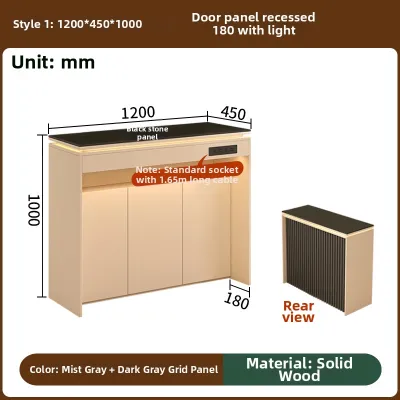
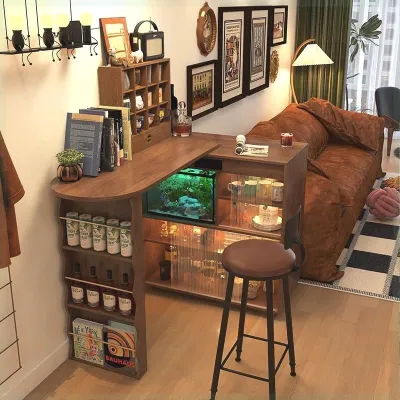

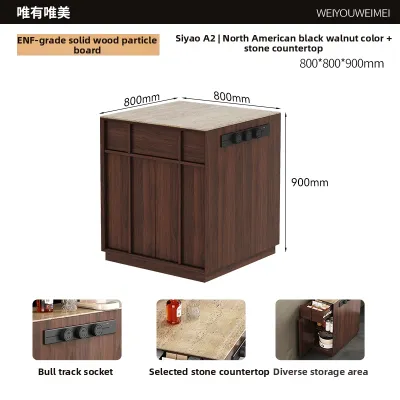
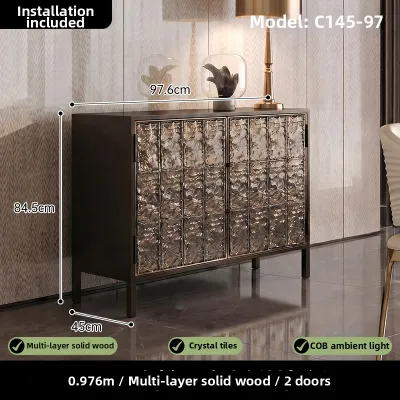
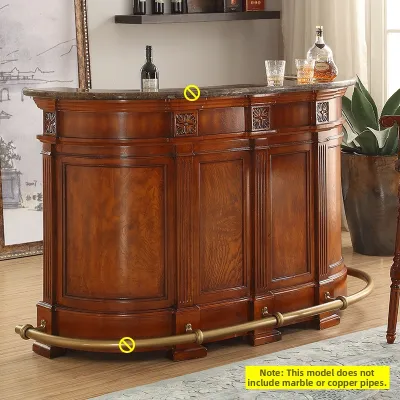
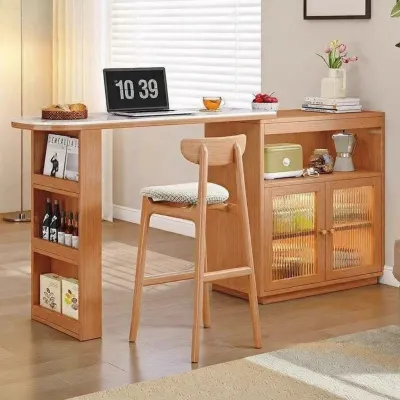
Prices are valid at publication and may change. Please refer to the product page for the latest price.
Identify the dominant design style of your current sofa and furniture set. If your living room features a minimalist, low-profile sofa with clean lines, a bulky, ornate bar cabinet will feel out of place. Conversely, a plush, classic leather sofa set pairs beautifully with a more substantial, traditional cabinet. Understanding whether your style leans modern, industrial, mid-century, or classic helps narrow down your options immediately.
Determine how you plan to use the bar cabinet to establish your storage requirements. If you primarily want to display glassware and premium bottles, a cabinet with glass doors or open shelving is ideal. If you need to store mixing tools, linens, and miscellaneous items, look for a model with closed drawers and solid doors. Balancing your functional needs with the physical constraints of your room ensures the cabinet is both practical and visually appropriate.
Match Materials and Surface Finishes
Achieving a cohesive look does not require buying a matching set from the same manufacturer. Instead, focus on coordinating the materials and surface treatments of your bar cabinet with your existing coffee table, TV console, and side tables. If your living room furniture features warm oak or teak, look for a bar cabinet that shares similar wood tones or grain patterns to create a sense of continuity.

In humid climates, the choice of material and finish is particularly important for long-term durability. Check the manufacturer’s care labels to ensure the cabinet’s finish can withstand local humidity levels and occasional spills. Engineered wood with high-quality veneers or solid wood treated with moisture-resistant sealants will perform better and maintain their appearance over time.
Pay close attention to the metal accents and leg finishes on your existing furniture. If your sofa has matte black steel legs and your coffee table features brass details, try to mirror these elements in the bar cabinet’s hardware or base. Matching these subtle metallic accents helps tie different pieces of furniture together, making the room feel curated rather than chaotic.
If you prefer a mixed-material look, ensure the contrast is intentional. For instance, pairing a sleek glass-and-metal bar cabinet with a fabric-upholstered sofa can create a sophisticated, modern contrast. The key is to repeat at least one material or finish from your existing furniture set within the new cabinet to establish a clear visual connection.
Balance Proportions and Visual Weight
To maintain a balanced layout, compare the height of the bar cabinet with the backrest and armrests of your sofa. A cabinet that is significantly taller than the sofa can dominate the room, while one that is too low might look like an ordinary sideboard rather than a dedicated bar area.
Consider the visual weight of the cabinet in relation to your sofa’s profile. A heavy, solid wood cabinet with a closed base pairs well with a substantial, deep-seated sofa. If your sofa has a raised frame with slender legs, a bar cabinet with an open metal base or a floating design will maintain an airy, spacious feel in the room. This balance prevents one side of the room from feeling visually heavier than the other.
Spatial planning is also essential for maintaining comfortable walkways around your seating area. Ensure there is enough clearance for guests to move around the sofa even when the bar cabinet doors or drawers are fully open. If space is tight, consider a cabinet with sliding doors or a corner-fitting design that maximizes unused space without encroaching on the main seating zone.
If you plan to place the bar cabinet directly adjacent to the sofa, leave enough breathing room between the two pieces. Crowding them together can make the living room feel cramped and restrict access to both the seating and the cabinet. A well-proportioned layout allows each piece of furniture to stand out while contributing to a harmonious overall composition.
Coordinate Colors and Hardware Details
Color coordination is a powerful tool for integrating a new bar cabinet into your living room’s existing color palette. You can choose a cabinet color that blends seamlessly with your primary furniture pieces, or select a contrasting shade to create a stylish accent point. For example, in a neutral living room dominated by grey and beige tones, a deep navy or forest green bar cabinet can serve as a sophisticated focal point.
If you prefer a cohesive, monochromatic look, match the cabinet’s color to the dominant wood or paint finish of your TV console and bookshelves. This approach works exceptionally well in smaller spaces, as it prevents the room from feeling visually fragmented. To add depth, you can play with different textures, such as a ribbed wood facade or a matte finish, while keeping the color consistent.
Hardware details offer another opportunity to unify your living room design. Look at the drawer pulls, hinges, and handles on your existing cabinets and media units. If your current furniture features brushed brass hardware, selecting a bar cabinet with similar brass accents will instantly make the new piece feel like part of the original set.
You can also use styling elements to bridge the design gap between your sofa and the bar cabinet. Decorate the top of the cabinet with items that echo the colors and textures of your sofa’s throw pillows, blankets, or area rug. Placing a small ceramic vase, a textured tray, or a table lamp on the cabinet helps draw the eye across the room, creating a unified visual flow.
Common Coordination Mistakes to Avoid
One of the most frequent errors when adding a bar cabinet is mixing too many competing wood stains or design eras in a single room. While eclectic styling can work, combining a rustic reclaimed wood cabinet with a mid-century modern teak sofa set and a high-gloss contemporary TV console often results in a cluttered, disjointed look. Stick to a maximum of two wood tones with similar undertones to keep the design cohesive.
Another mistake is failing to account for the practical clearance needed for cabinet doors, drawers, and pull-out shelves. Always measure the swing radius of the doors before finalizing the cabinet’s position. If the doors block a walkway or bump into the side of the sofa when opened, the setup will quickly become frustrating to use.
Additionally, avoid overloading the top of the bar cabinet with too many decorative items or bottles. A cluttered surface detracts from the cabinet’s design and can make the entire living room feel disorganized. Keep the styling simple and functional, leaving enough open space to prepare drinks comfortably.
Finally, safety should always be a priority, especially with tall or top-heavy bar cabinets. If your chosen cabinet requires structural wall mounting for stability, do not attempt to install it without verifying your wall type. If you are unsure whether your walls can support the weight of a loaded cabinet, stop and consult a professional installer to ensure the unit is safely anchored.
Frequently Asked Questions (FAQ)
Can I mix different wood tones in the same living room?
Yes, you can successfully mix different wood tones as long as you maintain a consistent undertone across the pieces. For example, you can pair a light oak coffee table with a darker walnut bar cabinet if both woods share a warm, golden undertone. To make the combination look intentional, use a unifying element like a large area rug or matching metal hardware to bridge the different finishes and tie the room together.
How much space should I leave between the sofa and the bar cabinet?
As a general guideline, you should leave at least 60 to 90 centimeters of clearance between your sofa and the bar cabinet to allow for comfortable walking and easy access. Before finalizing the placement, measure the specific swing radius of the cabinet doors and drawers to ensure they can open fully without hitting the sofa or blocking the walkway. If space is limited, opting for sliding doors or a sliding glass front can help save valuable floor space.
Community discussion
Share your experience or ask a question. Comments are reviewed before publication.