
Setting up a functional home in a rental flat often comes with a major hurdle: strict tenancy agreements that prohibit drilling holes into walls. Fortunately, you can configure a highly efficient storage system using a portable shelf that relies on freestanding modular designs or vertical tension-pole structures. These smart setups maximize your vertical space without risking your security deposit or leaving unsightly marks behind.
By choosing the right non-permanent shelving configurations, you can easily customize your living space to suit your needs. Whether you need to organize a compact entryway, extend your wardrobe, or add storage to a tight kitchen corner, portable systems offer the ultimate flexibility for temporary living.
Understanding Rental Constraints and Shelf Stability
To successfully set up storage in a rental flat, you must first understand the physical characteristics of rental-friendly furniture. A truly portable shelf is defined by its freestanding, modular, or tension-based design, requiring zero drilling or permanent wall mounting. These units are engineered to support their own weight and the items placed on them through balanced structural engineering.
Products mentioned in this guide
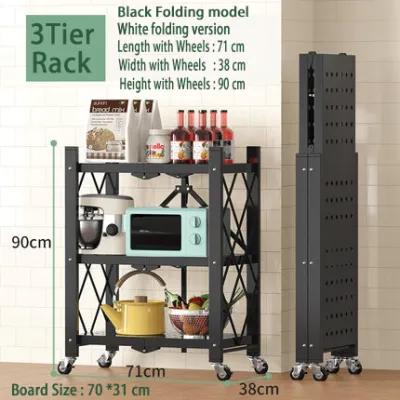
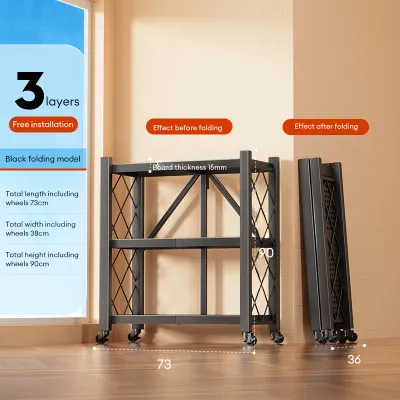
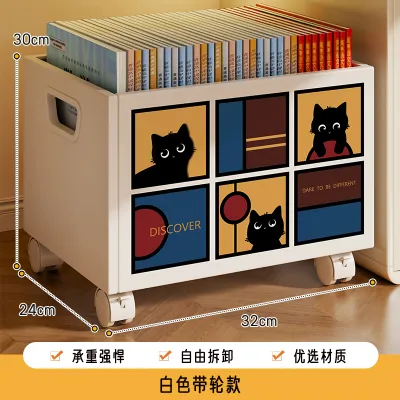
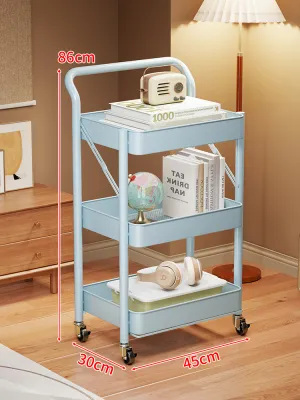
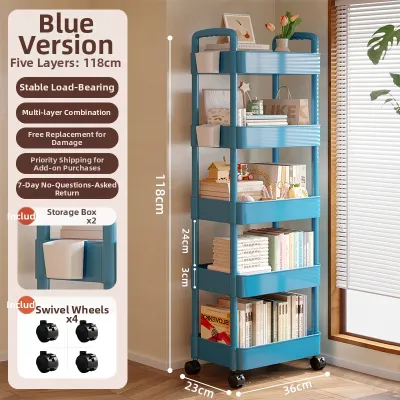
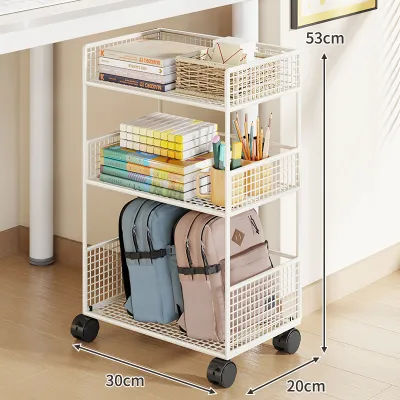
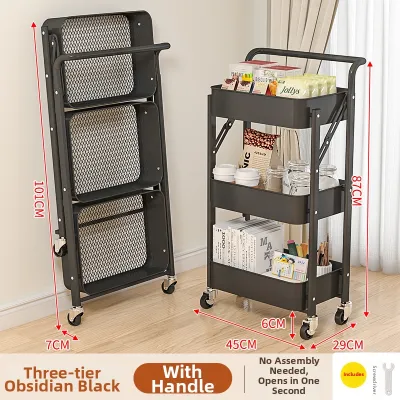
Prices are valid at publication and may change. Please refer to the product page for the latest price.
Before purchasing any shelving unit, it is crucial to check the floor load limits of your flat and the shelf’s maximum weight capacity. While standard residential floors are designed to handle typical household loads, placing dense, heavy items on a narrow-footprint shelf can concentrate weight in a small area. Always verify the manufacturer’s specified weight limits for both individual tiers and the entire unit to prevent structural failure.
Measuring your physical space accurately is the next critical step. Take precise measurements of your available floor space, baseboard depth, and ceiling height before shopping. Thick baseboards can prevent a flat-backed shelf from sitting flush against the wall, which can compromise its stability. Additionally, ensure your chosen configuration does not block walkways, power outlets, light switches, or air conditioning vents.
Freestanding and Tension-Based Shelf Configurations
When wall mounting is not an option, you must rely on alternative structural methods to keep your shelves upright and stable. The two primary non-damaging approaches are vertical tension-pole systems and modular freestanding bases.

Each system has distinct structural requirements and load capacities. Always consult the manufacturer’s specifications to determine the maximum load per tier and verify that the overall unit stability matches your intended use.
Floor-to-Ceiling Tension Poles
Tension-based shelving systems utilize a spring-loaded or screw-adjusted pole mechanism to secure the structure firmly between the floor and the ceiling. This vertical pressure creates a highly stable anchor point without the need for screws or nails, making it an excellent choice for narrow spaces or high-ceilinged rooms.
Before opting for this setup, you must verify the construction of your ceiling. Tension poles require a solid, load-bearing concrete ceiling to anchor safely. They must never be installed against suspended plasterboard or false ceilings, which are common in renovated flats to hide wiring, as the intense vertical pressure can easily crack or cave in the plaster.
To ensure the system remains secure, inspect the condition of the rubber or silicone pads at the top and bottom of the poles. These pads provide the necessary friction to prevent the poles from sliding on smooth flooring surfaces, such as polished marble, vinyl, or glazed ceramic tiles. If the pads are worn, dry, or dirty, the stability of the entire unit will be severely compromised.
Modular Freestanding Cubes and Grids
Modular freestanding systems, such as interlocking wire grids, plastic cubes, and stackable wooden crates, rely on a wide, stable base to distribute weight evenly across the floor. These systems are highly customizable, allowing you to build outward rather than upward if vertical space is limited.
When assembling modular units, you must strictly follow the manufacturer’s stacking limits. Attempting to build a modular tower too high without a sufficiently wide base increases the risk of toppling. Keep the overall height reasonable and expand the configuration horizontally to maintain a safe center of gravity.
To ensure the structure remains rigid and does not wobble, use the provided interlocking clips, connectors, or heavy-duty zip ties to secure every single joint. A tightly locked modular system behaves as a single solid unit, significantly reducing the risk of individual sections shifting or collapsing under load.
Space-Saving Layouts for Common Rental Zones
Maximizing a rental flat’s layout requires zoning your storage based on item weight, frequency of use, and the available floor footprint in each room. By placing the right portable shelf configuration in the right zone, you can create a seamless, organized home.
Living Room and Entryway
The living room and entryway are high-traffic zones where safety and aesthetics must coexist. For these areas, low-profile modular cubes work exceptionally well as entryway shoe storage or as low room dividers that separate the dining space from the lounge area without blocking natural light.
To prevent accidental tipping in these busy zones, always place your heaviest items, such as books, storage boxes, or heavy decorative pieces, on the bottom tiers of the shelving unit. Keeping the weight concentrated at the base lowers the unit’s center of gravity, making it much more resilient to accidental bumps from passing family members or guests.
Bedroom and Wardrobe Extensions
Rental bedrooms often suffer from a lack of built-in closet space. You can easily extend your wardrobe capacity by integrating freestanding garment racks that feature built-in shelving, or by placing tall, narrow modular bookcases in underutilized corners.
When positioning these units, always leave adequate clearance for wardrobe doors, chest drawers, and walking paths. Blocking these pathways not only makes daily routines frustrating but also increases the likelihood of knocking into the shelves, which can cause items to fall or the unit to shift out of place.
Kitchen and Utility Corners
Kitchens and utility yards are high-use zones where wall space is often limited by tiling or appliances. Tiered rolling utility carts and slim, freestanding wire shelves are ideal for slipping into narrow gaps between the refrigerator and the counter, or next to the washing machine.
Because these areas are prone to moisture, always check the product labels to ensure the shelving material is water-resistant or rust-resistant. Additionally, place non-slip silicone mats under the shelf legs to protect both the shelf base from standing water and your kitchen floor tiles from scratches and scuffs.
Ensuring Safety and Preventing Wall and Floor Damage
Maintaining a safe living environment and protecting your landlord’s property requires proactive measures when installing portable furniture. With a few simple precautions, you can completely avoid scratches, scuffs, and tipping hazards.
To guarantee physical safety, always prioritize physical stability over convenience. Use wide-base configurations wherever possible, distribute weight evenly across all shelves, and ensure tension poles are adjusted to the exact height of your room. Never overload a single side of a modular unit, as uneven weight distribution is a primary cause of furniture tipping.
Protecting your floors from the heavy weight of fully loaded shelves is equally important. Place heavy-duty felt pads under the feet of wooden or metal shelves, use soft rubber casters on rolling carts, or position a protective area rug under large modular units. These barriers prevent deep indentations, scratches, and scuffs on sensitive flooring materials like vinyl, laminate, or polished parquet.
Finally, always maintain a small gap of approximately 1 to 2 centimeters between the back of your shelving unit and the wall. Standard daily use, loading and unloading items, or minor building vibrations can cause freestanding shelves to shift slightly. If the shelf is resting directly against the wall, these micro-movements will eventually rub off the paint or leave dark scuff marks that require repainting before you move out.
Adapting and Reconfiguring Your Setup Over Time
One of the greatest advantages of using a modular portable shelf is its long-term versatility. Unlike custom built-in cabinetry, portable systems can adapt and evolve alongside your changing lifestyle, budget, and living arrangements.
As your storage needs change, modular systems allow you to add, remove, or rearrange individual tiers and compartments without needing to purchase entirely new furniture pieces. You can easily scale your storage up during busy periods or streamline it for a cleaner, more minimalist aesthetic.
This adaptability makes modular furniture incredibly cost-effective across different rental properties. A modular cube system that serves as a bedroom wardrobe extension in your current flat can easily be reconfigured into a living room TV stand, a study room bookshelf, or an entryway console in your next home.
To make future transitions as smooth as possible, establish a dedicated storage system for your furniture accessories. Keep all original assembly hardware, spare connectors, Allen keys, and instruction manuals in a clearly labeled, sealable bag. Storing these components together ensures that when the time comes to pack up and move, you will have everything you need to quickly disassemble, transport, and rebuild your shelving setup in your new space.
Frequently Asked Questions (FAQ)
Can I use adhesive hooks or strips to secure a portable shelf to the wall?
No, you should avoid using heavy-duty adhesive hooks or mounting strips to secure or anchor a portable shelf to the wall. While these products are often marketed as damage-free, the heavy weight of a loaded shelf can cause the adhesive to pull away, peeling off the wall paint, tearing the wallpaper, or damaging the underlying drywall plaster upon removal. This damage can result in costly repairs and deductions from your security deposit. Instead, rely entirely on the shelf’s inherent physical stability, such as choosing units with a wide base, keeping the center of gravity low, and using properly adjusted tension poles.
How do I maintain tension poles to ensure they stay secure over time?
To ensure your floor-to-ceiling tension poles remain safe and secure, you should perform routine maintenance checks every few months. Changes in indoor temperature and humidity, along with minor daily vibrations from foot traffic or nearby appliances, can cause the tension mechanism to gradually loosen over time. Periodically check the tightness of the poles and adjust the screw or spring mechanism as needed to maintain firm pressure. Additionally, wipe the top and bottom rubber pads with a damp cloth during your regular cleaning routine to remove accumulated dust and debris, which helps maintain an optimal grip on the floor and ceiling.
Community discussion
Share your experience or ask a question. Comments are reviewed before publication.