
Selecting the right toddler bookshelf for a compact Singapore HDB bedroom requires balancing accessible storage with precious floor space. In a typical HDB bedroom, where floor areas often range from 9 to 12 square meters, a modular configuration offers the flexibility to scale storage as your child grows. By prioritizing low-profile bases, secure wall anchoring, and adaptable layouts, you can create an inviting reading nook that remains safe and highly functional. Modular furniture is particularly suited for these smaller layouts because it allows parents to customize the height and width of the shelving to fit around existing built-in wardrobes, study desks, or bed frames.
Assessing Room Dimensions and Clearances
Before purchasing any modular components, measure the exact floor footprint and wall space available in the bedroom. Use a steel measuring tape to map out the width, height, and depth of the intended zone, making sure to account for the thickness of skirting boards. Skirting boards can prevent a bookshelf from sitting completely flush against the wall, which is a critical factor when planning for stability and anchoring. If your HDB flat has exposed electrical trunking or air conditioning pipes running along the walls, measure their distance from the floor and corners to ensure your shelves will clear them.
Take note of the locations of electrical outlets, light switches, and air conditioning units. Blocking power points with heavy furniture limits your room layout options and can make plugging in nightlights or baby monitors difficult. Ensure the depth of the modular units does not interfere with the swing arcs of bedroom doors, wardrobe doors, or window panels. A door that strikes a bookshelf when opened can damage both the door and the furniture, while also creating a pinch hazard for small fingers.
Products mentioned in this guide
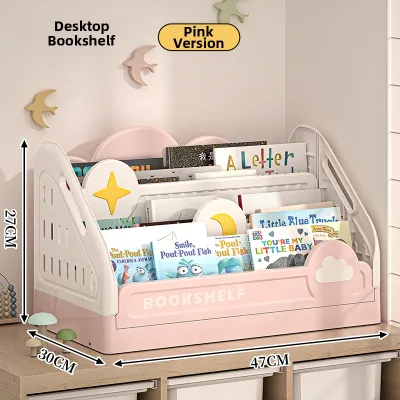
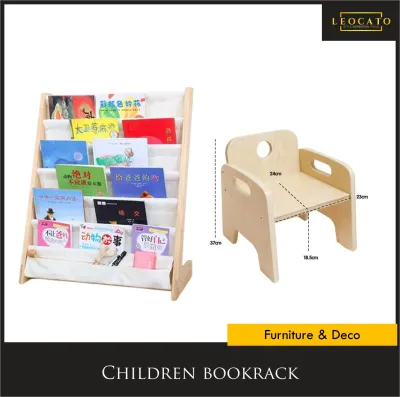
![[SG Stock]Simple Bookshelf White Decorative Rack Wooden Bookshelf Childrens Mobile Book Rack](https://img.lazcdn.com/g/p/932906d8eb4c9baebc02c1a5de49f903.jpg_400x400q80.jpg_.webp)
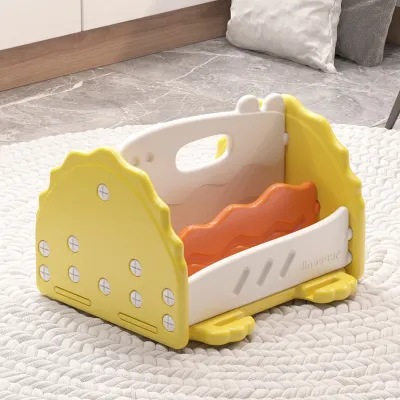
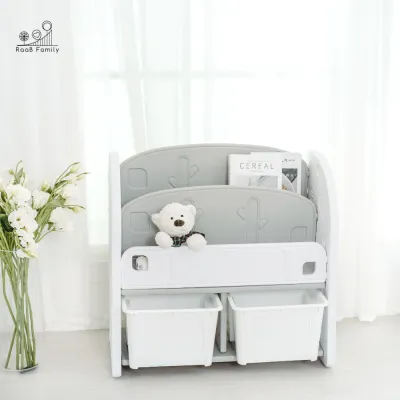
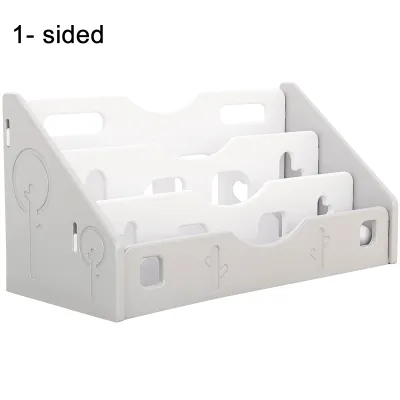
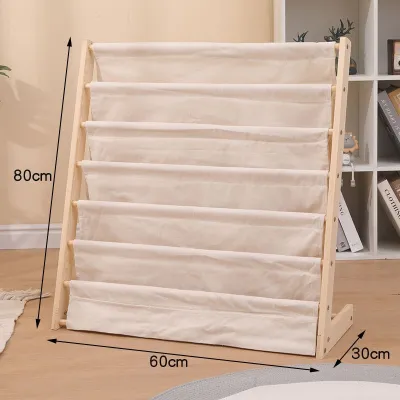
![[OKLIFE®]360° Rotating household student bookcase childrens floor bookcase book rack Books Organizer For Kids](https://img.lazcdn.com/g/p/6c3502bbce3b9e48de9c9715b17e7b06.jpg_400x400q80.jpg_.webp)
Prices are valid at publication and may change. Please refer to the product page for the latest price.
Leave a comfortable walkway clearance of at least 60 to 70 centimeters in front of the shelves so your toddler can safely sit on the floor to browse books. If you plan to expand the system later, identify adjacent wall space that can accommodate future horizontal modules. This forward-planning ensures you will not have to redesign the entire room layout when your child’s book collection expands. It also helps you maintain a clear path to the household shelter or bedroom exit in case of emergencies.
Choosing the Ideal Modular Configuration
Modular bookshelves allow you to choose between vertical stacking and horizontal spreading, each offering distinct advantages for small spaces. In a compact HDB bedroom, a low, horizontal configuration is generally the most practical starting point for a toddler. Keeping the modules at a height of 60 to 90 centimeters allows young children to reach their favorite books independently, fostering early reading habits. Low-slung configurations also double as a surface for displaying toys or holding a small table lamp.

As your child grows, you can stack additional modules vertically to utilize unused wall space without consuming more floor area. When planning a vertical stack, verify that the base units are designed to support the weight of upper tiers. Look for modular systems that use secure interlocking pins, brackets, or connector clips to join the individual units together. Avoid stacking modules that are not explicitly designed to lock into one another, as loose units can easily slide or shift.
Evaluate the internal dimensions of the individual cubes or shelves to ensure they fit common children’s book formats and storage bins. Standard picture books often require a shelf depth of at least 25 to 30 centimeters and a similar height clearance. Choosing modules with adjustable shelves or removable dividers gives you the flexibility to store oversized board books alongside standard toy organizers. For toddlers, a combination of front-facing book display modules on top and deep storage bins on the bottom is highly effective, as it keeps book covers visible while hiding clutter.
Verifying Safety and Stability for Toddlers
Safety is the most critical factor when setting up any furniture in a toddler’s room. Because toddlers naturally use shelves as climbing frames, every modular configuration must be structurally stable. Check the manufacturer’s specifications to confirm that the shelving unit includes dedicated anti-tip wall anchoring hardware. If the hardware is not included, you must purchase a compatible furniture strap or L-bracket kit separately before assembling the unit.
Before installation, identify your wall type, as HDB partition walls (such as drywall or lightweight concrete blocks) require different wall plugs and screws than solid concrete structural walls. Solid concrete walls require a masonry drill bit and heavy-duty plastic wall plugs, while partition walls may require toggle bolts or hollow-wall anchors to hold the weight securely. Ensure the anchoring hardware you use is rated for your specific wall material to guarantee a secure hold. Never rely solely on the weight of the books to keep a modular stack upright.
Review the maximum weight capacity limits specified by the manufacturer for both individual shelves and the overall modular assembly. Distribute heavier items, such as heavy board books and toy bins, on the bottom shelves to lower the unit’s center of gravity. Additionally, inspect the product details to verify that the modules feature rounded corners, smooth edges, and finishes that are certified safe for children’s environments. Avoid units with glass doors, sharp metal brackets, or exposed small parts that could become choking hazards.
Common Sizing and Layout Mistakes to Avoid
One common mistake is selecting oversized modular units that overwhelm the limited visual space of a small bedroom. Large, bulky shelves can block natural light from windows, making a compact room feel dark, cramped, and uninviting. Opt for open-backed modules or lighter finishes to maintain an airy, spacious feel in the room. A lighter color palette, such as white, birch, or soft pastel tones, can make the furniture blend seamlessly into the walls.
Another frequent error is ignoring the depth of the bookshelf when placing it near high-traffic walkways. A shelf that protrudes too far into the room creates a persistent tripping hazard for active toddlers and makes navigating the space difficult for parents. Double-check that the outer edges of the modules do not extend past the frames of adjacent wardrobes or beds. If space is exceptionally tight, look for ultra-slim ledges or shallow book racks that mount directly to the wall.
Finally, some parents fail to secure tall modular stacks to the wall under the assumption that a heavy unit cannot tip over. Even a moderately tall stack of two or three modules can easily tip if a child pulls on an upper shelf or drawer. Always install the anti-tip brackets immediately during assembly, rather than postponing this crucial safety step. Additionally, avoid placing the bookshelf directly next to a bed or window where a climbing child could use the shelves as a ladder to reach dangerous heights.
Frequently Asked Questions (FAQ)
Can I mount a modular toddler bookshelf directly to the wall without floor support?
Fully wall-mounted floating shelves must be anchored directly into structural walls or studs to support the weight of books safely. Unlike floor-standing units that use wall anchors solely to prevent tipping, fully suspended shelves rely entirely on the wall for load-bearing support. Always check the manufacturer’s maximum load specifications and verify that your HDB wall type can safely support a suspended installation before mounting. If you are mounting onto a non-structural partition wall, it is generally safer to use a floor-standing modular unit secured with anti-tip straps.
How do I clean and maintain a modular bookshelf safely?
Keep the bookshelf clean by dusting it regularly with a dry, soft microfiber cloth to prevent dust buildup. For sticky fingerprints, use a slightly damp cloth and wipe the surface dry immediately to prevent moisture from warping the material or damaging the finish. Periodically inspect the modular connectors, brackets, and wall anchors to ensure no screws have loosened over time. If you notice any wobbling or shifting when books are removed, tighten the hardware immediately to maintain structural integrity.
Community discussion
Share your experience or ask a question. Comments are reviewed before publication.