
The most effective modular shelving rack configuration for a small HDB flat is one that prioritizes vertical height over floor footprint, utilizes adjustable shelf intervals, and adapts to specific room layouts like corners or low-profile under-window spaces. By selecting a configuration that matches your specific room dimensions and storage needs, you can create a highly functional storage system that keeps your home organized and visually open.
Finding the right storage solution for a compact Singapore HDB flat often feels like a balancing act. You need to maximize every square inch of available space without making your rooms feel cramped or cluttered. Modular shelving offers a flexible, customizable solution that can adapt to the unique architectural features of your flat, from household shelters to narrow corridors.
Assessing Your HDB Space and Storage Needs
To design an effective modular setup, start with a thorough assessment of your physical space. Grab a measuring tape and record the exact width, depth, and height of the area where you plan to place the shelving rack. It is crucial to account for architectural features that might obstruct the installation. Measure the swing radius of nearby doors, wardrobe doors, and household shelter doors to ensure they can open fully without hitting the rack. Leave at least 60 to 70 centimeters of clear walkway space in front of the shelves for comfortable movement. Additionally, locate all power outlets, light switches, and internet ports; blocking these can lead to significant daily inconvenience.
Products mentioned in this guide
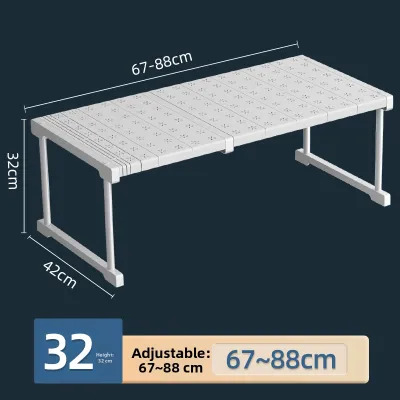
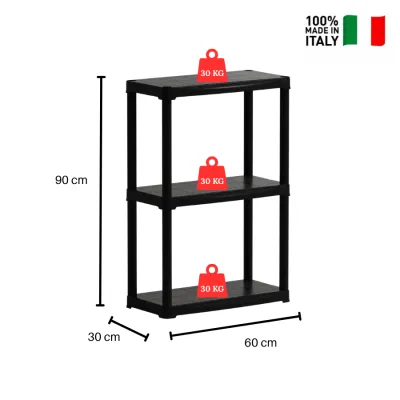
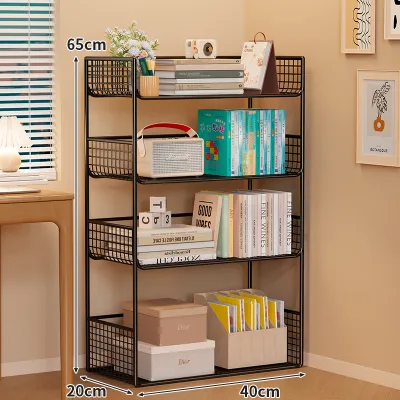
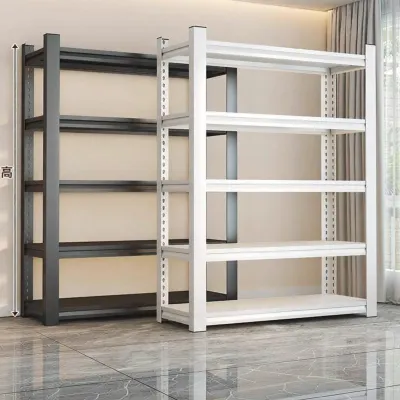
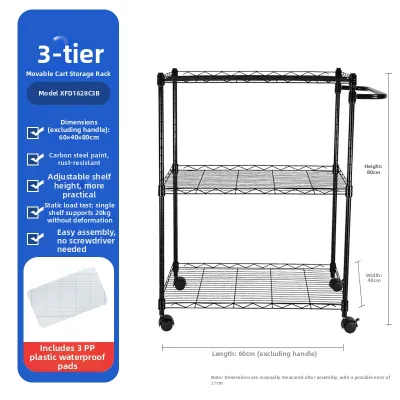
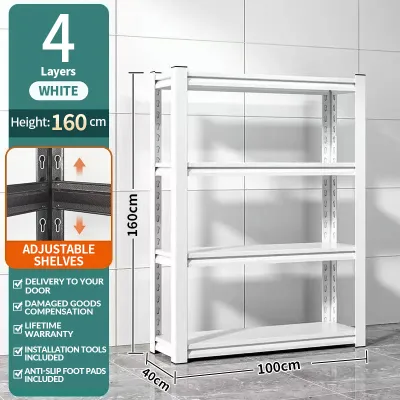
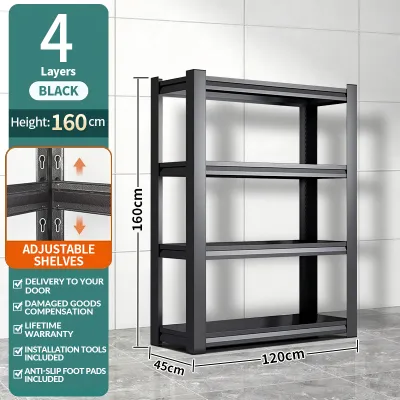
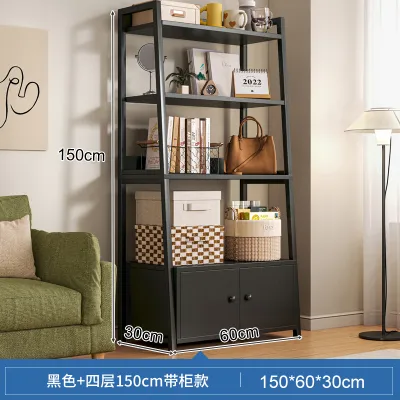
Prices are valid at publication and may change. Please refer to the product page for the latest price.
Next, categorize the items you plan to store. Group them by weight, size, and how often you need to access them. Heavy kitchen appliances, bulk groceries, or large plastic storage tubs require deeper shelves with a higher load capacity. Conversely, books, decorative items, and daily essentials can sit comfortably on shallower shelves. Understanding your inventory prevents you from buying a rack that is either too bulky for your needs or too flimsy to support your belongings.
Do not overlook underutilized dead spaces in your HDB flat. These include the narrow gap between a wardrobe and the bedroom wall, the empty space above a study desk, or the awkward alcove in the service yard. Modular shelving units are uniquely suited for these areas because you can customize their height and width to fit precise dimensions, turning wasted corners into valuable storage zones.
Choosing the Right Modular Shelving Rack Dimensions
Selecting the right dimensions for your modular shelving rack is a critical step in maintaining a balanced room flow. Shelf depth is particularly important. For narrow corridors, entryways, or tight study rooms, opt for shallow shelves (around 30 centimeters deep). These provide ample space for books, shoes, or small bins while keeping the walkway clear. For dedicated storage areas like bomb shelters or utility closets, deeper shelves (45 to 60 centimeters deep) are more appropriate, as they can accommodate bulky storage boxes and larger household items.

Vertical height is another key dimension to plan carefully. In a small HDB flat, extending your shelving upward is an efficient way to increase storage without sacrificing floor space. However, a solid, full-height rack can easily overwhelm a small room and block natural light. To prevent this visual overcrowding, consider using tall racks only in corners or choosing open-frame designs that let light pass through. If you are placing a rack in a main living area, keeping the height below eye level can help maintain an airy, spacious feel.
Adjustability is the defining feature of modular shelving, and you should leverage it fully. Look for systems that offer closely spaced adjustment points or peg holes. This allows you to set shelf intervals based on the exact height of your items, eliminating wasted vertical space. For example, you can set narrow intervals for flat items like documents or laptop sleeves, and wider intervals for tall kitchen appliances or storage bins. As your storage needs change over time, you can easily reconfigure the shelf heights without needing to buy a completely new system.
Optimal Layout Configurations for Compact Rooms
The way you arrange your modular shelving racks can dramatically affect the perceived size of your rooms. In tight corners or narrow gaps, a tall and narrow vertical configuration is highly effective. This setup acts as a storage tower, drawing the eye upward and making efficient use of a minimal footprint. It is an ideal choice for small bedrooms or bathrooms where floor space is at a premium.
For awkward alcoves or utility rooms, an L-shaped or corner wrap configuration is often the best choice. This layout utilizes the corner space that often goes to waste in standard shelving setups. When planning an L-shaped configuration, look for modular systems that offer specialized corner shelves or corner connectors. These designs eliminate the need for a middle support post in the corner, giving you unobstructed access to the entire shelf surface and making it much easier to store and retrieve bulky items.
In living areas or bedrooms where preserving natural light and sightlines is a priority, a low-profile or under-window setup works beautifully. By keeping the height of the shelving rack below the window sill (typically around 80 to 90 centimeters), you can enjoy plenty of storage space while keeping the room feeling bright and open. The top surface of a low-profile rack can also double as a sideboard, media console, or display area for plants and decor.
If you live in an open-concept HDB flat, such as a combined living and dining area, you can use modular cubes or grid systems as open room dividers. This configuration allows you to define distinct functional zones without building permanent walls. Because these systems are open-back, they allow light and air to circulate freely, keeping the entire flat feeling connected and spacious while providing accessible storage from both sides.
Installation, Safety, and Weight Capacity Checks
Before assembling and loading your modular shelving rack, it is essential to perform several safety and structural checks. Always refer to the manufacturer’s specifications to verify the weight limit per shelf and the total load capacity of the entire unit. Exceeding these limits can cause shelves to sag, bend, or collapse, posing a serious safety hazard. If you plan to use the rack in high-humidity areas like the service yard or kitchen, check the manufacturer’s care instructions and finish specifications to ensure the material is suitable for the environment.
To ensure stability, always distribute weight evenly across the rack. Place your heaviest items—such as heavy storage boxes, kitchen appliances, or books—on the lowest shelves. This lowers the overall center of gravity of the unit, making it much more stable and significantly reducing the risk of tipping. Lighter items, decorative pieces, and frequently accessed objects should be placed on the middle and upper shelves.
Securing tall or top-heavy modular racks to the wall is a crucial safety step, especially in households with children or pets who might attempt to climb the shelves. Most manufacturers provide wall-anchoring hardware with their units. Before installing these anchors, verify the construction of your HDB walls. Structural walls and precast concrete panels require masonry drill bits and heavy-duty wall plugs. Drywall partitions, which are common in newer HDB layouts, require specialized hollow-wall anchors or toggle bolts to provide sufficient holding power. Always follow the manufacturer’s installation instructions carefully, and if you are unsure about drilling into your walls, consult a qualified professional installer.
Frequently Asked Questions (FAQ)
Can I use a modular shelving rack as a room divider in an HDB flat?
Yes, modular shelving racks make excellent room dividers in open-concept HDB flats. To do this safely, ensure the unit has a wide, stable base or is securely anchored to the floor, ceiling, or an adjacent wall to prevent tipping. It is best to choose open-back modular designs, as they allow natural light and air to pass through, defining your spaces without making the room feel dark or enclosed.
How do I prevent a tall modular rack from looking bulky in a small room?
To reduce the visual weight of a tall modular rack, try matching the color of the rack frame to your wall color, which helps the unit blend into the background. Additionally, avoid packing every shelf completely full. Leaving some open space or styling the shelves with a mix of books, small plants, and decorative items creates visual breathing room and keeps the space looking light and airy.
Community discussion
Share your experience or ask a question. Comments are reviewed before publication.