
Configuring a leaning shelf in a compact Singapore apartment requires a strategic approach to vertical space, floor footprint, and visual weight. Unlike traditional bulky bookcases, a leaning shelf—often called a ladder shelf—utilizes an angled profile that tapers upward, making it an excellent choice for tight layouts in modern HDB flats and condominiums. To maximize storage without overcrowding your living area, you must calculate your wall clearance, select a modular or single-frame configuration that matches your room’s proportions, secure the unit safely to the wall, and style the tiers to maintain an open, airy feel. By treating the shelf as both a functional organizer and a design element, you can turn an underutilized wall or narrow alcove into a highly efficient storage zone.
Assessing Your Space and Clearance Requirements
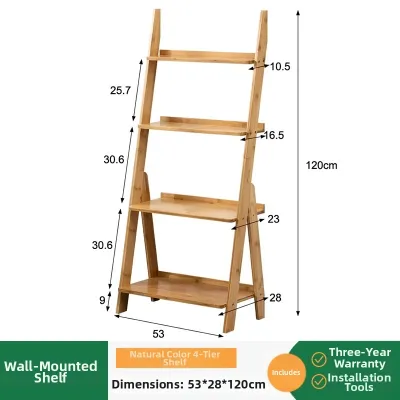
Before purchasing a leaning shelf, taking precise physical measurements of your intended wall space is essential to avoid layout conflicts. Start by measuring the floor-to-ceiling height and the maximum floor depth you can allocate to the unit. Because leaning shelves stand at an angle, the base of the frame will extend outward from the wall, requiring more floor space than a standard vertical bookcase. You must also account for the thickness of your baseboards; if the baseboards prevent the bottom feet from resting flat or push the top of the frame too far from the wall, the shelf’s stability and alignment will be compromised. Check if the manufacturer specifies a minimum wall clearance or a fixed angle of inclination to ensure a proper fit.
In compact homes, pathway clearance is a critical factor when positioning furniture. You need to ensure that the angled footprint of the leaning shelf does not encroach on high-traffic walking routes, narrow corridors, or the swing radius of nearby doors and built-in wardrobe panels. A shelf that juts out too far can create a physical bottleneck, making the room feel cramped and increasing the risk of accidental bumps. Aim to maintain a clear walkway of at least 70 to 90 centimeters in front of the shelf to allow comfortable passage. If you plan to place the shelf near a doorway or a window, verify that the frame will not block light sources or obstruct access to handles and switches.
Products mentioned in this guide
![17vm [Ready Stock] Retro Arched Floor Standing Shelf Internet Celebrity Wall Leaning Bookshelf Multi-Layer Magazine Rack Nordic Newspaper Display Bookshelf F2H6C](https://img.lazcdn.com/g/p/67e37405697e130bf7ba775a4686fb50.jpg_webp_400x400q80.jpg_.webp)



Prices are valid at publication and may change. Please refer to the product page for the latest price.
Logistical considerations are equally important, especially for residents living in multi-story high-rise developments. Before finalizing your order, verify the dimensions of your building’s passenger lift, stairwells, and entry doorways to ensure the packaged or pre-assembled shelf can be delivered safely to your unit. Some solid-frame leaning shelves are delivered fully assembled and may not fit into standard residential elevators or tight corridor corners. If access is restricted, look for flat-packed modular designs that can be easily transported in individual boxes and assembled directly inside your apartment. Taking these preemptive measurements prevents delivery delays and ensures a smooth installation process.
Choosing the Right Leaning Shelf Configuration
Selecting the right configuration depends on your specific storage needs and the architectural features of your room. Single-frame ladder shelves are ideal for minimalist setups, offering a lightweight, standalone solution for displaying books, small plants, or decorative items. However, if you require substantial storage for a home office or living room, a modular or multi-tier configuration is often more practical. Modular systems allow you to place multiple units side-by-side to create a continuous shelving wall, or combine open shelves with lower cabinets and drawers. This flexibility lets you customize the setup to match your storage requirements while maintaining a cohesive design language throughout the space.

The width-to-height ratio of the leaning shelf plays a significant role in how it influences the perception of space in a small room. For narrow alcoves, structural pillars, or tight corners next to a television console, a tall, slender shelf draws the eye upward, emphasizing vertical height and making the ceiling feel higher. Conversely, if you have a wider, empty wall in your dining or living area, a broader, low-profile leaning shelf can anchor the space without overwhelming the room with solid vertical mass. When choosing a unit, aim for proportions that complement your existing furniture; a shelf that is too wide can make a small room feel crowded, while one that is too small may look lost and visually insignificant.
To future-proof your storage setup, look for leaning shelves that offer adjustable shelf heights or removable tiers. As your storage needs evolve, the ability to reposition individual shelves allows you to accommodate taller items such as large art books, storage bins, or potted indoor plants. Some modular designs also feature interchangeable components, allowing you to swap a standard shelf for a fold-down desk surface or a hanging rail. This adaptability is particularly valuable in multi-functional spaces, where a single leaning shelf might need to serve as a display unit by day and a compact workstation by night.
Ensuring Stability and Safe Installation
Because leaning shelves rely on an angled design that naturally shifts weight forward, securing the unit to the wall is a non-negotiable safety step. Before installation, identify your wall material to select the correct anchoring hardware. Most high-rise apartments feature solid concrete or masonry internal walls, which require heavy-duty wall plugs and masonry drill bits to achieve a secure hold. If you are mounting the shelf to a drywall partition, which is common in newer condominium layouts, you must use specialized toggle bolts or hollow-wall anchors, or locate the wooden studs behind the plasterboard to secure the brackets directly into the structural framing.
Always follow the manufacturer’s specific instructions and use the provided anti-tip safety kits to secure the top of the shelf to the wall. These kits typically consist of metal brackets, straps, or long screws that anchor the upper frame directly into the wall structure, preventing the unit from tipping forward if it is pulled or accidentally bumped. Even if the shelf feels stable when empty, the center of gravity shifts significantly once items are placed on the upper tiers. Skipping this step poses a serious safety hazard, particularly in active households where furniture stability is paramount.
Proper weight distribution is another critical factor in maintaining the stability of a leaning shelf. Always place your heaviest items, such as large storage boxes, heavy books, or ceramic pots, on the lowest tiers to keep the center of gravity as low as possible. As you move up the shelf, transition to lighter items like paperbacks, small decorative objects, and framed photographs. Regularly inspect the frame and shelves for any signs of bowing, sagging, or joint separation, especially if you are storing heavy items. If you notice any structural deflection, immediately reduce the load on those tiers to prevent permanent damage or failure of the unit.
Styling and Organizing to Maximize Visual Space
In a small apartment, how you style your leaning shelf directly impacts how spacious the room feels. Applying the rule of visual weight is key to keeping the space open and uncluttered. This design principle suggests placing visually heavy, dense, or dark items on the bottom shelves, while keeping the upper shelves light, sparse, and airy. For example, you can use the bottom two tiers for closed storage boxes or large stacks of books, while reserving the top tiers for delicate glassware, small plants, or single decorative pieces. This gradient of density draws the eye upward and prevents the shelf from feeling top-heavy or visually oppressive.
To maintain clean sightlines and conceal everyday clutter, integrate uniform storage boxes, baskets, or organizers on the open tiers. Open shelving can easily look chaotic if filled with mismatched items, loose papers, or small accessories. Choosing storage containers made from natural materials like rattan, canvas, or felt adds texture to the room while hiding clutter from view. Ensure that the dimensions of the boxes match the depth of the shelves, leaving a small gap at the front and sides so the containers do not overhang or look squeezed into the frame.
Leaving intentional negative space is one of the most effective ways to make a small room feel larger. Resist the temptation to fill every centimeter of every shelf; instead, leave at least one or two tiers partially empty or dedicated to a single, well-placed object. This negative space provides a visual resting point, allowing light to pass through the open frame and making the wall behind the shelf visible. By keeping the arrangement curated and uncluttered, the leaning shelf functions as an elegant design feature that enhances the overall sense of space and light in your home.
Frequently Asked Questions (FAQ)
Can a leaning shelf be used safely without anchoring it to the wall?
No, a leaning shelf should not be used without being securely anchored to the wall. The physics of a leaning design rely on gravity pushing the base outward while the top rests against the wall, which naturally creates a forward pull when weight is added to the shelves. Without proper anchoring, any sudden shift in weight, such as pulling a heavy book from an upper tier or accidentally bumping into the frame, can cause the entire unit to slide or tip forward. Anchoring is absolutely mandatory in homes with children or pets, as climbing or pulling on the shelves can lead to serious accidents.
How do I clean behind a leaning shelf without moving it?
Cleaning the narrow gap behind a leaning shelf can be challenging, but you can maintain the area using specialized tools without dismantling the setup. Use a long-handled microfiber duster or a flexible flat duster designed to slide into tight spaces behind furniture. Alternatively, a vacuum cleaner equipped with a long, slim crevice attachment or a flexible hose can effectively remove dust and pet hair from the floor and wall behind the frame. For deep cleaning or if you need to paint the wall, you must safely remove all items from the shelves, unscrew the anti-tip wall anchors, and carefully move the empty frame away from the wall.
Community discussion
Share your experience or ask a question. Comments are reviewed before publication.