
Finding the right massage chair in Singapore requires looking past marketing buzzwords and focusing on how the machinery interacts with your body. While major brands showcase advanced features, the effectiveness of a back massage depends on how well the chair’s rollers, tracks, and sensors align with your physical build. There is no single brand that suits everyone; instead, the ideal choice is determined by verifying technical specifications and conducting structured hands-on testing. By understanding the core mechanics of these chairs, you can make an objective comparison that targets your specific areas of tension.
Core Technologies That Define Back Massage Quality
The foundation of any high-performance massage chair lies in its roller mechanism, which dictates how the physical nodes move against your back. Standard 2D rollers move along two axes: up and down, and left and right. While these provide a basic massage, they cannot adjust their depth, often leading to a surface-level experience that may feel too light or inconsistently harsh.
To achieve a more precise back massage, 3D rollers introduce a third axis of movement, allowing the rollers to protrude forward and retract backward. This depth adjustment is crucial for matching the natural curvature of your spine, ensuring the rollers maintain consistent pressure as they transition from your neck down to your lower back.
Products mentioned in this guide

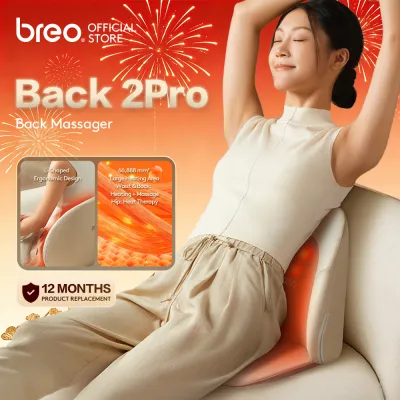
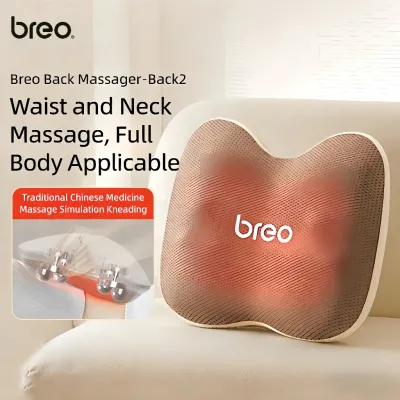

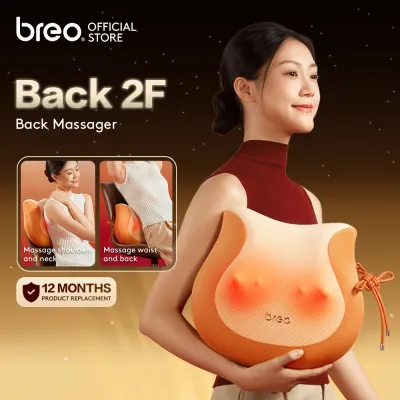

![[SG In Stock]Magnetic Therapy Acupuncture Massage Lumbar Stretcher Back Magnetic Therapy Points Spinal Pain Orthosis 顶腰板](https://img.lazcdn.com/g/p/e57ded254095fef5bf486919a59c4080.jpg_400x400q80.jpg_.webp)
Prices are valid at publication and may change. Please refer to the product page for the latest price.
Advanced 4D rollers build upon this by dynamically varying the speed of the massage strokes. This technology attempts to mimic the rhythmic acceleration and deceleration of a professional masseuse, providing a more organic feel rather than a mechanical, robotic cadence.
The path these rollers travel is determined by the track system. An S-track follows the natural curve of your spine from the neck to the lower back, maintaining optimal contact along the lumbar region but stopping at the waist.
An L-track extends this path further, curving under the seat to massage the glutes and hamstrings. While L-tracks offer greater coverage, some models sacrifice lumbar stretch capabilities because the frame is rigid. Flexible or jointed tracks have emerged to bridge this gap, allowing the chair to recline into a flat or stretched position while keeping the rollers in contact with your lower body.
Automated body-scanning technology acts as the brain of the roller system. Before a program begins, sensors map your shoulder height and spinal curvature to calibrate the starting point of the rollers. Accurate scanning prevents the rollers from hitting your skull or missing your lower back entirely, making it a critical feature to evaluate when comparing different brands.
Matching Massage Mechanisms to Specific Back Needs
Different back conditions and personal preferences require distinct mechanical profiles. If you suffer from chronic muscle tightness or require deep-tissue therapy, you should look for chairs equipped with high-protrusion 3D or 4D rollers. These systems allow you to manually adjust the depth of the rollers, ensuring you can increase the intensity to penetrate deep muscle layers or back off when a sensitive area is reached.

For those seeking gentle relaxation or who have sensitive skin and bones, aggressive rollers can cause discomfort. In these cases, chairs utilizing softer roller materials, such as silicone-coated nodes, provide a more cushioned touch.
Additionally, airbag-compression systems can deliver a gentler back massage by squeezing and releasing the muscles around the shoulders and hips, promoting circulation without the direct, hard pressure of mechanical rollers.
Zero-gravity positioning is another feature that enhances comfort by reclining the chair so your knees are elevated above your heart. This position distributes your body weight evenly across the chair, reducing spinal pressure and allowing the rollers to work more deeply and evenly without requiring extra mechanical force.
Heat therapy plays a vital role in preparing your back muscles for mechanical kneading. Applying heat dilates blood vessels, increasing local circulation and making muscle fibers more pliable.
When comparing models, check the placement of the heating elements. Some chairs offer localized lumbar heat, while others provide full-back heating pads or heated rollers that warm the muscles directly as they move, which can significantly improve the comfort of the massage.
Key Specifications to Verify Before Purchasing
Before visiting a showroom in Singapore, compiling a list of objective specifications will help you compare different brands on equal terms. The track length is one of the most critical measurements to verify. A track that is too short will fail to reach your lower back or neck, while a track designed for taller individuals may misalign the roller nodes with your shoulder blades.
You must also check the manufacturer’s stated minimum and maximum user height and weight limits. These limits ensure the internal motors and frame can support your body weight without straining, which directly impacts the longevity of the chair.
Additionally, verify the roller width adjustment range, as users with narrower or broader shoulders will need to adjust the horizontal spacing of the nodes to avoid painful contact with the shoulder blades or spine.
Because Singapore apartments often have compact layouts, you must also measure the finished dimensions of the chair in both its upright and fully reclined positions. Ensure there is sufficient clearance in your living space and verify that the delivery path—including lift doors, main gates, and narrow hallways—can accommodate the chair’s boxed dimensions.
The following table template can be used to organize your research when comparing different models across brands:
| Specification | Model A | Model B | Model C |
|---|---|---|---|
| Track Type & Length | e.g., L-Track, 130cm | e.g., Flexible Track, 135cm | e.g., S-Track, 115cm |
| Roller Dimensionality | e.g., 3D Roller | e.g., 4D Roller | e.g., 2D Roller |
| Max User Weight & Height | e.g., 120kg / 185cm | e.g., 110kg / 180cm | e.g., 100kg / 175cm |
| Heat Therapy Zones | e.g., Lumbar only | e.g., Heated Rollers | e.g., Full Back & Calves |
| Reclined Footprint | e.g., 160cm x 75cm | e.g., 180cm x 80cm | e.g., 150cm x 70cm |
Showroom Testing Strategy for Back Performance
To truly evaluate how a chair performs, you must test it in person using a structured approach. When visiting showrooms, wear thin, comfortable clothing such as a cotton t-shirt and lightweight trousers. Heavy jackets, thick sweaters, or rigid denim will cushion the rollers, making it difficult to assess the true pressure, texture, and precision of the back massage.
Begin your test by running a full automated program to observe how well the chair’s body-scanning technology maps your frame. Pay close attention to whether the rollers accurately identify your shoulders or if they awkwardly press against the back of your head.
Once the auto-program is complete, switch the chair to manual mode. Use the manual controls to target a specific spot on your lower back or shoulder blades, holding the rollers in place to check if the pressure remains consistent and comfortable.
During this manual test, check for any “blind spots” where the rollers lose contact with your spine, particularly in the deep curve of the lower lumbar region.
While the chair is operating, pay attention to the mechanical noise and smoothness of the transitions. High-quality internal components operate with a quiet, consistent hum; any loud grinding, clicking, or jerky movements can indicate lower-quality gears or poor assembly, which may lead to maintenance issues down the road.
Finally, test the chair’s stability when it is fully reclined and operating at maximum intensity. The frame should feel solid and anchored to the floor without any swaying or creaking.
Decision Framework: Which Profile Fits You Best?
To finalize your choice, match your physical requirements and living space to the mechanical profile that best addresses them. If you are taller and require comprehensive, continuous massage coverage from your neck down to your glutes, prioritize an L-track or flexible track model equipped with adjustable 3D or 4D rollers. This setup ensures the rollers can adapt to your height and deliver deep-tissue relief across a larger surface area.
If your primary focus is localized tension in the upper back, shoulders, or mid-spine, an S-track model may be more suitable. These models often excel at targeted spot-massage programs and can be paired with strong lumbar heat to soothe specific muscle groups without the added bulk and cost of a full L-track system.
However, neither option will perform effectively if your physical measurements are too close to the chair’s maximum weight or height limits. Operating a chair near its capacity can restrict the movement of the rollers, strain the motors, and prevent the body-scanning sensors from aligning correctly with your spine.
Before committing to any deep-tissue or high-intensity massage chair, it is essential to consult a qualified healthcare professional if you have existing spinal conditions, osteoporosis, herniated discs, or have recently undergone surgery. A professional assessment ensures that mechanical massage therapy is safe for your specific health profile.
Frequently Asked Questions (FAQ)
Does a higher price guarantee a better back massage?
A higher price tag does not automatically translate to a superior back massage experience. Premium pricing often reflects aesthetic upgrades, such as genuine leather upholstery, built-in surround sound speakers, touch-screen controllers, or smart-home connectivity. While these features enhance convenience, the underlying mechanical roller and track system may be identical to those found in mid-range models. To ensure you are paying for performance rather than luxury add-ons, compare the mechanical specifications and physically test mid-range options to see if the high-end upgrades genuinely improve the physical massage feel on your back.
Can massage chairs worsen existing back conditions?
Yes, improper use of a massage chair or using one with highly aggressive settings can aggravate certain back conditions. Intense mechanical pressure, deep-tissue kneading, or rapid tapping can inflame sensitive nerves, strain sore muscles, or irritate spinal joints if you have pre-existing issues like herniated discs, sciatica, or severe muscle spasms. It is critical to consult a qualified healthcare professional before using a massage chair if you have any chronic back conditions. If you experience any sharp pain, numbness, or sudden discomfort during a session, stop the chair immediately and adjust the settings to a gentler mode or discontinue use.
Community discussion
Share your experience or ask a question. Comments are reviewed before publication.