
To clean and polish a solid wood cabinet without damaging its finish, you must use a gentle, moisture-controlled approach tailored to the specific coating on the wood. The safest method involves dry dusting with a clean microfiber cloth, followed by a light wipe with a highly diluted, pH-neutral mild dish soap solution, and an immediate dry buff. Avoid harsh chemicals, abrasive pads, and silicone-based polishes, which can degrade the protective topcoat or leave a sticky, dust-attracting residue. By identifying your cabinet’s finish first and working strictly in the direction of the wood grain, you can safely lift grease and grime while preserving the natural beauty and structural integrity of the timber.
Assessing Your Cabinet's Finish and Condition
Before applying any cleaning or polishing products to your solid wood cabinet, you must conduct a thorough visual inspection of its surface. Look closely at the cabinet doors, drawer fronts, and side panels under good lighting to check for signs of wear, such as thinning lacquer, fine cracks, peeling, or areas where the raw wood is exposed. If the protective finish is compromised, any liquid cleaner can penetrate the wood fibers, causing swelling, discoloration, or warping.
Identifying the specific type of finish on your cabinet is crucial for selecting compatible care products. Modern cabinets often feature a durable, sealed topcoat like polyurethane, polyacrylic, or catalyzed lacquer, which is highly resistant to moisture and rarely requires polishing. Older, antique, or custom-built cabinets might have a traditional oil, wax, or shellac finish, which is more delicate, feels warmer to the touch, and is highly susceptible to water spots and alcohol damage.
Products mentioned in this guide
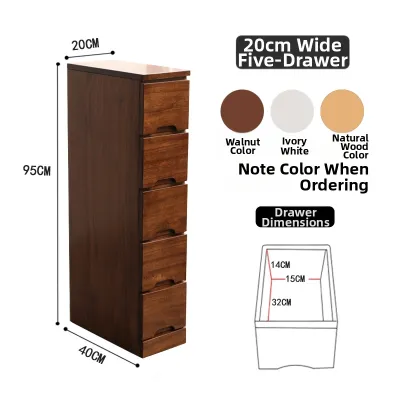
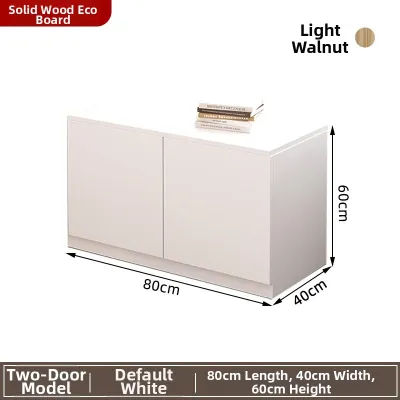
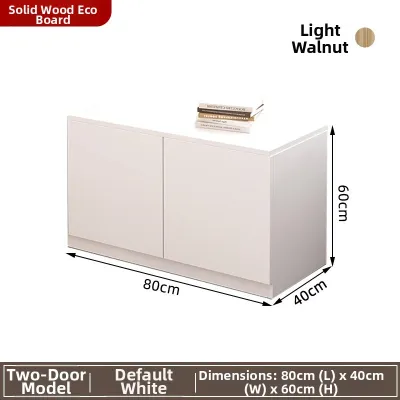


2 Lazada user ratings
hmm... mixed feeling on this. product works but just a little flimsy. certainly something to be used only for a year
package is well packed and received. all 5 drawers are open smoothly.

3 Lazada user ratings
where is item, you said delivered. but i don't got it. pls check before you confirm delivered.
Waiting for delivery by seller fleet

4 Lazada user ratings
The board quality is also very good, cabinet cleaning up is also convenient, the price is quite affordable, there are pictures according to …Read full reviewShow less
The board quality is also very good, cabinet cleaning up is also convenient, the price is quite affordable, there are pictures according to the installation, but also sent to the installation video, very good installation, finishing, also does not take up space, significantly also agile, and after opening there is no pungent smell, the key is cheap. This sideboard is very nice.
Material quality: good material odor: no odor color collocation: white black box transparent glass goods received, packaging exquisite damag…Read full reviewShow less
Material quality: good material odor: no odor color collocation: white black box transparent glass goods received, packaging exquisite damage, business is very considerate, service attitude is very good, easy to install, video, put in the living room is very good grade, like the pro rest assured to buy it.
The wine cabinet is good, thick and textured, sturdy, easy to install, spacious and deep enough to hold a lot of things inside, stable, good…Read full reviewShow less
The wine cabinet is good, thick and textured, sturdy, easy to install, spacious and deep enough to hold a lot of things inside, stable, good-looking and high-end.
Appearance material: It looks very classy and is made of solid wood. I really like it and it's also easy to install

4 Lazada user ratings
It's really good; having cabinet doors makes everything look much neater and cleaner! The color is also very nice.
The cabinet is great, and the installation service was very professional and meticulous.
The bookshelf is really nice. Looking forward to buying from you again.
Design:Product has a decent design
Prices are valid at publication and may change. Please refer to the product page for the latest price.
To determine the finish, consult the manufacturer’s documentation or care label, which is often located on the inside of a cabinet door or drawer box. If documentation is unavailable, a simple touch test can help: sealed finishes feel smooth, hard, and plastic-like, whereas oil or wax finishes have a more natural, textured wood feel. Always prioritize the manufacturer’s specific care guidelines to ensure you do not use unapproved cleaning agents that might void any existing warranties.
Essential Tools and Safe Cleaning Products
Using the correct tools prevents micro-scratches that dull the wood’s appearance over time. Microfiber cloths are the gold standard for wood care because their split fibers trap dust and dirt particles without scratching the surface. Keep several clean cloths on hand: one for dusting, one for damp cleaning, and one for immediate drying.

For intricate carvings, panel grooves, and hardware corners, a soft-bristle brush, such as a clean makeup brush or a soft toothbrush, is highly effective. Avoid using any stiff-bristle brushes, plastic scrubbers, or steel wool, as these will permanently scratch the protective topcoat.
When selecting a cleaning agent, simplicity is key. A few drops of mild, pH-neutral dish soap diluted in a bowl of warm water is highly effective for cutting through kitchen grease and daily grime. Alternatively, you can use a specialized wood cleaner, provided it is explicitly approved by the manufacturer and free from harsh solvents.
There are several common household products you must strictly avoid. Ammonia and bleach will chemically strip or discolor the wood finish, leaving it vulnerable to moisture. Abrasive powder cleansers will wear away the protective layer. Most importantly, avoid commercial aerosol polishes that contain silicone; silicone does not evaporate, but instead creates a permanent, sticky film on the wood that attracts dust and makes future refinishing or touch-ups nearly impossible.
Step-by-Step Guide to Cleaning Solid Wood Cabinets
Step 1: Dry dusting. Before introducing any moisture, thoroughly dust the entire cabinet. Loose dust contains tiny mineral particles that can act like sandpaper if dragged across the wood with a wet cloth. Use a dry, clean microfiber cloth to gently wipe down all surfaces, starting from the top of the cabinet and working your way down, paying close attention to horizontal ledges and decorative trim.
Step 2: Preparing the cleaning solution. Mix a mild cleaning solution by adding two to three drops of gentle dish soap to a bowl of warm water. Stir the mixture until it is slightly sudsy. Dip a clean microfiber cloth into the solution, then wring it out thoroughly. The cloth should feel barely damp, not wet, as excess water is the primary enemy of solid wood and can cause the wood to swell or split if it seeps into joints.
Step 3: Wiping along the wood grain. Wipe the cabinet surfaces gently, always following the direction of the natural wood grain. Wiping across the grain can push dirt into the wood pores or leave visible streaks. Use light, circular motions only if necessary to loosen sticky spots, but immediately follow up with straight strokes along the grain, working on one door or drawer front at a time.
Step 4: Drying the surface immediately. Never allow the cleaning solution to air-dry on the wood. Immediately after wiping a section with the damp cloth, follow up with a separate, dry, lint-free cotton rag or microfiber cloth. Buff the surface dry using gentle, sweeping motions along the grain to remove any remaining moisture and prevent water spots or mineral deposits from forming.
Step 5: Tackling stubborn spots. For sticky grease buildup near stoves or handles, apply a tiny drop of undiluted mild dish soap directly to your damp cloth. Gently rub the spot in the direction of the grain, using minimal pressure. If the sticky residue does not budge, stop immediately; do not scrape the wood with fingernails or sharp tools, and halt the process if you notice any color transfer or if the finish begins to look cloudy.
How to Safely Polish and Protect the Wood
Before applying any polish or wax, determine if your cabinet actually needs it. Modern sealed finishes, such as polyurethane or catalyzed lacquer, are designed to protect the wood without the need for additional polishes. For these cabinets, regular dusting and occasional damp cleaning are sufficient to maintain their appearance, as applying polish often results in a greasy, dull buildup that attracts more dust and fingerprints.
If your cabinet has a traditional oil or wax finish, or if a sealed finish has begun to lose its luster over time, select a high-quality, non-silicone furniture paste wax or a specialized liquid polish recommended by the manufacturer. Paste wax provides a durable, long-lasting barrier against moisture and dust, but it requires more effort to apply, whereas liquid polishes are easier to apply but offer less long-term protection.
To apply paste wax or polish, place a small amount of the product onto a soft, lint-free cotton cloth rather than applying it directly to the wood. Work in small, manageable sections, spreading the product in a thin, even layer along the wood grain. A common mistake is applying too much product, which leads to a sticky, uneven finish that is difficult to buff out.
Allow the wax or polish to dry according to the product instructions, which typically takes a few minutes until it develops a slightly hazy appearance. Once dry, use a clean, dry microfiber cloth to buff the surface. Use firm, circular motions to polish the wood to a natural, warm shine, then finish with long strokes along the grain to remove any excess product and ensure a smooth, non-sticky protective barrier.
Common Mistakes and When to Stop
One of the most common mistakes in wood care is using excessive water. Wood is a hygroscopic material, meaning it naturally absorbs and releases moisture. Excess water can penetrate the finish through microscopic cracks, causing the wood fibers to swell, warp, or split at the joints. Always ensure your cleaning cloths are thoroughly wrung out.
Another critical error is spraying cleaning solutions directly onto the cabinet surface. This can cause the liquid to pool in corners, hinges, or decorative grooves, leading to localized water damage, wood rot, or hardware corrosion. Always spray or apply cleaners onto your cloth first. Additionally, protect your cabinets from environmental stressors by keeping them out of direct sunlight, which can fade the wood, and away from direct heat sources like radiators or ovens, which can dry out and crack the timber.
You must establish clear stop conditions during your DIY cleaning process. If you observe the finish becoming cloudy, sticky, soft, or if the wood color starts transferring onto your cleaning cloth, stop immediately. These are signs that the cleaning agent is reacting chemically with the finish or that the finish itself is degrading.
If your solid wood cabinet has deep scratches that penetrate the finish, persistent white water rings, dark water stains, or structural issues like warping or splitting, do not attempt to fix them with standard cleaning or polishing products. These issues require the expertise of a professional furniture restorer. A professional can safely strip, repair, and refinish the wood without compromising its structural integrity or historical value.
Frequently Asked Questions (FAQ)
How often should I polish my solid wood cabinets?
Modern cabinets with sealed finishes like polyurethane or lacquer rarely need polishing; a simple dusting weekly and a damp wipe-down every few months is sufficient. For cabinets with traditional oil or wax finishes, polishing or re-waxing is typically only necessary once or twice a year, depending on the level of wear and environmental humidity. Over-polishing leads to product buildup, which dulls the wood’s natural grain and creates a sticky surface that attracts dust. Always refer to the manufacturer’s guidelines to establish a safe maintenance schedule.
Can I use vinegar to clean my wood cabinets?
You should avoid using vinegar to clean solid wood cabinets. Although vinegar is a popular natural household cleaner, its highly acidic nature can chemically break down and dull the protective topcoat of your wood over time. This acid erosion leaves the raw wood vulnerable to moisture, staining, and physical wear. Instead of vinegar, opt for pH-neutral cleaning agents, such as highly diluted mild dish soap or specialized wood cleaners, which safely lift dirt without compromising the integrity of the finish.

Community discussion
Share your experience or ask a question. Comments are reviewed before publication.