
Rattan furniture brings a warm, organic aesthetic to living spaces, but its intricate, woven texture presents unique maintenance challenges. Dust easily settles deep within the crevices of the weave, while high-humidity environments—such as Singapore’s tropical climate—create prime conditions for mold and mildew to thrive. To keep your rattan pieces looking pristine and structurally sound, you must implement a consistent care routine that balances thorough dust removal with strict moisture control. This guide outlines the essential steps to safely clean, treat, and protect both natural and synthetic rattan furniture without compromising its delicate fibers.
Identifying Your Rattan Type Before Cleaning
Before applying any cleaning solution or tool to your furniture, you must determine whether your piece is made of natural rattan or synthetic resin. Natural rattan is harvested from climbing palms and features organic variations in color, visible joints, and a porous, fibrous texture that feels warm to the touch. Synthetic rattan, often referred to as polyethylene (PE) or resin wicker, is engineered from plastics to mimic the look of natural fibers, resulting in a highly uniform weave, a smooth, slightly glossy surface, and a cooler tactile feel.
To confirm the material, inspect the underside of the furniture for manufacturer tags, care labels, or refer back to your original purchase records. These documents often specify whether the item is rated for outdoor use or if it carries strict chemical and moisture restrictions.
Products mentioned in this guide
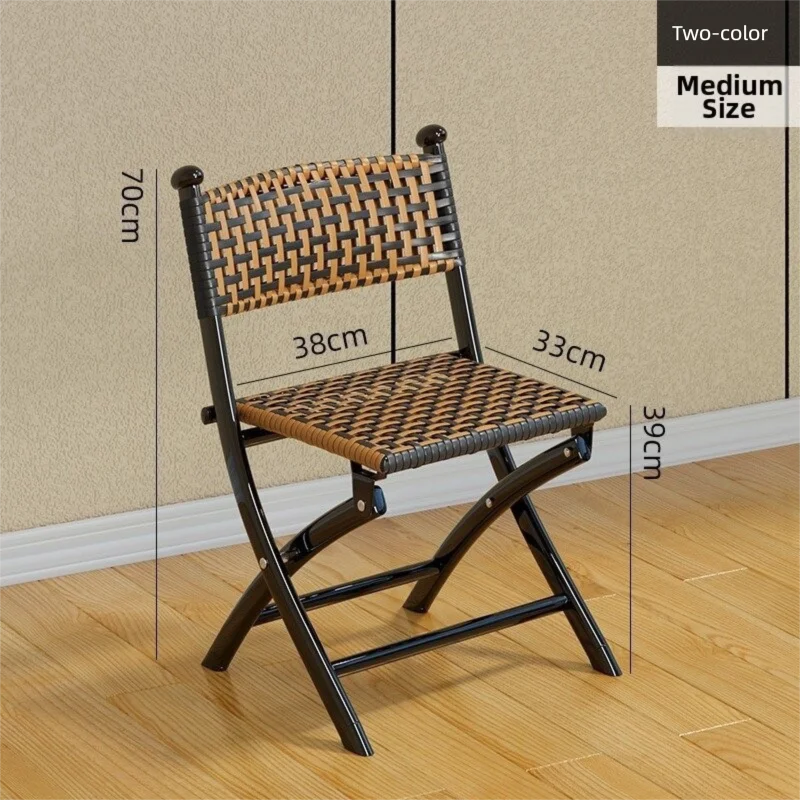
1 Lazada user ratings
well pack. nice chair, same as published. thank u seller.
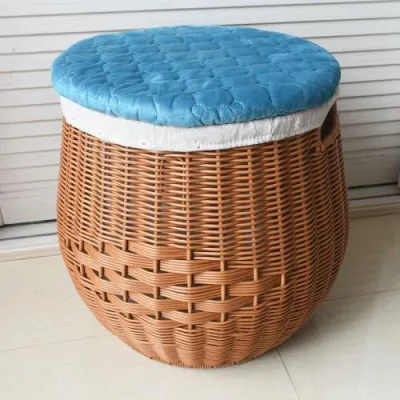
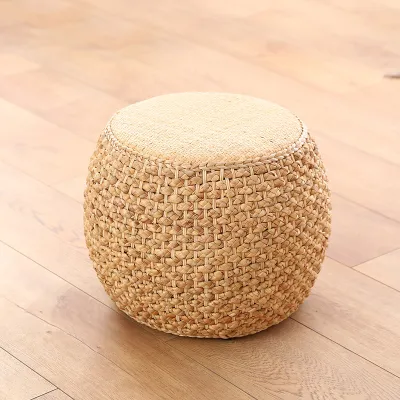


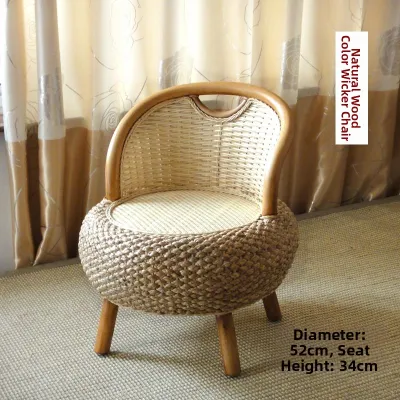

30 Lazada user ratings
No smell. Looks great with the wooden table and the color is really nice. Has a high-quality feel to it.
It's really well-made, the seat is comfy, and it was super easy to set up! I'm really happy with it!
The stool has a nice feel to it, and it looks pretty good paired with a round table.
The natural wood color is fresh and elegant, matching my home's style perfectly!
Prices are valid at publication and may change. Please refer to the product page for the latest price.
Distinguishing between the two is critical because natural rattan is highly sensitive to water; excessive moisture can cause the organic core to swell, warp, weaken, or develop deep-seated internal mold that is nearly impossible to eradicate. Synthetic rattan, on the other hand, is non-porous and highly water-resistant, allowing for slightly more flexible cleaning methods, though it still requires gentle handling to avoid unraveling the weave.
Tools and Safe Cleaning Solutions
Equipping yourself with the correct, low-risk tools is the first step toward preventing accidental damage to the woven fibers during cleaning. For routine dust extraction, you will need a soft-bristle brush—such as a clean paintbrush or a soft toothbrush—along with a vacuum cleaner equipped with a crevice tool or a dusting brush attachment. Microfiber cloths are also essential, as their split fibers trap dust particles effectively without snagging on loose ends of the weave.

When a liquid cleaning agent is necessary, stick to a baseline safe solution consisting of a few drops of mild dish soap mixed into a bucket of warm water. The goal is to create a gentle, low-sudsing mixture that lifts surface grime without leaving a sticky residue that could attract more dirt.
You must strictly avoid harsh chemical cleaners, bleach, ammonia, and abrasive scrubbing pads, as these can strip away protective clear coats, discolor natural fibers, and degrade synthetic resins. Additionally, never saturate natural rattan with excessive water or submerge any part of the furniture, as trapped moisture will rapidly deteriorate the structural integrity of the organic material.
Step-by-Step Routine Cleaning for Dust Prevention
A disciplined dusting routine is your primary defense against the buildup of abrasive particles that can wear down the finish of your rattan furniture over time. Begin by using your vacuum cleaner’s soft brush attachment to sweep gently across the woven surface, moving in the direction of the weave to lift loose dust from the crevices. For tighter gaps and overlapping joints where dust tends to settle, use a dry, soft-bristle paintbrush to flick out stubborn debris before vacuuming the area again.
Once the dry dust is removed, prepare your mild soapy water solution and dip a clean microfiber cloth into the mixture. Wring the cloth out thoroughly until it is barely damp to the touch; it should feel almost dry, ensuring you do not introduce unnecessary moisture to the fibers. Wipe down the entire surface of the furniture, paying close attention to high-contact areas like armrests and seat frames, while ensuring no water pools in the joints or beneath the cushions.
After wiping, immediately establish an active drying protocol to eliminate any residual moisture before anyone sits on the furniture. Position the piece in a well-ventilated room with ceiling fans running, turn on an air conditioner to lower the ambient humidity, or open windows to facilitate natural cross-ventilation. Never place cushions back onto the furniture until both the frame and the fabric are completely dry, as trapped moisture between these surfaces is a primary catalyst for mold growth.
Treating and Removing Mold on Rattan Furniture
If you notice discoloration or a musty odor, you must perform an initial assessment to distinguish harmless surface dust from active mold growth. Surface dust is dry, easily brushed away, and uniform in color, whereas active mold or mildew typically appears as fuzzy, spotty, or discolored patches in shades of white, green, grey, or black.
To treat active mold safely, first conduct a mandatory spot test by applying your chosen cleaning solution to a hidden area, such as the underside of a leg, to ensure it does not discolor the finish. If the spot test is successful, lightly dampen a soft-bristle toothbrush with a diluted mixture of equal parts white vinegar and warm water, or a mild soapy solution. Gently scrub the affected areas, focusing on the crevices where mold spores tend to anchor, taking care not to scrub so hard that you fray the natural fibers.
Once the mold is lifted, wipe the area with a clean, damp cloth that has been thoroughly wrung out, then transition immediately to a controlled drying strategy. Use an indoor dehumidifier or direct a portable fan toward the treated area to accelerate moisture evaporation without exposing the natural rattan to prolonged, direct afternoon sunlight. While sunlight can kill mold spores, the intense heat and UV rays of a tropical climate can dry out natural rattan too quickly, making the fibers brittle and prone to cracking.
You must establish clear stop conditions for your DIY treatment; if the mold has penetrated deep into the core of the rattan reeds, or if the frame feels soft, spongy, or structurally compromised, halt your efforts immediately. Attempting to scrub deep-seated rot can cause the weakened fibers to snap, indicating that the damage has progressed beyond surface-level cleaning.
Preventative Maintenance in Humid Climates
Long-term preservation of rattan furniture in high-humidity regions requires strategic placement and environmental management. Position your natural rattan pieces indoors or in fully sheltered areas, keeping them away from open balconies where direct rain can saturate them, and avoiding high-humidity zones like unventilated bathrooms or kitchens. Additionally, shield the furniture from harsh, direct afternoon sunlight to prevent the natural fibers from drying out and splitting.
During monsoon seasons or periods of persistent high humidity, actively manage your indoor climate to protect your furniture. Running an air conditioner or a dedicated dehumidifier helps maintain stable indoor humidity levels, significantly reducing the environmental moisture that mold spores require to germinate.
To add an extra layer of defense, consider applying a manufacturer-approved sealant, wax, or clear lacquer designed specifically for natural rattan. Always check the furniture’s original care instructions before application, and apply the product sparingly with a soft cloth, ensuring it is completely buffed out so it does not leave a sticky residue.
Finally, make it a habit to rotate and flip your seat cushions regularly to prevent moisture from becoming trapped against the woven seat deck. Ensuring there is adequate clearance and airflow around the base of the furniture prevents stagnant, humid air from settling around the lower joints, keeping the entire piece dry and well-ventilated.
Recognizing Damage and When to Seek Professional Help
While routine cleaning can extend the lifespan of your rattan furniture, you must be able to recognize when wear has progressed beyond DIY maintenance. Signs of irreversible damage include severe fraying of the structural wraps, broken core reeds that compromise the seat support, deep-set black mold that has softened the wood, or a noticeable wobble in the frame.
Attempting to repair broken structural joints or treat severe fungal rot at home can be unsafe, as compromised load-bearing elements may fail unexpectedly during use. Home remedies are generally ineffective against deep structural decay, and improper binding techniques can further damage the surrounding weave.
When these issues arise, consult a professional furniture restoration specialist or contact the original manufacturer to assess the damage. They can provide safe, specialized repair options, such as re-weaving broken sections or applying industrial-grade wood stabilizers, ensuring your furniture remains safe and functional.
Frequently Asked Questions (FAQ)
Can I use a pressure washer to clean outdoor rattan furniture?
No, you should never use a pressure washer on any type of rattan furniture, as the high-pressure water stream can easily strip away protective finishes, unravel the delicate weave, and force water deep into the core of natural fibers. For synthetic resin rattan, a gentle rinse with a standard garden hose is acceptable only if explicitly permitted by the manufacturer’s care label, followed by thorough air-drying.
How often should I deep clean my rattan furniture?
You should perform a light dry dusting and vacuuming once a week to prevent abrasive debris from settling into the weave. A deeper damp cleaning with a mild soap solution is recommended every three to six months, though you may need to increase this frequency during high-humidity monsoon seasons or if you have indoor pets.
Is it safe to use oil or wax on all types of rattan?
No, conditioning oils and waxes should only be applied to natural rattan furniture, and only when specifically recommended by the manufacturer’s care guidelines. Synthetic resin rattan is non-porous and cannot absorb these products; applying oil or wax to synthetic fibers will leave a sticky, greasy residue on the surface that actively attracts dust, dirt, and pet hair.
Community discussion
Share your experience or ask a question. Comments are reviewed before publication.