
Choosing the right wooden storage cabinet for Singapore’s tropical climate requires looking beyond the species of wood. While many homeowners search for a single wood type to combat high humidity, the reality is that no raw timber or engineered board can withstand persistent moisture without proper manufacturing, sealing, and finishing. Instead of relying solely on material labels like “solid wood” or “plywood” to guarantee longevity, you must evaluate the cabinet’s surface treatments, edge sealing quality, and overall structural stability. A well-sealed engineered board will often outperform an untreated or poorly finished premium hardwood when exposed to Singapore’s year-round humidity.
Understanding Humidity's Impact on Wooden Storage Cabinets
Singapore’s relative humidity frequently hovers above 80%, creating a challenging environment for indoor furniture. Wood is a hygroscopic material, naturally absorbing and releasing moisture from the surrounding air. When a wooden cabinet is placed in a highly humid room, the wood fibers swell as they take in water vapor. If this absorption is uneven, the wood can warp, twist, or split, eventually weakening joints and causing doors to misalign.
Beyond physical deformation, high humidity combined with stagnant air creates an ideal breeding ground for mold and mildew. Enclosed closet spaces, particularly those built against external walls, are highly susceptible to fungal growth. Mold not only damages the aesthetic and structural integrity of the cabinet but also ruins stored clothing and linens, leaving behind persistent musty odors.
Products mentioned in this guide
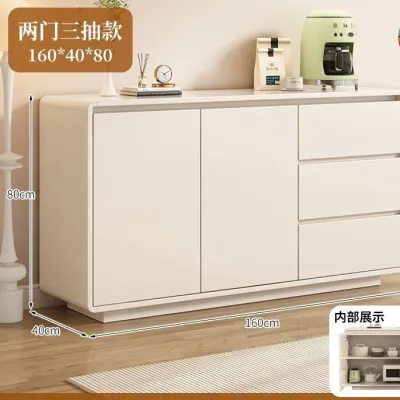
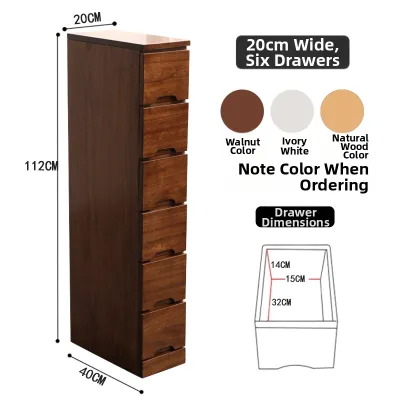
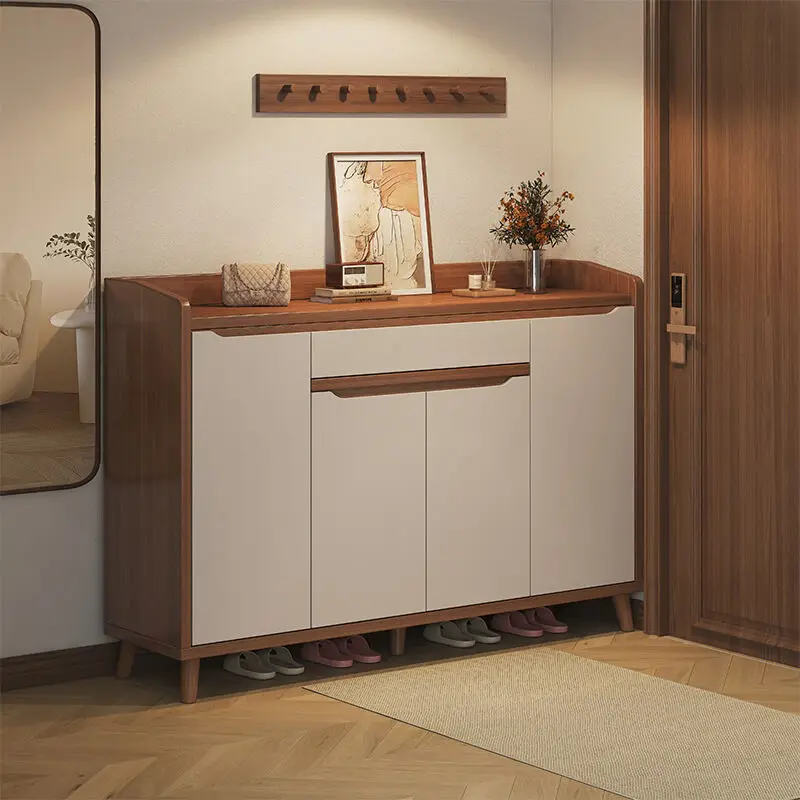
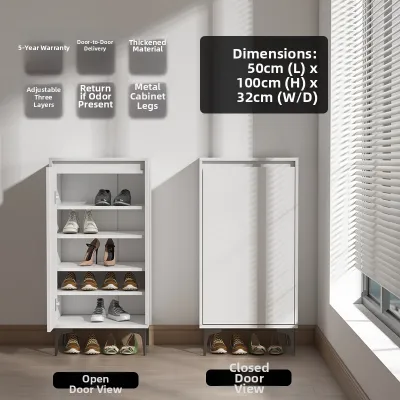
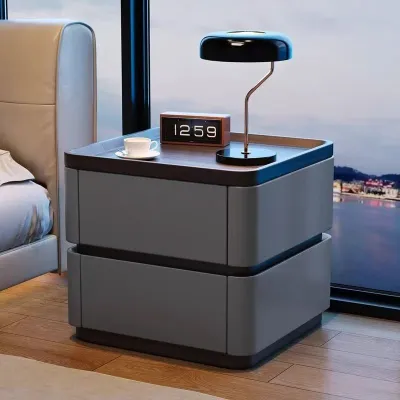
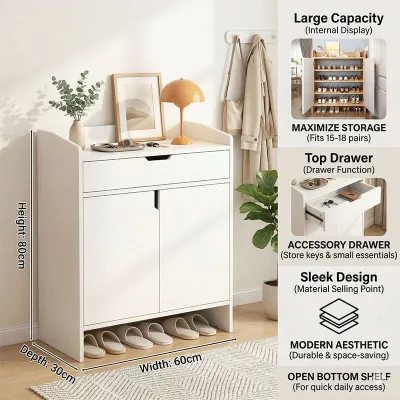
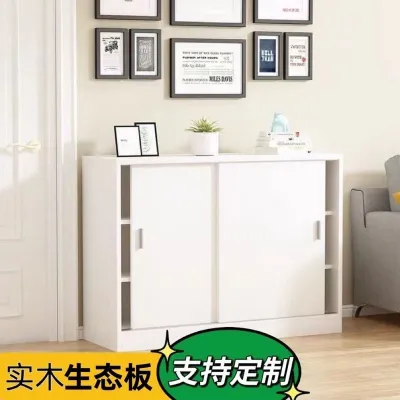
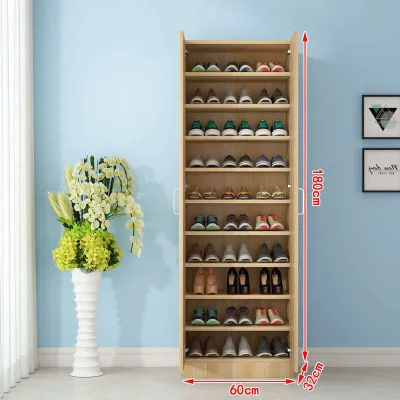
Prices are valid at publication and may change. Please refer to the product page for the latest price.
It is also crucial to distinguish between ambient room humidity and localized moisture traps. While your bedroom might feel comfortable due to air conditioning, the interior of a closed wardrobe can trap pockets of stagnant, humid air. This microclimate often has a much higher relative humidity than the rest of the room, especially if damp clothes are stored inside or if the cabinet back panel is pressed tightly against a cold concrete wall.
Evaluating Solid Wood vs. Engineered Boards for Moisture Resistance
When shopping for closet organizers, the debate often centers on solid wood versus engineered options like plywood, medium-density fibreboard (MDF), or particleboard. However, focusing purely on these material names can be misleading. A raw piece of solid oak or teak can warp just as easily as cheap particleboard if it is not properly seasoned, sealed, and maintained. The key to moisture resistance lies in the manufacturing quality, the types of adhesives used, and the protective coatings applied to the exterior surfaces.

Instead of assuming that solid wood is inherently more durable or that engineered boards are bound to fail, buyers should assess how each material is prepared to handle moisture. High-quality engineered boards designed with moisture-resistant resins can offer strong dimensional stability, while poorly finished solid wood can succumb to the elements within a few seasons. Understanding these specific protective requirements allows for a more practical and reliable purchasing decision.
Solid Wood and Plywood Considerations
Solid wood cabinets possess natural beauty and robust structural strength, but they require careful selection in humid climates. Because solid wood retains its cellular structure, it continues to move in response to humidity fluctuations. To minimize this movement, verify that the timber has undergone a proper kiln-drying process before manufacturing. Kiln-drying reduces the wood’s moisture content to a stable level, making it less prone to dramatic warping. Additionally, look for cabinets that utilize stable joinery techniques, such as mortise-and-tenon joints, which allow the wood to expand and contract naturally without cracking.
Plywood is an engineered wood made by gluing thin sheets of wood veneer together in alternating grain directions. This cross-grain construction gives plywood high dimensional stability, making it highly resistant to warping and bending under humid conditions. When selecting a plywood storage cabinet, check the manufacturer’s specifications regarding the adhesive used. Moisture-resistant glues prevent the layers from delaminating when exposed to damp air. Furthermore, the outer surface must be sealed with a high-quality veneer, laminate, or protective lacquer to prevent moisture from penetrating the inner core.
MDF and Particleboard Limitations and Edge Sealing
Medium-density fibreboard (MDF) and particleboard are popular choices for modern storage cabinets due to their smooth surfaces and cost-effectiveness. However, these materials consist of compressed wood fibers or chips held together by wax and resin binders, making them highly vulnerable to water ingress. If moisture penetrates the protective outer layer, the internal fibers absorb water rapidly, causing the board to swell, crumble, and lose its structural integrity. This swelling is irreversible, meaning the board will not return to its original shape even after drying.
Because of this vulnerability, MDF and particleboard cabinets must feature complete edge sealing to be viable in Singapore’s climate. Every exposed edge, including drill holes for adjustable shelves and the bottom edges of panels, must be completely sealed. Look for cabinets that utilize full PVC or ABS edge banding, which are applied using high-temperature adhesives to create a watertight barrier. Additionally, check if the manufacturer specifies the use of moisture-resistant (MR) or high-moisture-resistant (HMR) boards, which incorporate specialized hydrophobic resins during manufacturing.
Critical Structural and Finish Checks for Humid Environments
Before purchasing any wooden storage cabinet, conducting a thorough physical inspection of the finishes and structural details is essential. Start by examining the surface coatings. Bare or oiled wood finishes offer minimal protection against high humidity; instead, look for robust finishes such as polyurethane lacquers, high-pressure laminates (HPL), or melamine veneers. These synthetic barriers prevent moisture from contacting the wood fibers directly. Verify the manufacturer’s specifications to ensure these coatings are rated for moisture resistance and are applied uniformly across all visible and hidden surfaces.
Edge banding requires meticulous inspection. Run your fingers along the edges of the cabinet doors, shelves, and side panels to check for any lifting, gaps, or sharp, unsealed seams. Even a microscopic gap can allow humid air to seep into the core material over time. Pay close attention to the hidden areas, such as the back panels of the cabinet and the undersides of shelves, as manufacturers sometimes leave these sections raw or poorly sealed to cut costs. A highly moisture-resistant cabinet will feature consistent, gap-free edge sealing on all sides of every component.
Hardware and ventilation are equally critical to the cabinet’s long-term durability. High humidity accelerates the rusting of metal components, which can lead to squeaky hinges, jammed drawer slides, and stained wood. Ensure the cabinet uses rust-resistant hardware, such as stainless steel or specially coated hinges and tracks. Furthermore, look for designs that incorporate ventilation features. This can include small ventilation grilles, breathable back panels, or intentional gaps between the doors and the frame. Proper airflow prevents the accumulation of stagnant, humid air inside the cabinet, significantly reducing the risk of mold growth on both the furniture and your stored belongings.
Space, Assembly, and Maintenance Planning for Closet Organizers
Successful integration of a wooden storage cabinet into your home involves careful pre-purchase planning and ongoing maintenance. Before ordering, measure your available space accurately, keeping in mind the delivery and assembly process. In Singapore, navigating tight corridors, elevators, and doorways is a common challenge. Ensure there is sufficient clearance to transport the cabinet pieces safely to the designated room. Forcing large panels through tight spaces can scratch the protective surface coatings or crack the edge banding, compromising the cabinet’s moisture resistance before it is even assembled.
When positioning the cabinet, avoid placing it directly against external walls, which tend to run colder and accumulate condensation during heavy rainstorms. Leave a gap of at least two to five centimeters between the back of the cabinet and the wall to facilitate continuous airflow. This simple placement rule prevents localized moisture traps and reduces the likelihood of mold developing on the rear panel. If you are installing a built-in wardrobe, ensure the surrounding masonry is completely dry and treated with a moisture barrier before mounting the wooden structure.
Routine care is vital to preserving the integrity of your wooden storage cabinet. To manage internal humidity, consider placing reusable dehumidifier tubs, silica gel packets, or hanging moisture absorbers inside the cabinet sections. These devices help extract excess moisture from the trapped air, protecting both the wood and your garments. When cleaning, always follow the manufacturer’s instructions. Avoid using water-heavy cleaning methods, wet cloths, or harsh chemical sprays that can degrade the protective lacquer or laminate. Instead, wipe the surfaces with a slightly damp microfiber cloth and immediately follow up with a dry cloth to remove any residual moisture.
Frequently Asked Questions (FAQ)
Can I use solid teak or other tropical woods for indoor storage cabinets?
Yes, solid teak and other tropical hardwoods are highly regarded for their natural oils, which provide inherent resistance to rot and insects. However, when used for indoor storage cabinets, these woods still require proper kiln-drying and finishing to prevent warping caused by indoor climate control systems, such as air conditioning. Always check the product labels to ensure the cabinet is rated for indoor use, and review the manufacturer’s warranty conditions regarding humidity and environmental exposure.
How do I know if a wooden storage cabinet has adequate moisture protection?
To verify moisture protection, look for specific manufacturer documentation indicating the use of moisture-resistant cores, such as HMR particleboard or marine-grade plywood. Conduct a physical inspection to confirm that all edges are sealed with seamless PVC or ABS banding, and check that the back panels and shelf undersides are fully finished. Additionally, ensure the cabinet features rust-resistant hardware and design elements that promote internal airflow.
Community discussion
Share your experience or ask a question. Comments are reviewed before publication.