
Selecting wooden dining chairs for a home in Singapore requires a careful balance of aesthetics and material science. The primary challenge is the region’s tropical climate, characterized by consistently high relative humidity and warm temperatures. Without the right material preparation and construction, wooden furniture can easily succumb to structural issues over time.
There is no single wood species that can be declared universally perfect for every home. Instead, the most resilient wooden dining chairs are those crafted from dense, naturally oily hardwoods or high-quality engineered woods that have been thoroughly kiln-dried and sealed with a moisture-resistant finish. To make an informed purchase, you must look beyond the wood species name and evaluate specific manufacturing treatments, joinery methods, and protective coatings.
By understanding how wood interacts with moisture and knowing what structural details to inspect in the showroom, you can select dining chairs that maintain their stability, comfort, and appearance for years to come.
Products mentioned in this guide
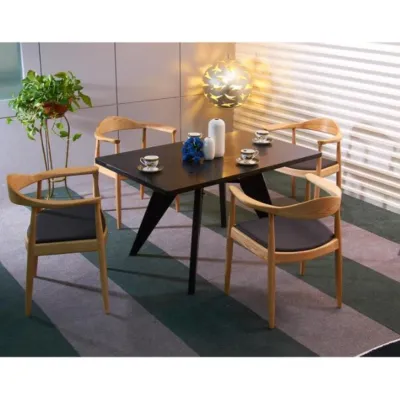
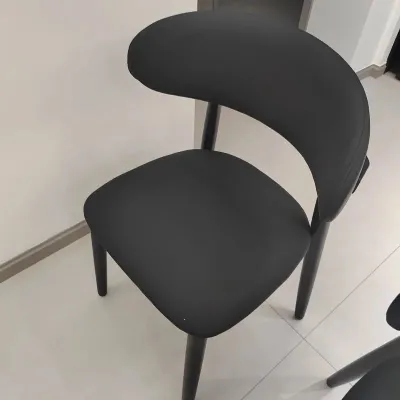
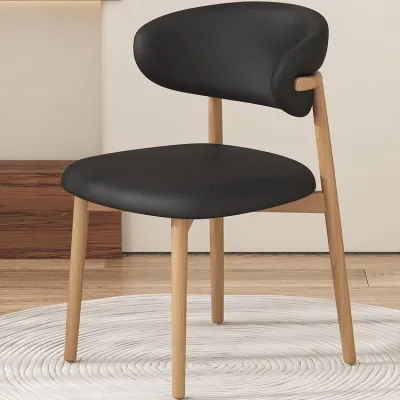
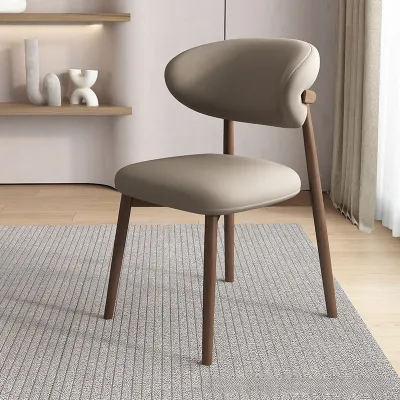
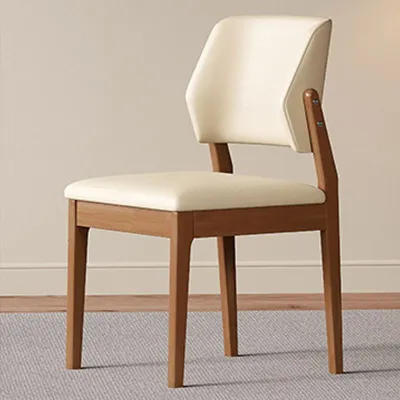
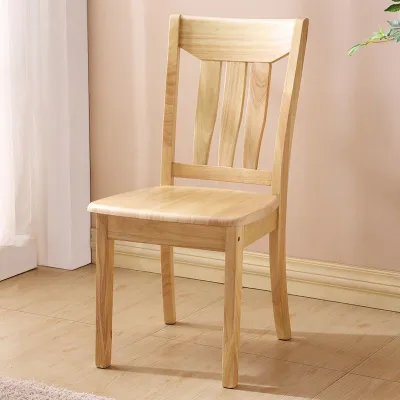
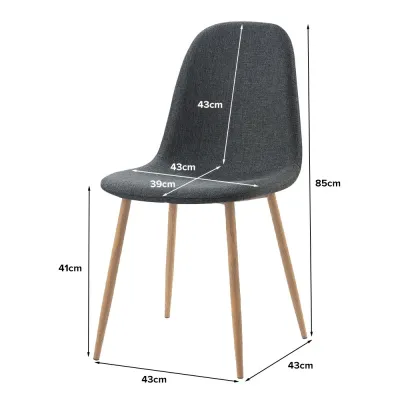
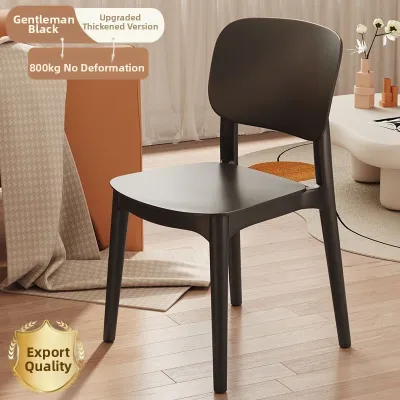
Prices are valid at publication and may change. Please refer to the product page for the latest price.
Understanding Wood Behavior in Tropical Humidity
Wood is a natural, hygroscopic material, which means it constantly interacts with the surrounding atmosphere. It absorbs moisture when the air is humid and releases it when the air becomes dry. In Singapore, where indoor spaces often transition between humid ambient air and dry, air-conditioned environments, wooden dining chairs undergo continuous cycles of expansion and contraction.
When wood absorbs moisture, its fibers swell, causing the material to expand across the grain. Conversely, when the surrounding air dries out, the wood contracts. If this movement occurs too rapidly or unevenly, it places immense physical stress on the furniture. This stress can manifest as warping, where flat surfaces bend or twist, or checking, which refers to small cracks opening up along the wood grain.
Moisture fluctuations also target the joints of a dining chair. As the wood pieces expand and contract in different directions, the structural connections can weaken. Over time, this leads to loose joints, wobbling, and a general loss of structural integrity. A chair that feels solid in a climate-controlled showroom may begin to show signs of joint loosening after a few months in a naturally ventilated dining room.
Because of these natural characteristics, a wood species name alone does not guarantee performance. While certain hardwoods like teak or oak possess natural properties that aid in moisture resistance, their durability in a tropical climate depends entirely on how the timber was processed. You must verify the manufacturer’s specifications regarding moisture content and tropical suitability rather than relying solely on the reputation of the wood type.
Key Factors to Evaluate When Selecting Wooden Dining Chairs
Protective Surface Finishes
A high-quality surface finish serves as the first line of defense against ambient humidity. When evaluating wooden dining chairs, check the product specifications or ask the retailer about the type of sealant applied to the wood. Polyurethane, lacquer, and specialized outdoor-grade oils are highly effective at creating a barrier that slows down the rate of moisture exchange.

It is equally important to inspect the application of the finish. Run your hands along the underside of the seat, the bottom of the legs, and the joint connections. A well-constructed chair will have these hidden areas sealed just as thoroughly as the visible surfaces. If the underside is left raw or poorly finished, it will absorb moisture faster than the sealed top surface, leading to uneven expansion and eventual warping.
Joinery and Construction Methods
The structural design of a dining chair determines how well it tolerates natural wood movement. Look for chairs constructed with traditional mechanical joints, such as mortise-and-tenon or dowel joinery, reinforced with corner blocks and screws. These methods allow the wood to expand and contract slightly without compromising the overall stability of the frame.
Avoid chairs that rely primarily on simple butt joints held together only by glue, staples, or thin nails. High humidity can cause standard wood glues to soften or degrade over time, especially when subjected to the daily stress of supporting weight. Mechanical fasteners and interlocking wood joints ensure the chair remains safe and stable even if the adhesive begins to weaken.
Kiln-Drying and Wood Treatment
Before raw timber is transformed into furniture, it must undergo a controlled drying process to reduce its internal moisture content. Kiln-drying is the industry standard for preparing wood for indoor use. This process heats the wood in a chamber to bring its moisture level down to a stable percentage, typically between 8% and 12%.
When shopping, ask the retailer if the wood used in the dining chairs was kiln-dried specifically for tropical climates. Wood that has only been air-dried or seasoned for a dry, temperate climate will contain too much residual moisture or react violently when exposed to Singapore’s humid air. Properly kiln-dried wood is far more stable and significantly less likely to warp or split after installation.
Weight, Density, and Stability
The physical density of the wood plays a major role in its resistance to moisture penetration. Denser hardwoods generally have tighter grain structures, making it harder for water vapor to penetrate the fibers. You can often assess this density in the showroom by lifting the chair; a high-quality, moisture-resistant chair should feel solid and substantial.
Perform a physical stability test by sitting on the chair and gently shifting your weight. Check for any flexing in the legs or creaking sounds in the frame. Ensure the finished dimensions of the chair are compatible with your dining table and room layout, allowing enough clearance to pull the chairs out without scraping them against walls or other furniture, which can chip the protective finish.
Solid Wood vs. Engineered Wood for Dining Chairs
Solid wood dining chairs are highly valued for their natural beauty, unique grain patterns, and long-term repairability. Because they are made from solid timber, they can be sanded down, repaired, and refinished multiple times over their lifespan. However, solid wood remains dynamic and will always react to humidity changes, requiring careful environmental management to prevent warping.
Engineered wood, such as high-quality plywood or medium-density fiberboard (MDF) topped with a natural wood veneer, offers a different set of advantages. Because engineered wood is constructed from layers of wood fibers bonded with adhesives in alternating directions, it is highly stable. It does not expand or contract significantly in response to humidity, making it highly resistant to warping and cracking.
However, engineered wood has a critical vulnerability: moisture ingress at the edges. If you choose engineered wooden dining chairs, closely inspect the quality of the edge banding and veneer joints. If the protective veneer peels or if moisture penetrates the seams, the inner core can swell and delaminate, which is generally irreversible. Solid wood offers greater overall durability and lifespan, while engineered wood provides excellent dimensional stability at a typically lower price point.
Maintenance and Care to Prevent Warping
To preserve the integrity of your wooden dining chairs, establish a gentle, routine cleaning regimen. Dust the chairs regularly with a dry, soft microfiber cloth. For spills, use a slightly damp cloth and immediately follow up with a dry cloth to remove any residual moisture. Never use harsh chemical cleaners, abrasive scrubs, or ammonia-based products, as these can degrade the protective finish and expose the raw wood to the air.
Managing the indoor environment is also key to preventing wood damage. Position your dining chairs away from direct sunlight, as intense heat and UV rays can dry out the wood unevenly, leading to surface cracks and fading. Ensure your dining area has consistent airflow, especially if it is located near a kitchen or balcony. Using ceiling fans or maintaining moderate ventilation helps prevent pockets of stagnant, highly humid air from affecting the furniture.
While routine care can prevent most issues, you should know when to seek professional assistance. If you notice that a chair’s joints have become loose or if the protective lacquer is peeling extensively, avoid temporary DIY fixes like applying household glue. Consult the manufacturer’s care guidelines or contact a professional furniture restorer to ensure the repairs are done safely and without voiding any warranties.
Frequently Asked Questions (FAQ)
Does air conditioning protect wooden dining chairs from humidity damage?
Air conditioning does lower indoor humidity, which can help stabilize wooden furniture. However, rapid and frequent fluctuations in temperature and moisture levels can actually cause more stress to the wood than a constant, humid environment. If you frequently turn your air conditioning on and off, or if your dining chairs are placed directly under a cooling vent, the wood may expand and contract too rapidly. It is best to maintain a stable, moderate indoor climate and keep wooden furniture away from direct drafts.
How can I tell if a wooden dining chair's finish is failing due to humidity?
A failing finish typically presents clear visual and tactile warning signs. You may notice a cloudy or hazy appearance on the wood surface, white rings from moisture exposure, or a sticky, rough texture. In advanced stages, the finish may begin to crack, flake, or peel away entirely, particularly around the joints and edges. Before attempting to sand or refinish the chair yourself, consult the manufacturer’s warranty and care instructions to avoid causing permanent damage to the wood.
Community discussion
Share your experience or ask a question. Comments are reviewed before publication.