
Choosing the right waterproof fabric for furniture reupholstery and repair requires matching the material’s technical specifications to your specific environment and structural needs. Whether you are restoring a worn-out balcony chair exposed to Singapore’s tropical humidity or protecting a dining seat from daily spills, the ideal fabric must balance water resistance, flexibility, and durability. By verifying manufacturer labels, checking backing compatibility, and preparing your furniture frame properly, you can ensure a long-lasting and professional-looking repair.
Assessing Your Furniture Repair Needs
To narrow down your fabric choices, first define where the furniture will sit and how it will be used. Indoor dining chairs prone to occasional spills require different protection than outdoor patio sets exposed to heavy rain and high humidity. While water-resistant fabrics might handle a quick splash in a sheltered living room, fully waterproof options are necessary for open-air balconies or poolside loungers.
Next, evaluate the daily wear and tear the piece must endure. High-traffic seating, especially in homes with pets or daily use, demands a fabric with high abrasion resistance to prevent premature thinning. Check the manufacturer’s durability ratings, often measured in double rubs, to ensure the material can withstand constant friction.
Products mentioned in this guide
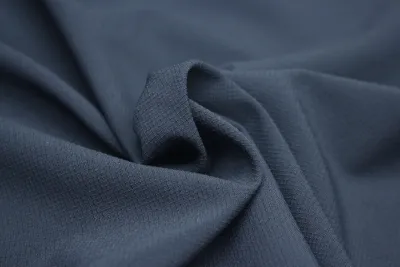
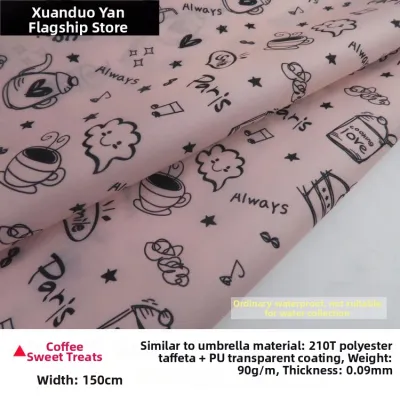
Prices are valid at publication and may change. Please refer to the product page for the latest price.
Finally, examine the existing furniture structure to ensure compatibility with your chosen fabric. Heavyweight materials require sturdy frames and robust padding to hold their shape, while lighter, more flexible fabrics are better suited for intricate curves and deep tufting. Matching the fabric’s weight and stretch to the original design prevents puckering and structural strain.
Comparing Common Waterproof Fabric Materials
When shopping for materials, do not rely solely on generic terms like “waterproof” or “water-resistant” on the bolt or listing. Always verify these claims by checking the manufacturer’s product specifications, testing standards, and care tags. True performance depends on the specific construction and finish of the textile rather than the fiber name alone.

Many waterproof fabrics rely on specialized surface treatments, such as polyurethane coatings or laminated backings, which significantly alter the material’s hand feel and breathability. These treatments can make the fabric stiffer, requiring specific sewing machine needles and tension adjustments during installation. They also limit airflow, which is an important consideration for seating comfort in warm climates.
Additionally, review the manufacturer’s guidelines regarding UV exposure limits and cleaning restrictions. Some water-resistant treatments degrade quickly under direct sunlight or when exposed to harsh household detergents. Selecting a fabric with documented UV resistance is crucial for any furniture placed near large windows or outdoors.
Vinyl and Faux Leather Options
Vinyl and faux leather are popular choices for high-moisture and high-spill environments due to their non-porous surfaces. When evaluating these options, check the product labels for overall thickness and the composition of the backing material, such as knit polyester or cotton. A high-quality backing ensures the vinyl stretches evenly without tearing at the staple lines.
Maintenance for these materials typically involves simple surface wiping, but you must verify if the manufacturer recommends specific conditioners. Without proper care, some vinyl formulations can dry out and crack over time when exposed to body oils or sunlight. Avoid using alcohol-based cleaners unless the product label explicitly states they are safe.
For outdoor or high-humidity settings, check the manufacturer’s stated environmental limits and seam-sealing requirements. Because sewing needles puncture vinyl and create permanent holes, water can seep into the underlying foam unless you apply a compatible seam sealant or use specialized sewing techniques.
Treated Synthetics (Polyester, Olefin, Acrylic)
Woven synthetic fabrics made from polyester, olefin, or acrylic often rely on factory-applied chemical treatments, such as durable water repellent (DWR) coatings, to shed water. Before purchasing, verify the specific treatment used and its expected lifespan. Some coatings are designed to last for years, while others may require periodic reapplication to maintain their water-shedding properties.
Check the fabric weight and weave density to ensure the material can handle the structural tension of your furniture piece. A tight, dense weave naturally resists water penetration better than a loose weave, even before treatments are applied. Ensure the fabric’s tensile strength matches the demands of spring-loaded or highly tensioned seats.
Review the care instructions carefully to confirm whether the fabric allows machine washing or requires strict spot-cleaning. Using the wrong cleaning method can strip away the protective coating, leaving the fibers vulnerable to staining and moisture absorption. Always follow the recommended cleaning protocols to preserve the fabric’s integrity.
Key Specifications to Check Before Purchasing
Before buying your fabric, measure the exact dimensions of your furniture piece, adding generous allowances for seams, folding margins, and stapling. If your chosen fabric features a pattern, calculate the extra yardage needed to align the pattern repeat across different sections of the furniture. It is wise to purchase an extra 10% to 15% to account for mistakes or future repairs.
Verify the fabric’s physical weight and thickness to ensure your tools can handle it. Extremely thick fabrics may cause needle breakage in standard home sewing machines or jam lightweight staple guns. Ensure your equipment is rated for heavy-duty upholstery work before attempting to fold and secure thick corners.
Check the backing material of the fabric to ensure it will not react adversely with your existing foam, batting, or padding. Some chemical backings can degrade or stick to polyurethane foam over time, leading to lumps or structural failure. If compatibility is uncertain, consider adding a thin polyester batting layer as a protective barrier.
Finally, confirm that you have the correct sewing notions for your project. Standard cotton thread will rot quickly when exposed to moisture; instead, source matching heavy-duty polyester or nylon thread designed for outdoor use. Ensure your sewing machine is equipped with the correct needle size and type, such as a leather needle for vinyl or a denim needle for heavy synthetics, to maintain strong, clean seams.
Preparation and Installation Considerations
Before applying any new fabric, thoroughly inspect the existing furniture frame for stability, rot, or structural damage. Reupholstering over a compromised frame will lead to premature fabric failure and safety hazards. Address any loose joints, cracked wood, or rusted springs before proceeding with the fabric installation.
When removing old upholstery materials, handling rusty staples, or applying new adhesives, prioritize safety. Work in a well-ventilated area to avoid inhaling dust, mold spores, or chemical fumes. Wear appropriate protective gear, including safety glasses and a dust mask, to protect yourself during the teardown process.
If you discover complex structural damage to the frame, or if the new waterproof fabric behaves unexpectedly—such as puckering excessively or resisting tension—stop the project. Consult a professional upholsterer to avoid damaging expensive materials or compromising the safety of the furniture piece.
During installation, strictly follow the fabric manufacturer’s instructions for stretching, stapling, and seam sealing. Waterproof fabrics often require specific tensioning techniques to prevent water from pooling on the surface. Secure the fabric evenly, starting from the center of each side and working outward, to maintain a smooth, professional finish that sheds water effectively.
Frequently Asked Questions (FAQ)
Can I apply an aftermarket waterproofing spray to regular fabric for reupholstery?
Aftermarket waterproofing sprays can provide temporary water resistance, but they are generally not a permanent substitute for factory-treated waterproof fabrics. These sprays can alter the fabric’s texture, reduce its breathability, and sometimes cause color bleeding or discoloration. They also tend to sit on the surface and may not penetrate thick upholstery weaves evenly, leaving vulnerable spots.
If you choose to use an aftermarket spray, always check the manufacturer’s compatibility list and test the product on a hidden scrap of fabric first. Observe how the fabric reacts to the spray once fully dry. Keep in mind that sprayed fabrics require regular reapplication, especially on high-friction seating surfaces, and will not offer the same long-term durability or warranty protection as factory-certified waterproof textiles.
How do I clean waterproof fabric without damaging the water-resistant coating?
To maintain the integrity of the water-resistant coating, always read and follow the specific care label attached to your fabric roll or product documentation. Avoid using harsh household chemicals, bleach, or abrasive scrubbing brushes, as these can strip away protective finishes or tear laminated backings.
For daily maintenance, blot spills immediately with a clean, dry cloth rather than rubbing, which can force moisture deep into the weave and damage the underlying padding. Use a mild, diluted soap solution and a soft cloth for gentle spot cleaning. Always allow the fabric to air dry completely in a shaded, well-ventilated area, avoiding high-heat sources that could melt or warp the synthetic fibers.
Community discussion
Share your experience or ask a question. Comments are reviewed before publication.