
Protecting outdoor furniture in Singapore requires a proactive approach due to the unique tropical climate. The combination of sudden, heavy downpours and persistent high humidity can quickly degrade unprotected materials, leading to rust, rot, or mold. Choosing the right waterproof cover is the most effective way to shield your investment, but a generic solution rarely suffices. To find a cover that truly protects, you must focus on accurate sizing, specific weather-resistant material features, and a design that matches your exact furniture layout.
Measure Your Furniture for a Secure Fit
To achieve a secure fit that prevents water from pooling and keeps the cover from blowing away during sudden afternoon squalls, precise measurements are essential. Do not rely solely on the manufacturer’s listed dimensions for your furniture. These listed sizes often represent the main frame and may omit protruding elements like outward-curving armrests, high backrests, or extended footrests.
Use a metal measuring tape to record the maximum length, width, and height of each piece. Measure from the highest point down to the bottom of the legs. A gap of two to five centimeters at the bottom is ideal to allow air circulation and prevent the hem from sitting in standing water on your balcony or patio floor.
Products mentioned in this guide
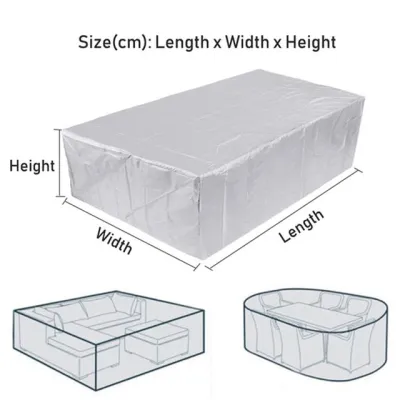
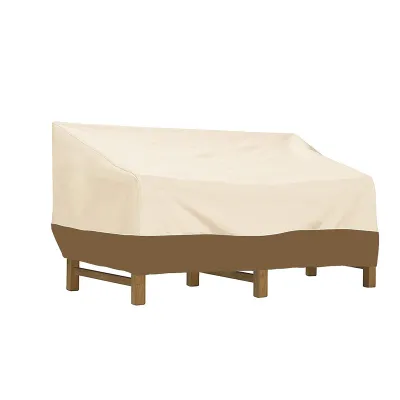
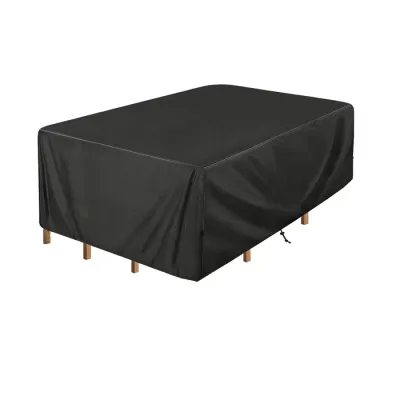
Prices are valid at publication and may change. Please refer to the product page for the latest price.
Pay close attention to the shape of the furniture’s footprint. If you have a dining set, measure the entire configuration with the chairs pushed fully under the table. This ensures you capture the actual space the set occupies when not in use.
Additionally, verify the design of the cover’s hem. Look for options with heavy-duty elastic hems or integrated drawcords. These features allow you to cinch the cover tightly around the base of the furniture, preventing wind from getting underneath and lifting the cover off. Securing the cover against strong wind gusts is especially critical on high-floor apartment balconies.
Identify Essential Weather-Resistant Features
In Singapore’s tropical climate, a simple water-resistant label is often insufficient for heavy monsoon rains. Look for product specifications indicating a fully waterproof backing or coating, such as polyurethane or polyvinyl chloride (PVC).

Check the product details for taped or sealed seams, which feature a waterproof tape applied over the stitched lines to block water from penetrating needle holes.
High humidity combined with trapped heat creates a greenhouse effect under a sealed cover, leading to rapid mold growth. Ensure the cover features built-in mesh air vents shielded by protective flaps to allow air circulation while keeping rain out.
Look for covers with verified UV-resistant treatments on the product label to prevent the fabric from becoming brittle and cracking under intense tropical sunlight.
If your outdoor furniture features delicate finishes like polished wood or woven synthetic rattan, choose a cover with a soft, non-abrasive inner lining to prevent friction scratches during windy conditions. Remember that a material name alone does not guarantee durability; always check the manufacturer’s specific care instructions to ensure compatibility.
Match Cover Styles to Your Furniture Layout
Selecting the right cover style involves matching the cover’s shape to the specific layout and function of your outdoor seating and dining arrangements. Different furniture configurations present unique challenges for water runoff and wind resistance, meaning a one-size-fits-all approach rarely provides adequate protection. Choosing a style tailored to your specific setup ensures easier daily handling and more reliable coverage.
Patio Sofas and Sectionals
Large, multi-piece seating arrangements like outdoor sofas and sectionals require careful planning when it comes to coverage. You must first decide whether to use one large, comprehensive cover for the entire configuration or individual covers for each modular piece. A single large cover offers a clean look and fewer seams, but it can be heavy and cumbersome to put on and take off daily.
If you choose a single cover, ensure it features multiple tie-down straps or click-close buckles that attach directly to the sofa legs. These anchors keep the cover secure during strong winds.
Deep seating areas are highly susceptible to water pooling in the center of the cushions. To prevent this, look for covers that drape tautly, or plan to use a support pole or a water-shedding device underneath the cover to create a high point, allowing rainwater to run off the sides naturally.
Dining Sets and Tables
Covering an outdoor dining set requires deciding how you plan to store the chairs when they are not in use. If you prefer to keep the chairs tucked neatly under the table, you must measure the entire set as a single unit. Look for a cover designed specifically for dining sets, which typically features a wider profile to accommodate the chairs.
These covers should include adjustable drawcords or elastic hems that allow you to cinch the excess material tightly around the outer legs of the chairs and table. This prevents the cover from sagging and collecting water in the gaps between the table and chairs.
Alternatively, if you stack your chairs separately or store them indoors during the wet season, a smaller, fitted cover designed solely for the tabletop and legs is a highly efficient option. This reduces the bulk of the cover and makes daily application much faster.
Balcony Chairs and Loungers
Smaller, lightweight seating options like balcony chairs, armchairs, and sun loungers benefit from covers that are easy to handle and store. If you have multiple identical chairs, look for stackable chair covers. Stacking your chairs and using a single vertical cover saves valuable balcony floor space and makes securing the furniture much simpler.
When selecting covers for individual chairs or loungers, check for reinforced corners. The sharp edges of chair backs and armrests can easily wear through thin fabric over time. Reinforced panels in these high-stress areas prevent premature tearing.
Additionally, look for covers with padded handles. These handles make it much easier to pull the cover on and off quickly when a sudden rainstorm approaches, ensuring you can protect your furniture at a moment’s notice without struggling with the fabric.
Apply and Maintain Your Covers Correctly
Proper application and regular maintenance are vital to maximizing the lifespan of both your waterproof covers and the furniture underneath. Before applying any cover, ensure the furniture is completely clean and dry. Covering damp furniture traps moisture, which can lead to mold, mildew, and wood rot, especially in warm, humid environments.
When putting the cover on, distribute the tension evenly. Secure all straps, buckles, or drawcords to the furniture legs. If the cover is pulled too tightly in one direction, it can strain the seams and lead to tears; if it is too loose, it will flap in the wind, causing abrasive wear on both the cover and the furniture finish.
Periodically inspect your covered furniture, especially after heavy downpours. Check for any pooled water on top of the cover and drain it immediately to prevent the material from stretching or leaking. Remove any fallen leaves, twigs, or debris that can trap moisture on the cover’s surface.
Clean the cover regularly according to the manufacturer’s care label. Most covers can be cleaned by gently spraying them with a garden hose and wiping them down with a soft cloth and mild soap. Avoid using harsh chemical cleaners or abrasive brushes, as these can strip away the waterproof coatings and UV-resistant treatments. Always allow the cover to dry completely before folding and storing it away.
Frequently Asked Questions (FAQ)
Can I use a generic tarp instead of a fitted waterproof cover?
While a generic tarp is an inexpensive option, it lacks the specialized design features required for effective outdoor furniture protection. Tarps do not have fitted hems, built-in air vents, or secure leg straps, making them highly susceptible to blowing away during strong winds. Securing a tarp often requires awkward bungee cords or weights, which can scratch delicate furniture surfaces. Furthermore, the lack of ventilation traps condensation underneath, creating an ideal environment for mold and rust.
How do I prevent mold under the cover during humid weather?
Preventing mold under your cover requires managing airflow and moisture. Always ensure your furniture and cushions are completely dry before covering them. Choose a cover equipped with built-in mesh air vents to facilitate continuous air circulation. If your cover tends to sag, place a breathable object, such as a specialized cover support pole or a clean plastic bucket, in the center of the furniture before applying the cover. This elevates the center, creating a tent-like slope that promotes water runoff and increases the air gap underneath to reduce condensation.
Community discussion
Share your experience or ask a question. Comments are reviewed before publication.