
Selecting a safe pull-out bed frame for children in Singapore requires looking beyond aesthetic appeal and space-saving convenience. While a trundle or pull-out bed is an excellent solution for compact HDB flats and shared bedrooms, the moving parts and dual-level design introduce unique safety considerations. Parents must evaluate how different brands address structural stability, material safety, and mechanical hazards to ensure a secure sleeping environment.
Rather than relying solely on brand popularity, a systematic evaluation of safety certifications, structural design, and physical installation conditions is the most reliable way to protect young sleepers. This guide outlines the essential safety standards, mechanical risks, and inspection steps necessary to identify the safest pull-out bed frames available in the Singapore market.
Key Safety Standards for Children's Pull-Out Beds
When shopping for children’s furniture in Singapore, verifying compliance with recognized international safety standards is the first line of defense. Because Singapore imports furniture from various global markets, reputable brands should demonstrate compliance with established frameworks such as the European Standard (EN 747 for multi-level beds) or the American Society for Testing and Materials (ASTM F1427). These standards dictate strict limits on gap sizes, structural load capacities, and material toxicity to prevent accidents.
Products mentioned in this guide
![[INNDESIGN.SG] Single Pull Out Bed (4 Colors) (Fully Assembled and Free Delivery)](https://img.lazcdn.com/g/p/762c6924cb774f70ac85e795b467e224.jpg_400x400q80.jpg_.webp)
![[Bulky]Twentyone 3 In 1 Pull Out Bed Frame With / Without Divider Colour Available](https://img.lazcdn.com/g/p/eabff2a108558f04d8f5f527035efc27.jpg_400x400q80.jpg_.webp)
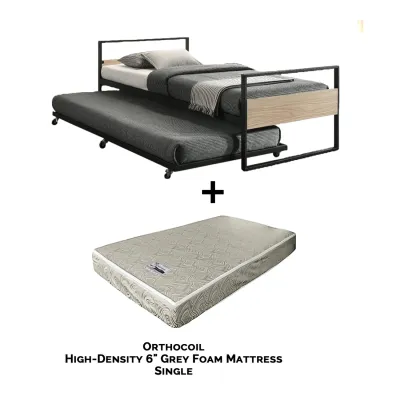
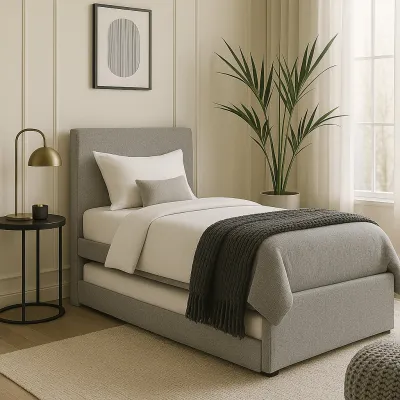
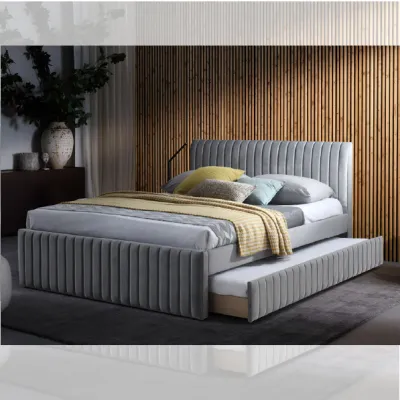
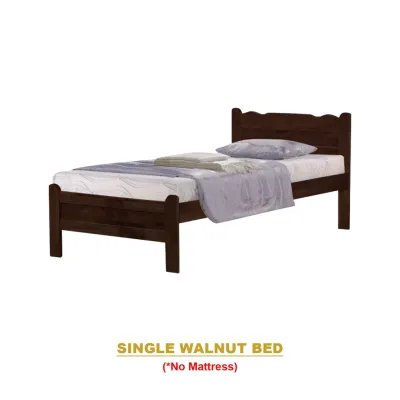
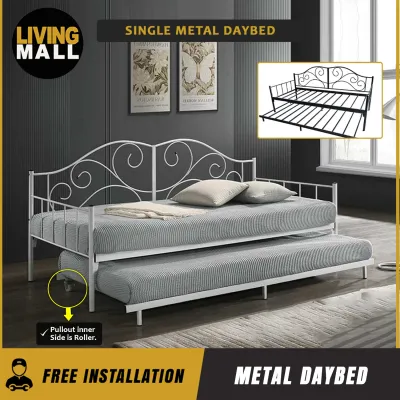
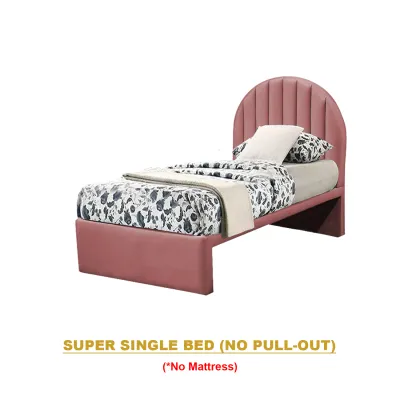
Prices are valid at publication and may change. Please refer to the product page for the latest price.
To verify these certifications, do not rely on vague product descriptions that simply label an item as “safe” or “child-friendly.” Request official test reports or look for specific certification marks on the product’s physical tags, packaging, or the manufacturer’s official website. Legitimate brands are transparent about their testing processes and will readily provide documentation showing that their products have undergone independent laboratory testing.
It is crucial to distinguish between general adult furniture standards and specific children’s furniture requirements. Adult bed frames are designed with the assumption that the user has the coordination and size to avoid entrapment and falls. Children’s bed standards, however, enforce much tighter tolerances for gaps to prevent head, neck, and limb entrapment. They also mandate non-toxic, lead-free finishes, as younger children frequently contact bed surfaces directly.
Furthermore, local consumer safety regulations in Singapore monitor general product safety, but specialized children’s furniture often requires adherence to stricter international benchmarks. When evaluating imported brands, check if they align with these global standards, as this indicates a higher level of engineering and quality control. A brand that cannot provide proof of compliance with at least one major international standard should be avoided for children’s rooms.
Structural Risks Unique to Pull-Out Bed Frames
Pull-out bed frames, or trundle beds, feature a secondary bed on wheels or tracks that slides beneath the main frame. This sliding mechanism introduces specific mechanical hazards that are not present in standard single bed frames. The most prominent risk is entrapment, which occurs when gaps between the main bed frame, the pull-out trundle, and the mattresses are wide enough to trap a child’s limbs or head but too narrow to allow easy escape. Safe designs ensure that any gap is either less than 75 millimeters or greater than 230 millimeters to prevent head entrapment.

Pinch points and finger traps represent another significant hazard, particularly in the sliding rails, wheels, and folding legs of pop-up trundles. When the lower bed is pulled out or pushed back in, exposed metal tracks or scissor-style folding mechanisms can easily pinch small fingers. High-quality brands mitigate this risk by using enclosed track systems, recessed wheels, and safety locks that prevent the trundle from moving unexpectedly during use.
Stability and tip-over risks must also be evaluated, especially when the trundle is fully extended. If a child steps on the edge of the extended lower bed or leans heavily against the side of the main frame, the entire structure must remain grounded. A well-designed pull-out bed utilizes a heavy, low-center-of-gravity base and robust joint connections to prevent tipping. This is particularly important in Singapore’s humid climate, where wood expansion or metal corrosion over time can affect track alignment and compromise overall stability.
Guardrails are another critical safety feature, particularly for the upper or main bed if it sits higher than a standard single bed to accommodate the trundle underneath. The guardrail must extend at least 160 millimeters above the top of the mattress to prevent falls. For the lower pull-out bed, while guardrails are less common, the mattress must fit snugly within the trundle frame to prevent the child from slipping into the gap between the mattress and the frame edge.
Finally, consider the clearance zone in the bedroom. In tight Singapore bedrooms, an extended trundle bed may sit very close to wardrobes, study desks, or walls. If the clearance is too tight, a child exiting the bed could trip or become wedged between the bed and adjacent furniture. Always measure the fully extended footprint of the bed frame to ensure there is safe clearance on all sides.
How to Evaluate a Brand's Safety Commitment
A brand’s commitment to safety is reflected in its transparency regarding materials, manufacturing, and support services. Safe children’s furniture brands prioritize low-volatile organic compound (low-VOC) finishes and water-based, non-toxic paints or lacquers. Because children spend up to twelve hours a day in close proximity to their beds, inhaling fumes from cheap adhesives or high-emission particle boards can pose health risks. Look for brands that explicitly state compliance with formaldehyde emission standards, such as the California Air Resources Board (CARB) Phase 2 or European E1 standards.
Clear assembly instructions and explicit weight limit disclosures are also indicators of a responsible manufacturer. A safe brand will clearly state the maximum load capacity for both the main bed and the pull-out trundle. In Singapore, where many families opt for professional delivery and assembly due to tight apartment layouts and busy schedules, reputable brands often provide certified installation services. Professional installation ensures that all safety-critical fasteners, tracks, and alignment pins are secured according to the manufacturer’s exact specifications.
Investigate the brand’s history regarding product recalls and the comprehensiveness of their warranty terms. A brand that offers a multi-year warranty on the structural frame and sliding mechanisms demonstrates confidence in their product’s long-term durability. Responsive customer support is equally vital, as you may need to source original replacement parts or seek guidance if a component becomes loose or damaged over time.
Be cautious of red flags in product listings on online marketplaces or discount furniture sites. Vague specifications, such as omitting the exact dimensions of the mattress space or failing to list weight limits, suggest a lack of rigorous testing. Avoid listings that make grand, unsupported durability claims without referencing specific materials, joint construction methods, or safety certifications.
Pre-Purchase and Delivery Inspection Checklist
Before finalizing a purchase, visit a physical showroom if possible to conduct a hands-on evaluation of the bed frame. Test the pull-out mechanism yourself to assess its smoothness and alignment. The trundle should slide out with minimal resistance and should not wobble or veer off-course. Check if the tracks have built-in stoppers or locking mechanisms that prevent the lower bed from being pulled completely out of its alignment accidentally, which could cause it to drop onto a child’s foot.
Upon delivery and assembly at your home, perform a thorough physical inspection of the bed frame before accepting the installation. Examine the joint reinforcements, ensuring that heavy-duty steel bolts and dowels are used rather than simple wood screws. Run your hands along all edges, corners, and wooden slats to check for splinters, sharp edges, or rough finishes that could scratch a child.
Verify the mattress thickness compatibility immediately. Measure the distance from the top of the mattress to the top of the guardrails on the main bed to ensure it meets the minimum safety height of 160 millimeters. For the pull-out trundle, ensure the mattress is thin enough to slide smoothly under the main frame without catching on the upper support slats, yet thick enough to provide adequate support without bottoming out.
If you notice any misaligned pre-drilled holes, cracked wood, loose hardware, or a malfunctioning sliding track during assembly, stop the process immediately. Do not attempt to force the components together or use makeshift hardware. Contact the manufacturer or the retail brand to request replacement parts or a professional technician to resolve the issue safely.
Additionally, inspect the castors or wheels on the pull-out section. In Singapore, where flooring often consists of vinyl, laminate, or polished tiles, the wheels should be made of a non-slip, non-marking material like polyurethane or rubber. Metal or hard plastic wheels can slip easily, causing the trundle to slide unexpectedly when a child tries to step into or out of the bed.
Frequently Asked Questions (FAQ)
Do pull-out beds require a specific type of mattress for safety?
Yes, pull-out bed frames require careful mattress selection to maintain their safety features. For the main bed, exceeding the manufacturer’s recommended mattress height compromises the effectiveness of the guardrails, significantly increasing the risk of falls. For the lower pull-out trundle, the mattress must be thin enough—typically between 10 to 15 centimeters—to slide under the main frame without friction, while still fitting snugly within the trundle frame to prevent limb entrapment. Additionally, a mattress that is too heavy can overload the sliding tracks or wheels, leading to structural wear, misalignment, and potential mechanical failure over time. Always consult the bed frame’s manual for the exact maximum mattress height and weight limits.
How often should I check the hardware on a pull-out bed frame?
You should inspect and tighten the hardware on a child’s pull-out bed frame at least once every three to six months, or immediately if you notice any squeaking, wobbling, or resistance when sliding the trundle. Regular use, combined with Singapore’s high humidity, can cause wooden components to expand and contract slightly, which may loosen screws, bolts, and track fittings over time. Check the sliding rails, wheels, and locking mechanisms for signs of wear, dust accumulation, or rust, and clean them according to the manufacturer’s guidelines. If any hardware becomes stripped, bent, or broken, discontinue use of that section of the bed and contact the manufacturer for approved, original replacement parts rather than using generic hardware store alternatives.
Community discussion
Share your experience or ask a question. Comments are reviewed before publication.