
Choosing the right Zinus single mattress firmness is a critical decision that directly impacts your sleep quality, spinal health, and daily energy levels. A single mattress, which is a popular choice for compact bedrooms, guest rooms, and children’s spaces in Singapore, must deliver targeted support within a limited surface area. Because you do not have the luxury of sprawling across a wide bed, the mattress must work efficiently to distribute your body weight and keep your spine in a neutral position.
Finding the correct firmness level requires balancing your personal sleeping posture with your body weight. A mattress that feels wonderfully supportive to one person might cause another to wake up with severe back stiffness. By understanding how different materials compress under pressure and how your primary sleeping position affects your alignment, you can make an informed choice that ensures long-term comfort.
Understand How Body Weight Affects Mattress Firmness
Firmness is not an absolute measurement; rather, it is a subjective experience heavily influenced by your body weight and shape. When you lie down, your body exerts downward force on the mattress layers. The amount of force you apply determines how deeply you sink into the comfort materials before encountering the firmer support core beneath.
Products mentioned in this guide
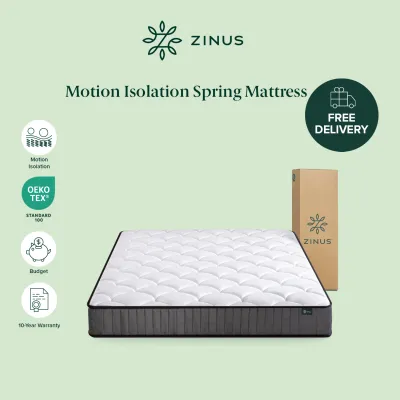
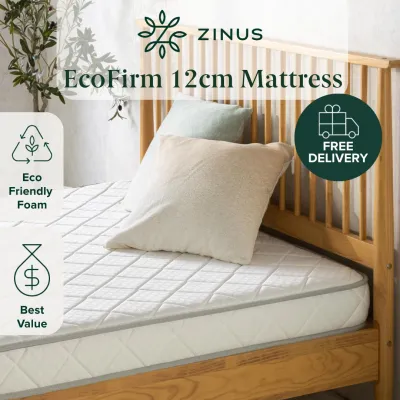
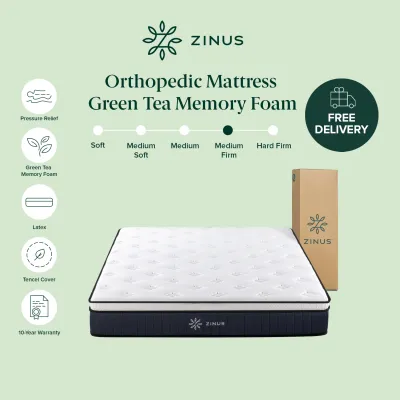

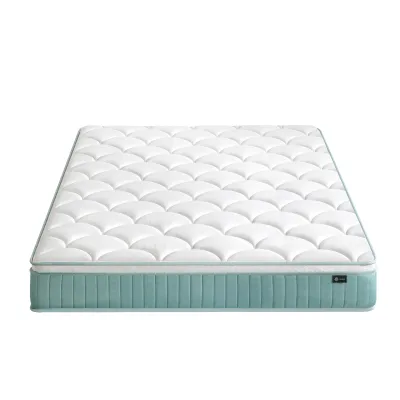
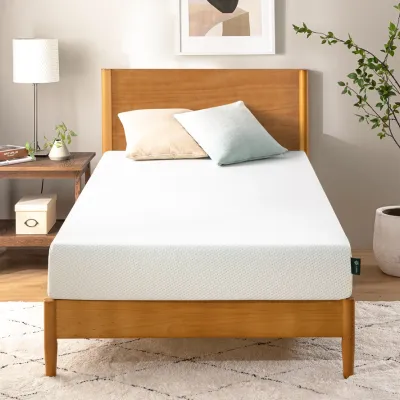
Prices are valid at publication and may change. Please refer to the product page for the latest price.
Lighter individuals, typically weighing under 60 kg, exert relatively little pressure on a mattress. If a lighter sleeper rests on an exceptionally firm mattress, they will not compress the top layers enough to experience any contouring. This can lead to painful pressure points at the shoulders and hips. For these sleepers, a softer or medium-soft mattress is often necessary to provide adequate cushioning and pressure relief.
Average-weight sleepers, falling between 60 kg and 80 kg, generally experience mattress firmness ratings as advertised. A medium mattress will offer them a balanced sensation of gentle contouring and reliable upward support. This balance keeps the spine aligned while preventing the feeling of being stuck in a deep hollow.
Heavier individuals, generally those weighing over 80 kg, exert substantial downward force. On a soft mattress, their heavier areas—specifically the pelvis and hips—will sink too deeply. This uneven sinking pulls the spine out of alignment, leading to chronic lower back strain. Heavier sleepers require a firmer mattress or a hybrid model with robust pocket springs to maintain a flat, supportive sleeping surface.
Before purchasing, always check the manufacturer’s product specifications for weight capacity and support core details. Look for high-density foam bases or thick coil gauges on the product label, as these structural elements prevent premature sagging and ensure the mattress continues to support your body weight effectively over years of use.
Match Your Primary Sleeping Position to a Firmness Level
Your primary sleeping posture determines which parts of your body bear the most weight and where you require the most support. Aligning your sleeping position with the correct firmness level is the most effective way to prevent muscle tension and joint pain.

Side sleepers require a mattress that offers significant pressure relief. In this position, the shoulders and hips protrude and bear the brunt of the body’s weight. A medium-soft to medium mattress allows these prominent areas to sink comfortably into the comfort layers, keeping the spine straight. If the mattress is too firm, it can compress the shoulder joints and hips, leading to poor circulation and frequent waking.
Back sleepers need a balanced surface that supports the natural curve of the lumbar spine. If a mattress is too soft, the pelvis sinks, flattening the lower back curve and causing muscle fatigue. If it is too firm, the mattress cannot contour to the lower back, leaving a gap that forces the back muscles to remain tense all night. A medium to medium-firm mattress provides the ideal combination of lower back support and gentle cushioning.
Stomach sleepers face the greatest risk of spinal misalignment. Sleeping on the stomach naturally coaxes the lower back into an exaggerated arch. If the mattress is soft, the hips sink even further, exacerbating this arch and putting immense pressure on the lumbar vertebrae. To keep the body in a flat, neutral plane, stomach sleepers require a firm mattress that keeps the hips elevated and aligned with the shoulders.
Combination sleepers, who frequently change positions throughout the night, need a versatile medium mattress. This firmness level provides enough surface responsiveness to allow easy movement without feeling trapped in the foam. It also offers a balanced compromise, delivering adequate pressure relief when on the side and sufficient support when rotating onto the back or stomach.
Verify Zinus Single Mattress Specifications Before Purchase
To ensure your chosen single mattress delivers the expected comfort, you must verify its physical specifications and construction details before completing your purchase. Do not rely solely on the model name; instead, read the product description carefully to identify explicit firmness terms such as “plush,” “medium,” or “firm.”
Examine the thickness and composition of the comfort layers. Memory foam layers provide deep contouring and excellent motion isolation, making them ideal for those who prefer a hugging sensation. Gel-infused foams help dissipate body heat, which is particularly beneficial in Singapore’s warm, humid climate. Hybrid models, which combine foam comfort layers with an underlying pocket spring system, offer a more responsive feel with enhanced edge support and airflow.
Verify the finished dimensions of the single mattress to ensure a perfect fit. A standard single mattress in Singapore typically measures 91 cm in width and 190 cm in length. Measure the inner frame of your bed base to confirm compatibility, leaving a small gap for tucking in bedsheets. Additionally, ensure that your doorways, hallways, and lift access are clear of obstructions so the delivery team can easily transport the packaged mattress into your home.
Consider the overall height of the mattress in relation to your bed frame. A very thick mattress on a high platform bed can make getting in and out of bed difficult, especially for children or older adults. Ensure the combined height allows your feet to rest flat on the floor when sitting on the edge of the bed.
Finally, review the retailer’s trial period, return policy, and warranty terms. Because your body can take several weeks to adjust to a new mattress, a trial period allows you to test the firmness in your own home. Ensure you understand the return conditions, such as using a compatible, supportive bed base and keeping the mattress free of stains.
Diagnose if Your Current Mattress Firmness Is Causing Discomfort
If you are unsure whether your current mattress is the source of your sleep issues, your body and the mattress itself will provide clear physical indicators. Recognizing these signs of improper support can help you decide when it is time to upgrade.
Waking up with persistent morning stiffness or localized pain in your lower back, neck, or shoulders is a classic sign of incorrect firmness. If this discomfort typically subsides within an hour of stretching and moving around, your mattress is likely failing to maintain your spinal alignment during the night.
Frequent tossing and turning is another indicator that your mattress is creating uncomfortable pressure points. If you constantly wake up to reposition yourself, or if you feel “stuck” in a deep valley and struggle to roll over, the comfort layers have likely degraded, leaving you resting directly on the hard support core.
Inspect your mattress regularly for visible sagging or permanent body impressions. Depressions deeper than a few centimeters compromise the mattress’s ability to distribute your weight evenly. Once a mattress sags, it can no longer provide the support required for any sleeping position, regardless of how comfortable it felt when new.
If your mattress is still structurally sound but feels slightly too firm, you can use a mattress topper to add a layer of plushness. However, a topper cannot restore support to a sagging or overly soft mattress. If the core support has failed, a full mattress replacement is the only effective solution to protect your spinal health.
Frequently Asked Questions (FAQ)
Can I change the firmness of my Zinus mattress after buying it?
While you cannot alter the internal construction of a mattress after purchase, you can adjust its surface feel. Adding a plush mattress topper made of memory foam or microfiber can soften a mattress that feels too firm. However, if the mattress is too soft or has begun to sag, a topper will not provide the necessary upward support. In this scenario, you should check the retailer’s return or exchange policy to swap the mattress for a firmer model.
Does a single mattress feel different from a larger size in the same model?
The materials, layer thicknesses, and density specifications are identical across all sizes of the same mattress model. However, a single mattress can sometimes feel slightly firmer than a queen or king size. This perception occurs because your body weight is concentrated over a smaller overall surface area, and the fabric cover of a smaller mattress often has less room to stretch, resulting in a slightly tauter feel.

Community discussion
Share your experience or ask a question. Comments are reviewed before publication.