
Choosing the right firmness for a zinus foam mattress depends on matching your primary sleeping position and body weight to the foam’s structural support. A mattress that is too soft can cause your pelvis to sink, straining your lower back, while one that is too firm can create painful pressure points on your shoulders and hips. By understanding how different foam layers compress under your body weight, you can select a model that maintains neutral spinal alignment throughout the night.
Quick Diagnostic: Which Firmness Do You Need?
Foam firmness interacts directly with spinal alignment and pressure relief. When you lie down, the mattress must compress enough to cushion your body’s widest points while remaining firm enough to support your spine’s natural curves. If the foam is too soft, your heaviest parts sink too deep; if it is too firm, the mattress pushes against your joints, restricting circulation.
The following quick-reference matrix maps common sleep positions and weight categories to general firmness ranges to help narrow down your options:
Products mentioned in this guide
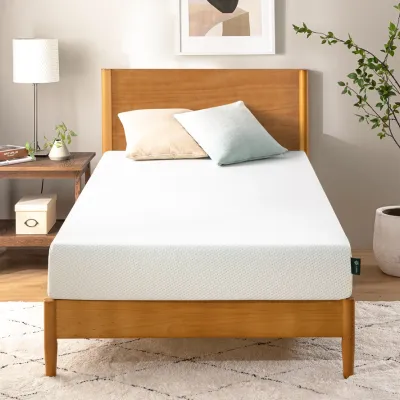
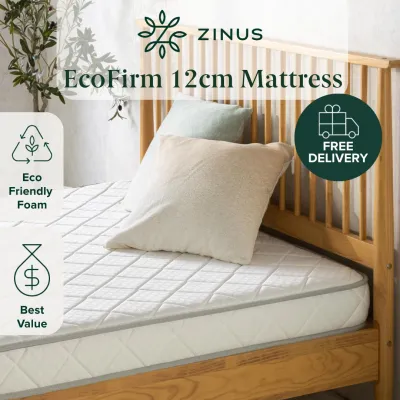
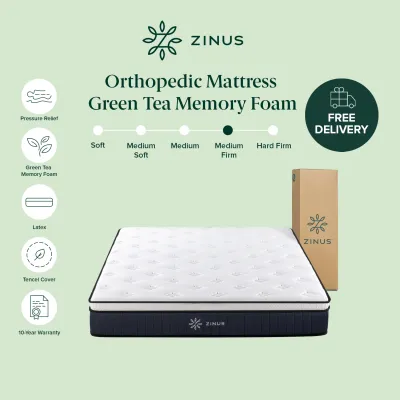
Prices are valid at publication and may change. Please refer to the product page for the latest price.
| Sleep Position | Body Weight Category | Recommended Firmness Range | Key Focus Area |
|---|---|---|---|
| Side Sleeper | Light (Under 60 kg) | Medium-Soft to Medium | Shoulder and hip contouring |
| Side Sleeper | Average (60 to 80 kg) | Medium | Balanced pressure relief and support |
| Side Sleeper | Heavy (Over 80 kg) | Medium-Firm | Deep compression support to prevent bottoming out |
| Back Sleeper | Light (Under 60 kg) | Medium | Gentle lumbar contouring |
| Back Sleeper | Average (60 to 80 kg) | Medium-Firm | Stable spinal alignment |
| Back Sleeper | Heavy (Over 80 kg) | Firm | Pelvic support and minimal sinkage |
| Stomach Sleeper | Light (Under 60 kg) | Medium-Firm | Preventing hip sag |
| Stomach Sleeper | Average to Heavy | Firm | Maximum pelvic elevation and spinal alignment |
Individual comfort preferences, chronic pain, or specific medical conditions require professional consultation with an orthopedic specialist or physiotherapist rather than relying solely on general guidelines.
Assessing Your Sleep Profile and Physical Needs
Identifying your primary sleep position is the first step in establishing your baseline support requirements. If you frequently toss and turn during the night, pay attention to the position you naturally adopt when you feel most relaxed or the position you find yourself in when waking up. Frequent tossing and turning often indicates that your current sleeping surface is causing discomfort, forcing your body to shift constantly to relieve pressure.

Body weight dictates how deeply you compress the foam layers. Heavier individuals exert more downward force, meaning they require firmer support to prevent sinking straight through the soft comfort layers and resting against the rigid base foam. Conversely, lighter individuals do not compress the foam enough to experience its contouring benefits, meaning a mattress that feels medium to an average-weight person may feel exceptionally firm to a lighter sleeper.
Specific pressure points also dictate your need for contouring versus push-back support. Side sleepers need deep contouring at the shoulders and hips to keep the spine straight. Back sleepers require a balance of contouring for the lower back and firm support for the thoracic spine. Stomach sleepers need a highly resistant surface to prevent the pelvis from sinking forward, which arches the lower back unnaturally and causes morning aches.
Matching Foam Firmness Categories to Your Profile
Medium-soft to medium mattresses are highly suited for side sleepers who need targeted shoulder and hip relief. These options allow the wider parts of the body to sink just enough to align the spine horizontally. The foam cradles these joints, distributing body weight evenly and reducing the risk of restricted blood circulation or morning numbness.
Medium-firm to firm options are better suited for back and stomach sleepers who require robust lumbar support and pelvic alignment. For stomach sleepers, keeping the hips elevated is critical; any significant sinkage in the midsection bends the lumbar spine backward, leading to severe lower back strain. A firmer surface ensures the body remains on a flat, stable plane.
When evaluating a zinus foam mattress, understand that the overall feel is influenced by transition layers and base foam density. High-density base foam provides the structural foundation that prevents the mattress from sagging over time. Transition layers sit between the plush top memory foam and the rigid base, gradually absorbing weight and smoothing the transition so you do not feel a sudden drop in support.
Be cautious of “universal” firmness claims, as a single mattress model rarely suits extreme body types or strict stomach sleepers. A very light side sleeper will find a universal medium-firm mattress too rigid, while a heavy stomach sleeper will find it lacks the pelvic support needed to prevent spinal misalignment. Always choose a firmness level tailored to your specific physical profile.
Verifying Zinus Mattress Specifications and Purchase Conditions
Before committing to a purchase, verify the manufacturer’s stated firmness rating and foam density specifications. Look for detailed descriptions of the layer stack-up on the official store page or product labels. Checking these specifications helps you understand whether the mattress relies on thick memory foam layers for contouring or high-density polyfoam for firm support.
Evaluate the sleep trial durations, return conditions, and warranty terms available in the local market. Because foam can feel slightly softer in warm, humid climates, a sleep trial is highly beneficial to test how the mattress performs in your actual bedroom environment. Ensure you understand the return logistics, including whether the retailer handles the pickup of a decompressed mattress and if any processing fees apply.
Finally, check the physical dimensions, thickness, and bed frame compatibility to ensure the chosen foam mattress fits your existing setup. Measure your bed frame carefully, as mattress sizes can vary slightly between regional standards. Additionally, consider delivery logistics: verify that the packaged mattress box can fit through your lift, doorways, and tight corridors to avoid delivery complications on arrival.
Signs Your Current Mattress Firmness Is Failing
If you regularly wake up with localized pain or stiffness in your lower back, neck, or joints that gradually fades after thirty minutes of moving around, your mattress is likely failing to support your spine in a neutral position. This morning discomfort is a clear physical signal that your sleeping surface is either too soft, causing your body to sag, or too firm, creating painful pressure points.
Inspect your current foam mattress for visible sagging, permanent body impressions deeper than a few centimeters, or soft spots where the foam has lost its resilience. A loss of edge support—where you feel like you are rolling off the bed when sleeping near the side—is another clear sign of structural breakdown. Foam materials naturally soften over years of use, meaning a mattress that was once supportive may now be too soft.
Waking up tired, feeling restless throughout the night, or finding that you sleep significantly better on a couch or a different bed indicates that your current mattress firmness no longer meets your physical needs. If you are constantly searching for a comfortable spot on your bed, it is time to evaluate a replacement that matches your current sleep profile.
Frequently Asked Questions (FAQ)
Can I change the firmness of my Zinus foam mattress after buying it?
While you cannot alter the internal core of a unibody foam mattress, you can adjust the surface feel using a mattress topper. A plush memory foam or latex topper can add softness to a mattress that feels too rigid. Conversely, a high-density, firm topper can provide a slightly more stable surface, though it cannot fully correct a mattress that is already sagging from a compromised base layer. Always check if your specific model features a dual-firmness or flippable design before making adjustments.
Does a firmer foam mattress always mean better back support?
No, maximum firmness does not automatically equate to superior back support. Proper support means keeping your spine in neutral alignment, which requires a mattress to conform to your body’s natural curves. If a mattress is too firm, it will not allow a side sleeper’s shoulders and hips to sink, forcing the spine into an unnatural upward curve and creating painful pressure points. The ideal mattress must balance structural support with enough surface contouring to relieve pressure.
Community discussion
Share your experience or ask a question. Comments are reviewed before publication.