
To successfully repair a broken or worn-out piece of furniture, selecting the correct wooden plank board as a replacement part is critical. The right choice depends on where the part is located, the load it must carry, how it will be finished, and the environment it will live in. Choosing the wrong material can lead to sagging shelves, split joints, or warped panels that ruin the look and structural integrity of your furniture. By matching the replacement board’s mechanical properties and moisture resistance to the original piece, you can restore both its function and appearance.
Assess the Original Furniture and Repair Requirements
Before purchasing a new wooden plank board, you must thoroughly diagnose the damaged component and its role in the overall furniture piece. Start by identifying the primary function of the replacement part. Ask yourself whether the board is structural (such as a side panel of a wardrobe or a table leg support), load-bearing (like a bookshelf or drawer bottom), or purely decorative (such as a cabinet door front or trim). Structural and load-bearing components require high bending strength and excellent fastener retention, whereas decorative parts prioritize surface smoothness and stability.
Next, measure the exact dimensions of the original part with high precision. Do not rely on nominal dimensions or rough estimates. Use a digital caliper to measure the thickness of the board, as even a one-millimeter difference can prevent a replacement shelf from fitting into pre-drilled support pins or sliding into drawer grooves. Measure the width and length at multiple points to account for any warping in the old piece, and make sure to subtract any clearances needed for hardware, hinges, or joinery gaps.
Products mentioned in this guide

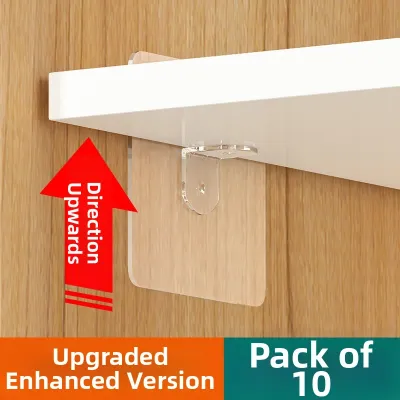
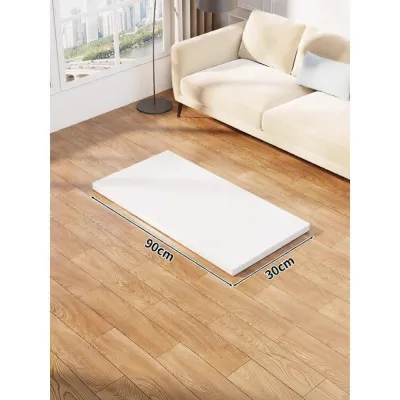
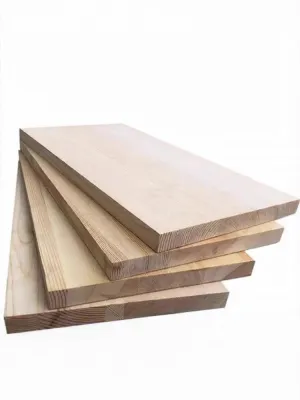
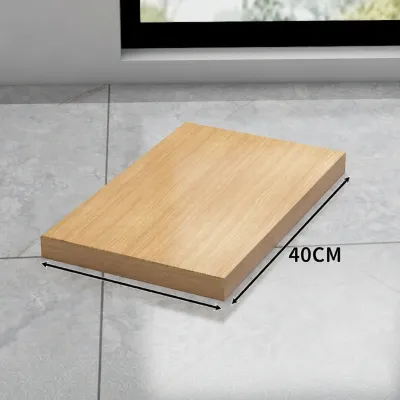
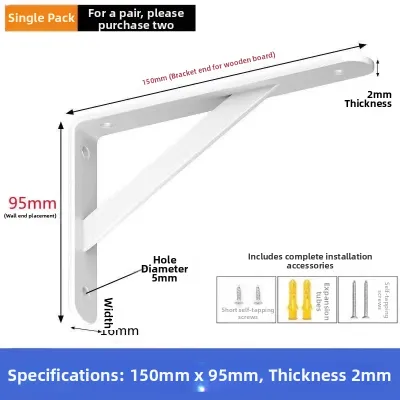
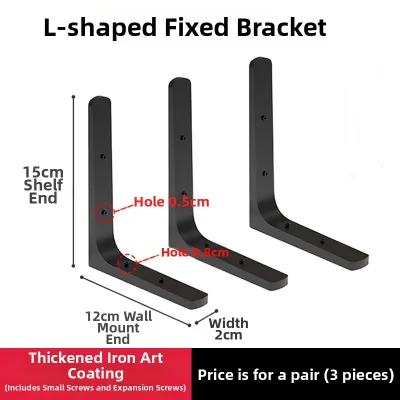
Prices are valid at publication and may change. Please refer to the product page for the latest price.
You must also examine how the original board was assembled and fastened. Look closely at the connection points to see if the furniture uses wood screws, dowels, cam lock fasteners, or pocket holes. A replacement board must be strong enough to accept these exact same fasteners without splitting or stripping. For example, if the original furniture uses cam locks—common in flat-pack furniture—the replacement board must be dense enough to hold the metal cam pins securely under tension.
Finally, check the manufacturer’s care label, assembly manual, or original product specifications if they are still available. These documents often contain valuable clues about the material composition (such as whether it is solid wood, medium-density fiberboard, or plywood) and the original load capacity. Be aware that performing DIY repairs on your furniture can void any remaining manufacturer warranties, especially if the replacement material or installation method deviates from the original design guidelines.
Comparing Wood Materials for Replacement Parts
Different wood materials offer distinct trade-offs in terms of strength, workability, moisture resistance, and cost. Understanding these properties allows you to select a wooden plank board that mimics or improves upon the performance of the original component.

Solid Wood for Structural and Visible Repairs
Solid wood boards cut directly from timber logs offer unmatched structural integrity and aesthetic appeal. They are the premier choice for high-stress areas, heavy-duty shelving, table legs, and any visible edges that require intricate routing, shaping, or sanding. Because solid wood has continuous natural fibers, it holds screws and fasteners exceptionally well, even when disassembled and reassembled multiple times. It can also be sanded down and refinished repeatedly to match the surrounding furniture.
However, solid wood comes with distinct physical limitations and a higher price tag. Unlike engineered wood, solid timber is highly anisotropic, meaning its strength and dimensional stability vary across and along the grain. It is susceptible to warping, cupping, and twisting when exposed to environmental changes. Furthermore, you must carefully match the wood species (such as oak, teak, or pine) and grain direction of the original furniture to ensure a cohesive repair, which can be challenging and costly.
When purchasing solid wood for a replacement part, always verify its moisture content. Wood that is not properly seasoned or kiln-dried will shrink or expand as it adjusts to your home’s microclimate, potentially cracking the furniture joints. It is highly recommended to acclimate the new board by letting it sit in the target room for at least one to two weeks before cutting or installing it.
Plywood for Strength and Moisture Resistance
Plywood is an engineered wood constructed by gluing thin sheets of wood veneer together in alternating grain directions. This cross-grain construction gives plywood an exceptional strength-to-weight ratio and makes it highly resistant to splitting when nailed or screwed near the edges. It does not expand or contract significantly along its length or width, making it an incredibly stable choice for large flat panels, cabinet carcasses, and heavy-duty shelving.
Plywood comes in various grades and adhesive formulations. For furniture repairs, you must distinguish between interior-grade plywood, which uses moisture-sensitive glues, and moisture-resistant (MR) or marine-grade plywood, which utilizes waterproof adhesives. If you are repairing furniture for areas exposed to humidity or occasional spills, choosing a board with certified moisture resistance is essential to prevent delamination.
The main aesthetic drawback of plywood is its exposed edges, which reveal the alternating veneer layers. To achieve a clean, professional finish, you will need to apply edge banding. This involves using heat-activated veneer tape or gluing thin strips of solid wood along the cut edges to conceal the core layers before applying your final finish.
MDF and Particleboard for Smooth, Painted Surfaces
Medium-Density Fiberboard (MDF) and particleboard are engineered wood products made by bonding wood fibers or wood chips together with synthetic resins under high heat and pressure. MDF features an ultra-smooth, uniform surface with no knots or grain patterns, making it the ideal substrate for painted replacement parts, cabinet doors, and drawer fronts. It can be easily cut and routed without splintering, allowing for clean decorative profiles.
Particleboard, on the other hand, is a coarser, budget-friendly material commonly used in flat-pack furniture. While it is flat and lightweight, it has low tensile strength and is highly vulnerable to water damage, which causes the wood chips to swell and crumble. Neither MDF nor standard particleboard holds traditional wood screws well when re-drilled into the same hole, as the internal fibers lack the interlocking structure of solid wood or plywood.
To ensure a durable repair when using these engineered woods, you must seal all exposed edges with a high-quality primer or edge banding to block moisture. Additionally, avoid using standard tapered wood screws directly into the raw core. Instead, use specialized hardware such as confirmat screws, threaded metal inserts, or dowels with wood glue to distribute the mechanical load and prevent the material from stripping out.
Selecting the Right Board by Furniture Component
To simplify your material selection, match the specific furniture component you are repairing to the wood type best suited for its mechanical demands and finishing requirements.
Table Tops and Desks: For table tops and writing desks, the replacement board must offer excellent scratch resistance, flat stability, and clean edge profiles. Solid wood is the gold standard here because it can be routed with decorative edges and sanded down when scratched. Alternatively, a thick, high-quality plywood sheet (18mm to 25mm) topped with a durable natural wood veneer or a high-pressure laminate (HPL) provides excellent stability and resistance to sagging over wide spans.
Cabinet Shelves: Replacement shelves must resist sagging under continuous load. Standard 18mm plywood or blockboard (a core of solid wood strips sandwiched between veneers) is highly recommended for spans exceeding 600mm. If you must use MDF or particleboard for shelving to match existing cabinetry, ensure the span does not exceed 500mm without intermediate supports, or reinforce the front and back edges with solid wood timber lips to increase stiffness.
Drawer Bottoms and Back Panels: These components do not bear heavy vertical loads but must provide lateral stability without adding unnecessary weight to the drawer slides or cabinet frame. Use thin plywood (3mm to 6mm) or high-density hardboard (often called Masonite). These materials are lightweight, flexible enough to slide into narrow routing grooves, and highly resistant to cracking under tension.
Wardrobe Doors and Large Panels: Large vertical panels are highly prone to warping due to uneven moisture absorption on their front and back faces. To prevent wardrobe doors from bowing, avoid large solid wood panels unless they are heavily braced with traditional frame-and-panel joinery. Instead, select MDF or blockboard. MDF remains perfectly flat over large surfaces and provides a flawless canvas for high-gloss or matte painted finishes.
| Furniture Component | Recommended Board Type | Key Reason for Selection | Finish Compatibility |
|---|---|---|---|
| Table Tops & Desks | Solid Wood or Thick Plywood | High impact resistance, edge routing capability | Wood stain, polyurethane, or laminate |
| Cabinet Shelves | Plywood or Blockboard | High bending strength, resists sagging over long spans | Paint, wood veneer, or melamine |
| Drawer Bottoms | 3mm – 6mm Plywood | Lightweight, flexible, fits standard grooves | Raw, clear coat, or thin paper foil |
| Wardrobe Doors | MDF or Blockboard | Excellent dimensional stability, resists warping | Paint, lacquer, or PVC thermofoil |
Adapting to Singapore’s Climate and Matching Finishes
When repairing furniture in Singapore, local environmental conditions play a massive role in the longevity of your replacement parts. Singapore’s tropical climate features high relative humidity, often exceeding 80%, paired with high ambient temperatures. Furthermore, many homes experience rapid humidity fluctuations when air conditioning units are turned on and off throughout the day.
These constant climate shifts cause wood to expand and contract rapidly. Under these conditions, standard interior-grade MDF or low-quality particleboard can quickly absorb airborne moisture, leading to swelling, mold growth, and structural sagging. When sourcing engineered wood for Singapore homes, always verify that the boards carry a Moisture Resistant (MR) rating or are designated for high-humidity environments. For solid wood, applying a high-quality sealant on all six sides of the board—including the cut ends and pre-drilled screw holes—is mandatory to slow down moisture exchange.
Matching the finish of the replacement board to the original furniture is the next step in achieving a seamless repair. For solid wood parts, you must experiment with wood stains and clear protective topcoats. Because different wood species absorb stain differently, and older wood develops a natural patina over time, you should never apply stain directly to your final workpiece first. Always test your stains, paints, or polyurethane coatings on an inconspicuous offcut or scrap piece of the same wood species to verify the color match.
For engineered wood boards, matching the finish often requires sourcing matching laminates or edge banding. Edge banding is available in PVC, melamine, or pre-glued real wood veneer. You can apply pre-glued veneer edge banding using a standard household iron to melt the adhesive, followed by a specialized edge trimmer or a sharp utility knife to flush-cut the excess. Ensure the edge banding matches the texture and sheen of the original furniture laminate to make the joint invisible.
Measuring, Cutting, and Installing the Replacement Board
Executing a successful furniture repair requires a methodical approach to preparation, cutting, and assembly. Following precise steps ensures the replacement board fits perfectly and maintains the structural integrity of the piece.
Begin the physical work by taking precise measurements. Use a digital caliper to verify the thickness of the existing board, and use a steel tape measure for length and width. When dealing with older or heavily used furniture, do not assume the openings are perfectly square. Measure diagonally from corner to corner in an ‘X’ shape; if the two diagonal measurements differ, the opening is out of square, and you will need to trim the replacement board accordingly to prevent binding.
When it comes to cutting the wooden plank board, you must choose the right tool for the material to avoid tear-out—the splintering of wood fibers on the exit side of the cut. For veneered plywood or laminated MDF, use a fine-toothed saw blade with at least 60 to 80 teeth, or apply a strip of masking tape along the cut line to hold the wood fibers down. If you do not have access to a table saw or track saw, consider using professional cutting services. Many local timber yards and specialized hardware stores in Singapore offer precise panel cutting services for a nominal fee, which guarantees clean, square edges.
During installation, proper fastening techniques are crucial to prevent splitting the new board. Always pre-drill pilot holes before inserting screws, especially when working near the edges of solid wood or plywood. The pilot hole drill bit should match the inner root diameter of the screw, not the outer thread diameter. When joining wood components, apply a thin, even layer of quality wood glue (such as polyvinyl acetate, or PVA) to the joints to reinforce the mechanical fasteners. Wipe away any squeezed-out glue immediately with a damp cloth, as dried glue will block wood stains from penetrating the surface later.
Safety and Stop Conditions: Before starting any repair, always check the applied product’s safety label and the treated furniture manufacturer’s instructions. If instructions conflict, the original material is unidentified, or the repair is not covered by standard DIY procedures, stop immediately. You must consult a professional carpenter or structural repair specialist if the replacement involves load-bearing structural joints (such as main bed frame supports or dining table legs), antique furniture restoration, or if you cannot safely identify the chemical finishes or adhesives used on the original piece.
Frequently Asked Questions (FAQ)
Can I use MDF for bathroom or high-humidity furniture repairs?
Standard MDF is highly susceptible to moisture and should not be used in bathrooms or high-humidity areas, as it will swell, warp, and lose its structural integrity. If you require the smooth finish of MDF for a bathroom vanity or kitchen cabinet repair, you must use Moisture Resistant (MR) MDF, which is manufactured with special water-resistant resins and is typically tinted green for identification. Even when using MR MDF, all cut edges, face surfaces, and pre-drilled screw holes must be completely sealed with a waterproof polyurethane sealant or high-quality edge banding to prevent water vapor from penetrating the core.
How do I match the wood grain and color of the original piece?
Matching the grain and color of older furniture requires a systematic, trial-and-error approach. Start by taking a physical sample of the original furniture, such as a removable drawer front or a broken shelf, to a specialized timber yard or laminate supplier to find a matching wood species or pre-finished veneer. For solid wood, use gel stains rather than liquid stains, as gel stains sit on top of the wood and allow for better color blending over existing finishes. Always test your stains, dyes, and clear topcoats on an offcut of the replacement board first, allowing them to dry completely to verify the final color match under the room’s natural lighting.
Community discussion
Share your experience or ask a question. Comments are reviewed before publication.