
Selecting the correct wheels for moving furniture requires matching the caster specifications to your specific environment and usage needs. Rather than relying on generic sizes, you must evaluate the total weight of the loaded furniture, the type of flooring it will roll across, and how frequently it needs to be repositioned. This diagnostic checklist guides you through the essential measurements and compatibility checks to ensure you purchase wheels that roll smoothly, protect your floors, and support your furniture safely.
Assess Furniture Weight and Calculate Load Capacity
To prevent structural damage or sudden failure, you must first determine the total weight your new wheels will support. Start by weighing the empty piece of furniture, then add the maximum expected weight of all items stored inside or placed on top of it. For instance, a heavy wooden sideboard filled with tableware, a bookshelf packed with novels, or a filing cabinet loaded with documents will weigh significantly more than the empty frame itself. If you cannot weigh the items directly, look up standard weight estimates for similar furniture pieces and contents to establish a realistic baseline.
Once you have the total estimated weight, apply a standard safety margin calculation. Instead of dividing the total weight by four (assuming a four-wheeled piece of furniture), divide the total weight by three. This adjustment accounts for uneven floors, thresholds, or slight slopes where one wheel may temporarily lift off the ground, forcing the remaining three wheels to bear the entire load. In typical Singapore apartments, transitioning from tiled living areas to parquet bedroom floors can create minor height differences that trigger this uneven weight distribution.
Products mentioned in this guide
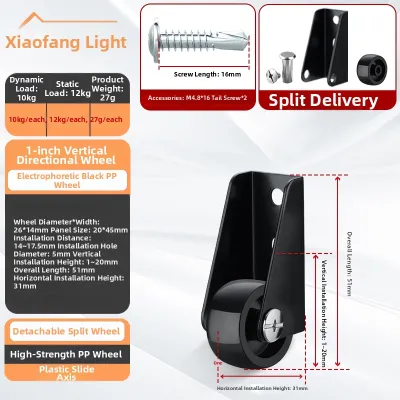
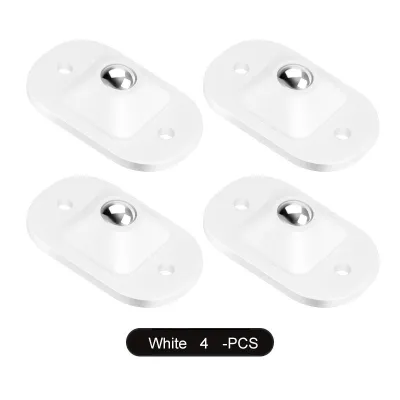
![[SG Seller]No Drill Self Adhesive Swivel Caster Wheel with ke Heavy Duty Sticky Furniture Moving Roller](https://img.lazcdn.com/g/p/3f1afc8d2f9a680a5d5c8514e0b5e099.jpg_400x400q80.jpg_.webp)

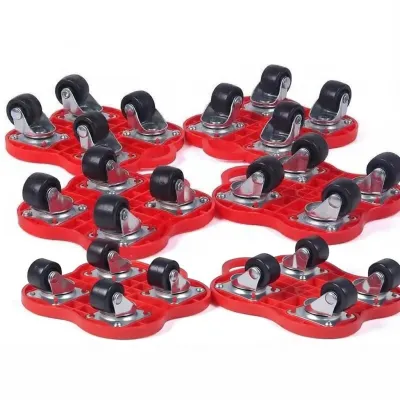
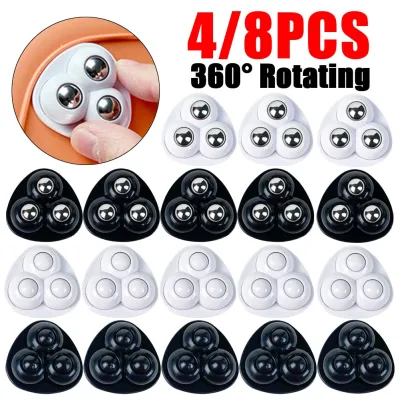
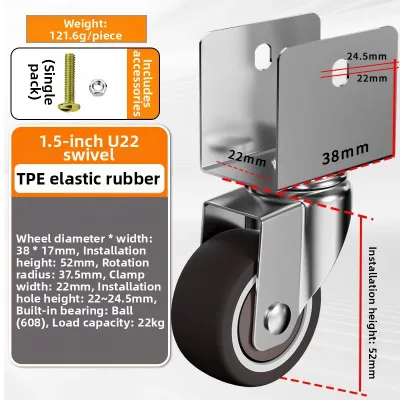
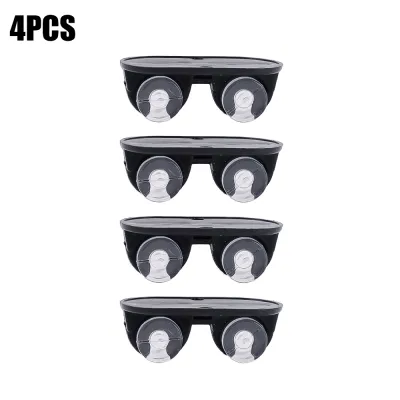
Prices are valid at publication and may change. Please refer to the product page for the latest price.
Finally, verify the manufacturer’s stated load rating per wheel, which is typically printed on the product packaging or detailed in the technical specification sheet. Ensure that the combined rating of three wheels exceeds your calculated total weight. Choosing wheels with an appropriate load capacity prevents flat spots, bent stems, and potential damage to your furniture’s mounting points. If you plan to move the furniture while it is fully loaded, selecting wheels with a slightly higher capacity than your minimum calculation will provide smoother rolling and greater long-term durability.
Match Wheel Materials to Your Floor Surface
Selecting the right wheel material is essential to protect your flooring from permanent scratches and ensure smooth, effortless movement. Different floor surfaces require distinct wheel characteristics to balance traction and protection. You should identify the primary flooring type in your home, distinguishing between hard surfaces like ceramic tiles, vinyl, laminate, and polished hardwood, and soft surfaces like rugs or thick carpets. Using the wrong wheel material can lead to costly floor repairs or permanent indentations.

For hard floors, look for wheels made of softer, non-marking materials such as polyurethane, soft rubber, or thermoplastic elastomer. These materials absorb minor vibrations, reduce rolling noise, and prevent scuffing or scratching on delicate surfaces. Polyurethane is particularly versatile as it offers the elasticity of rubber combined with the durability of metal, making it an excellent choice for protecting polished wood or delicate vinyl planks. Check the product labels carefully to confirm that the material is explicitly rated as non-marking for indoor residential flooring.
Conversely, carpeted floors require harder wheel materials like nylon or hard plastic. Harder wheels minimize rolling resistance, preventing the furniture from sinking deeply into the carpet fibers and making it much easier to push. If you have low-pile carpets, medium-hard rubber wheels may work, but high-pile or plush carpets definitely require solid nylon casters. Before finalizing your purchase, review the manufacturer’s floor compatibility guidelines and your flooring warranty to ensure the chosen wheel material will not void any protective coverage or damage the floor’s finish over time.
Choose Wheel Types Based on Movement Patterns
The way you intend to move your furniture dictates the type of caster mechanism you should select. Swivel casters rotate 360 degrees, offering multi-directional maneuverability that is ideal for tight spaces, narrow hallways, or furniture that requires frequent repositioning. Rigid casters, on the other hand, only move backward and forward, providing stable, straight-line tracking over longer distances. If you need to steer a heavy cabinet down a long hallway, rigid casters help keep the piece on a straight path without veering sideways.
Many setups benefit from a combination of both types, such as placing two rigid casters at the back and two swivel casters at the front to allow controlled steering. Additionally, evaluate whether you need locking mechanisms or brakes. Brakes are crucial for keeping furniture securely stationary during use, especially for mobile kitchen islands, utility carts, or items placed on slightly uneven surfaces. Look for total-lock brakes, which lock both the wheel rotation and the swivel mechanism simultaneously, providing maximum stability.
Consider how often you plan to move the furniture to determine the quality of the internal bearings. For items moved daily, look for casters with high-quality ball bearings that facilitate smooth rotation and reduce physical strain. For furniture that only moves occasionally for cleaning or rearranging, standard-duty sleeve bearings are usually sufficient and cost-effective. If the furniture is heavy, investing in ball bearings will make a noticeable difference in how much effort is required to initiate movement from a complete stop.
Verify Mounting Styles and Installation Requirements
Before purchasing new wheels, you must confirm how they will physically attach to your furniture’s existing base, legs, or frame. The two most common mounting styles are top plates and stems. Top plates are flat metal brackets that screw directly into the flat underside of the furniture, while stems are metal pins that insert into pre-drilled holes or sockets. Choosing the wrong mounting style can make installation impossible or weaken the structural integrity of your furniture.
To ensure a precise fit, measure the existing mounting points carefully. For top plates, measure the overall plate dimensions and the exact distance between the screw holes from center to center. For stem casters, use calipers or a precise ruler to measure both the diameter and the length of the stem, as even a millimeter of difference can prevent a secure fit or cause the wheel to wobble. Common stem types include threaded stems, which screw into place, and grip neck or grip ring stems, which snap into a matching socket.
Review the installation instructions provided by the manufacturer to verify you have the necessary tools, such as a drill, screwdriver, or wrench, and sufficient clearance around the furniture legs. If the furniture frame is made of soft wood or thin metal, check if you need reinforcing plates or specialized sockets to prevent the wood from splitting or the metal from bending under load. Proper installation ensures that the weight is distributed evenly across the mounting surface, preventing premature wear and keeping the furniture level.
Frequently Asked Questions (FAQ)
Can I use the same wheels for indoor and outdoor furniture?
Standard indoor furniture wheels are not designed to withstand outdoor environments. Outdoor use requires weather-resistant materials, such as stainless steel or zinc-plated hardware, and wheels made of UV-resistant polyurethane or solid rubber. Moisture, dirt, and temperature fluctuations can quickly rust indoor caster bearings and degrade soft wheel materials. Always check the manufacturer’s environmental ratings to verify that the wheels are certified for outdoor use before installing them on patio or balcony furniture.
How do I know if my current wheels need replacing?
You can identify worn-out or failing wheels through several observable signs. Inspect the wheels for visible flat spots, cracks, or severe discoloration, which indicate material degradation. If the furniture becomes difficult to push, makes persistent squeaking or grinding noises, or leaves scuff marks on your floors, the bearings or wheel surfaces have likely failed. When replacing damaged casters, it is advisable to replace the entire set at once to maintain an even furniture height and ensure balanced weight distribution.
Community discussion
Share your experience or ask a question. Comments are reviewed before publication.