
Choosing the right wall shelves for your HDB flat or condo involves more than just picking a style you like. In compact Singapore homes, the perfect shelf not only holds your belongings but also enhances your space without making it feel cramped. The key is to find a balance between your storage needs, the physical dimensions of your room, and the structural limits of your walls. A well-chosen shelf can transform a blank wall into a functional and beautiful display, while the wrong size can become a daily obstruction or a safety concern.
Assessing Your Wall Space and Room Proportions
Before you start browsing for wall shelves, your first step is to carefully evaluate your available space. Begin by measuring the total height and width of the wall you plan to use. Don’t just measure the empty expanse; you need to account for permanent fixtures. Note the location of skirting boards at the floor, ceiling cornices, light switches, power sockets, and any air-conditioning trunking. These elements define your true usable area.
Next, consider the clearance required for movement and other furniture. Measure the distance from the wall to any nearby furniture, walkways, or potential obstructions. A crucial check in smaller homes is the swing radius of doors and windows. Open your room door, wardrobe doors, and any nearby windows fully to see how far they extend. Don’t forget about ceiling fans; ensure there’s enough vertical clearance to prevent a shelf from interfering with the blades. A shelf that juts out too far can quickly turn a comfortable walkway into a narrow, awkward path.
Products mentioned in this guide
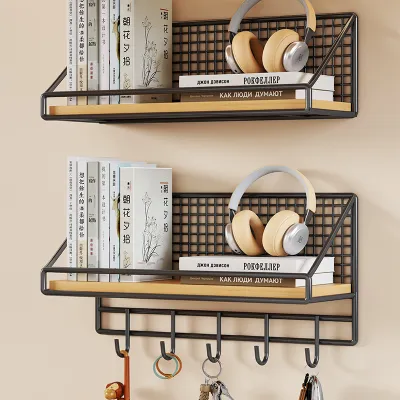
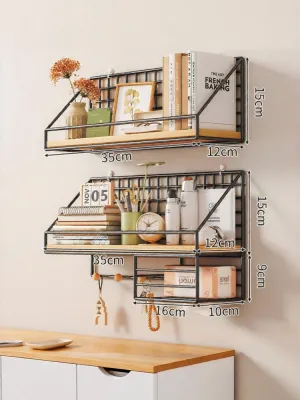
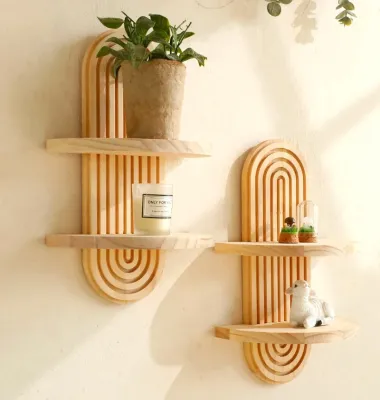
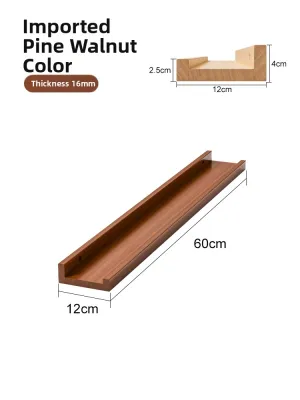
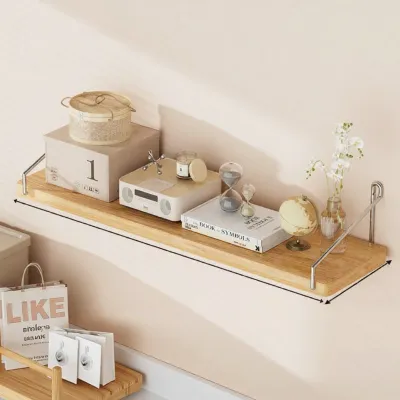
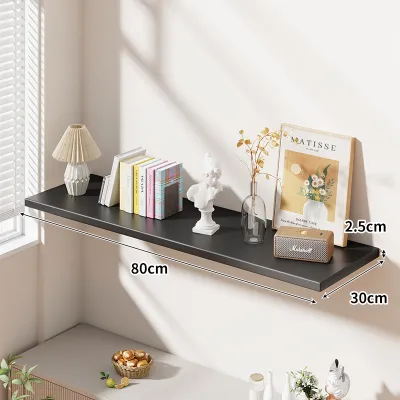
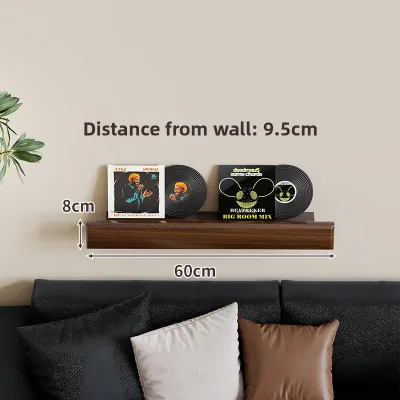
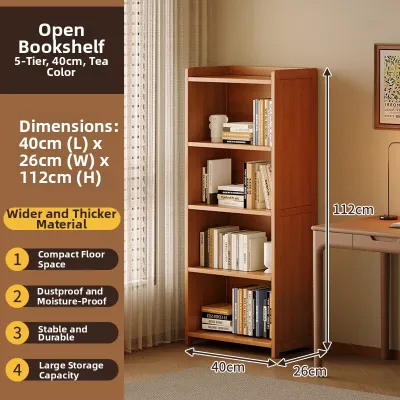
Prices are valid at publication and may change. Please refer to the product page for the latest price.
Finally, think about visual weight and balance. A wall completely covered in shelves can feel overwhelming and make a room seem smaller. Aim to leave “visual breathing room” around the entire shelving unit. As a general rule, plan for at least 15-20 cm of empty wall space on all sides of your shelf or shelving arrangement. This negative space helps frame the display, making it a deliberate feature rather than a crowded storage dump. In a compact HDB bedroom or condo living area, this visual lightness is essential for maintaining a sense of openness.
Matching Shelf Dimensions to Your Storage Needs
Once you know your spatial limits, you can focus on the shelf dimensions required for your items. The depth, width, and vertical spacing must align with what you plan to store or display.

Shelf Depth
The depth of your shelf determines what it can safely and practically hold. Your choice should be directly influenced by its intended purpose.
- Shallow shelves (10-15 cm deep) are perfect for small, lightweight items. Think picture frames, small decorative objects, spice jars in the kitchen, or a collection of small succulents. Their minimal projection into the room makes them ideal for narrow hallways or areas behind furniture.
- Standard shelves (20-30 cm deep) are the most versatile option. This depth is necessary for holding most paperback and hardcover books upright, as well as vinyl records, medium-sized potted plants, and larger decor pieces. This is a common choice for creating a functional wall bookshelf.
- Deep shelves (over 30 cm deep) should be used with caution in smaller homes. While they offer significant storage, they can protrude awkwardly, creating a hazard in high-traffic areas. Reserve them for specific needs, like storing large art books or AV equipment, and place them where they won't impede movement.
Width and Span
The width of your shelf affects both its load capacity and its visual impact. A single, very wide shelf can look sleek and minimalist, but it comes with structural challenges. The wider the span between supports (brackets), the more likely the shelf is to sag under weight, especially if made from materials like MDF or particleboard. For shelves wider than 80-100 cm, you will likely need thicker materials, stronger brackets, or an additional intermediate support bracket to distribute the load and prevent bowing.
Consider the overall proportions of your wall. A single shelf that is too short can look lost on a large wall, while one that is too wide can dominate a small one. Sometimes, a set of two or three shorter, staggered shelves can create a more dynamic and balanced composition than one long plank.
Vertical Spacing and Tiers
Planning the vertical distance between shelves is key to creating a functional and aesthetically pleasing arrangement. Before you install anything, measure the height of the tallest items you plan to place on each shelf and add at least 5-10 cm of clearance above it. This extra space prevents the display from looking cramped and makes it easier to take items on and off the shelf.
When planning multiple tiers, consider the overall height. The top shelf should generally be positioned so its contents are accessible, but you also don’t want it too close to the ceiling, which can create a top-heavy feel. Placing the lowest shelf at least 50-60 cm from the floor can also help, leaving space for other furniture or simply maintaining a lighter look. The goal is to balance maximum storage with a clean, organized appearance.
Navigating HDB and Condo Wall Types for Safe Installation
In Singapore’s HDB flats and condos, not all walls are created equal. The type of wall you have is the single most important factor determining the size, weight, and type of shelf you can safely install. Mounting heavy shelves on the wrong wall type is a serious safety hazard.
First, you need to identify your wall. Most residential properties in Singapore use two main types:
- Solid Walls: These are typically reinforced concrete or solid brick. They are the structural, load-bearing walls of the building. You can often identify them by knocking—they will produce a dull, solid thud. These walls are strong and can support heavy-duty shelves loaded with books or other dense items, provided you use the correct wall plugs and screws designed for concrete.
- Partition Walls: These are non-load-bearing walls, often made of drywall (plasterboard on a metal stud frame) or lightweight concrete blocks. They are used to divide interior spaces, such as separating bedrooms. Knocking on a partition wall will produce a hollow sound. These walls have a much lower load capacity.
Your wall type dictates your shelving options. Heavy, deep, or very wide wall shelves intended to hold a significant weight must be anchored securely to a solid concrete or brick wall. Attempting to mount a large, heavy bookshelf on a drywall partition is dangerous and can lead to the shelf tearing out of the wall, causing damage and potential injury.
For partition walls, you are limited to lightweight, shallow shelves. You must use specialized drywall anchors (like toggle bolts or spiral anchors) that are designed to distribute the load across the surface of the plasterboard. Even with these, you should only place light decorative items on them.
Before you drill any holes, perform essential safety checks. Use a stud finder or a digital detector to scan the wall for hidden electrical wiring, water pipes, and metal studs. This is especially critical in kitchens, bathrooms, and walls near utility closets. If you are unsure about the structural integrity of a wall or how to identify it, it is always best to consult your building’s management, check HDB renovation guidelines, or hire a qualified handyman or contractor.
Common Sizing Mistakes to Avoid in Compact Homes
When space is at a premium, small mistakes in judgment can have a big impact. Here are some common errors to avoid when choosing wall shelves for your HDB or condo.
Overestimating Depth A frequent mistake is choosing shelves that are deeper than necessary. A 30 cm deep shelf might seem great for storage, but in a 1-meter wide corridor, it instantly reduces your walking space by a third. For high-traffic areas, always err on the side of shallower shelves. Stick to your actual needs—if you’re only displaying photos, a 10 cm deep shelf is all you require.
Ignoring Bracket Footprint Don’t forget that the mounting hardware is part of the final installation. Heavy-duty brackets, while strong, can be bulky and visually intrusive. They also have their own physical footprint. Similarly, true “floating” shelves require robust internal brackets that must be recessed into the wall or need a certain minimum wall thickness for a secure fit. Always factor in the size and visual weight of the support system when planning your shelf’s final look and position.
Cluttering the Vertical Space In an effort to maximize storage, it’s tempting to install many shelf tiers very close together. However, this often backfires, creating a wall that looks cluttered, heavy, and chaotic. An over-stuffed shelving unit can make an entire room feel disorganized. Often, a better approach is to use fewer shelves with more generous spacing between them. This allows each displayed item to stand out and contributes to a more curated, intentional, and calming atmosphere.
Frequently Asked Questions (FAQ)
What is the standard depth for a wall bookshelf?
For a functional bookshelf, the standard depth you should aim for is between 20 cm and 30 cm. This range comfortably accommodates the vast majority of paperback and hardcover books without them overhanging the edge. If your primary goal is decorative—for displaying framed photos, small trinkets, or a single row of paperbacks—you can opt for a shallower depth of 15 cm to save space.
Can I install heavy-duty wall shelves on HDB partition walls?
It is strongly advised not to install heavy-duty wall shelves on HDB partition walls. These walls are typically made of drywall or lightweight blocks and are not designed to bear significant loads. Mounting heavy shelves, especially those intended for a large collection of books, poses a serious risk of the shelf failing and tearing out of the wall. For heavy storage needs, you should always anchor your shelves to a solid, structural concrete wall. Alternatively, consider using a floor-standing bookcase, which transfers the weight directly to the floor, or use multiple lightweight floating shelves specifically designed for drywall to display only light items.
Community discussion
Share your experience or ask a question. Comments are reviewed before publication.