
Finding a balanced look in a compact home means choosing decor that enhances your space without cluttering it. For small apartments, a highly functional vase is one that offers a narrow footprint, a stable base, and a clear or light-toned material to preserve visual openness. By selecting slender silhouettes like cylinders or tapered shapes, you can introduce natural elements without sacrificing precious surface area.
Assessing Your Available Space and Display Surfaces
Before purchasing a vase, measure the exact depth and width of your intended display surfaces. Console tables in narrow entryways, dining tables, and floating shelves all have strict physical limits. A practical approach is to ensure the base of the vase occupies no more than one-third of the surface depth, leaving a safe clearance margin to prevent accidental bumps.
Consider the flow of daily traffic around your furniture. In a compact studio or apartment, walkways are highly utilized, meaning a protruding vase on a low shelf or side table can easily be knocked over. Ensuring that your decor remains well within the boundaries of the tabletop helps maintain a safe and functional living environment.
Products mentioned in this guide
![[Local Stock] Elegant Transparent Glass Plant Flower Vase Pot](https://img.lazcdn.com/g/p/7bf4a85e45340c7fb55ec566cbed6128.jpg_400x400q80.jpg_.webp)
![[SG SELLER]Metal Gold Vase Flower Nordic Style Frame Iron Glass Tube Iron Pot Elegant Home Decoration Wedding Gift](https://img.lazcdn.com/g/p/689dbc8a278d4fdaf386ed4b2e02335c.jpg_400x400q80.jpg_.webp)
Prices are valid at publication and may change. Please refer to the product page for the latest price.
If you are considering a taller floor vase, measure the vertical clearance up to the ceiling or the underside of any overhead cabinetry. Ensure there is ample breathing room so the arrangement does not look squeezed into a tight corner. Checking these dimensions beforehand prevents the common mistake of buying a piece that physically fits but visually crowds the room.
Matching Vase Height to Room Proportions
Proportional balance is key to keeping a small room feeling spacious. For table displays, the height of the vase should ideally not exceed one-third of the height of the table it sits on. This ratio keeps the arrangement below eye level when guests are seated, preserving clear sightlines across the dining or living area.

Floor vases require a different approach in rooms with standard or lower ceilings. A very tall, heavy floor vase can draw the eye downward and make the ceiling feel lower than it actually is. To avoid a cramped sensation, opt for mid-sized floor vessels and pair them with slender, vertical branches that draw the eye upward naturally.
The type of foliage you choose also dictates the ideal vase height. Heavy, top-heavy fresh flowers require a sturdier, taller vessel to support their weight, whereas light dried florals or single stems can sit beautifully in shorter, delicate containers. Always test the stability of the combined vase and arrangement before finalizing its placement.
Choosing Vase Shapes for Small Footprints
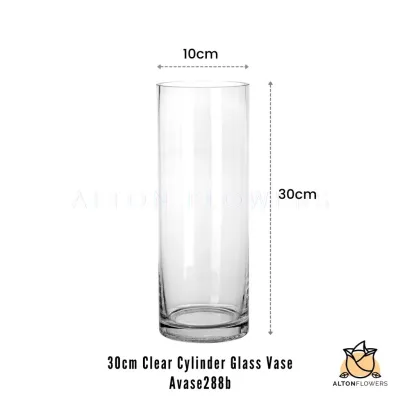
The silhouette of your vase determines how much physical and visual space it occupies. Cylindrical and tapered vases are highly efficient for narrow shelves because their straight or upward-narrowing lines take up minimal surface area. Bulbous or round vases, while classic, expand outward and can quickly crowd a shallow console table.
For exceptionally tight spots, flat-backed or half-moon vases are excellent space-saving alternatives. These designs sit flush against the wall, offering the look of a full arrangement while utilizing only half the depth of a standard round vessel. Wall-mounted pocket vases are another smart option that frees up table surfaces entirely.
When styling a small apartment, you must also decide between grouping multiple small bud vases or displaying a single statement piece. While a collection of tiny vases can look charming, it often creates more visual clutter than a single, well-scaled medium vase. A solitary, thoughtfully positioned vessel acts as a clean focal point, making the room feel more organized and intentional.
Managing Visual Weight and Budget Styling
Visual weight refers to how heavy an object appears to the eye, regardless of its actual physical weight. In compact living spaces, choosing materials with low visual weight helps maintain an airy, open atmosphere. Clear glass, frosted glass, and acrylic vases allow light to pass through, making them almost invisible while still supporting beautiful floral displays.
If you prefer ceramic or stoneware, look for light, neutral, or monochromatic colors that match or complement your apartment’s walls. Soft whites, creams, and light grays blend into the background, reducing the stark contrast that can make a room feel fragmented. Matte finishes also tend to soften the presence of larger decorative items.
Achieving a high-end look on a budget is entirely possible with versatile, multi-functional pieces. Instead of buying seasonal decor, invest in one high-quality, neutral vase under S$50 that can transition throughout the year. You can easily update its look by swapping out the contents—using fresh green leaves in the summer, dried cotton stems in the autumn, and bare branches during festive seasons.
Common Vase Sizing Mistakes in Compact Homes
One of the most frequent mistakes in small-space styling is placing oversized, opaque vases in areas that block natural light. Positioning a bulky ceramic piece directly in front of a window or on a windowsill cuts off the outdoor view and darkens the room, instantly making the space feel smaller.
Another hazard is using top-heavy or wide-based vases on narrow, unstable, or high-traffic surfaces. In busy households, a vase with a narrow base and a wide, heavy top is highly susceptible to tipping over if brushed against. Always check that the center of gravity remains low, especially when filling the vase with water or heavy branches.
Finally, do not ignore the scale of the floral arrangement itself. A correctly sized vase can still overwhelm a room if it is stuffed with an excessively large, sprawling bouquet. Keep arrangements scaled to the vessel and the surrounding space, opting for minimalist lines and single stems rather than dense, wide arrangements that crowd adjacent furniture.
Frequently Asked Questions (FAQ)
Can I use a large floor vase in a small apartment?
Yes, a large floor vase can work beautifully if placed strategically in an underutilized corner or alcove. To prevent it from dominating the room, choose a slender silhouette in a light, neutral tone or a textured material that matches your walls. Keep the arrangement inside minimal, using just a few tall, delicate branches to draw the eye upward without adding bulk.
What is the best vase shape for a narrow floating shelf?
The best shape for a narrow floating shelf is a flat-backed, half-moon, or slim cylindrical vase. These designs offer a shallow depth that fits securely within the shelf’s dimensions. Ensure the base is flat and stable, and avoid top-heavy arrangements that could compromise the shelf’s load capacity or cause the vase to tip forward.
How do I keep a tall vase from looking out of proportion?
To keep a tall vase in proportion with a low ceiling, place it directly on the floor rather than elevating it on a table or stand. Use low-profile, sparse, or cascading foliage instead of rigid, upright branches. This softens the vertical lines and prevents the top of the arrangement from feeling cramped against the ceiling.
Community discussion
Share your experience or ask a question. Comments are reviewed before publication.