
An effective umbrella storage bag keeps your entryway dry, organized, and free from tripping hazards. Selecting the right one requires balancing your available floor space, the number of umbrellas your household uses, and the specific water management features needed to protect your floors. This guide walks you through the essential criteria to evaluate before making a purchase, ensuring you choose a solution that fits your home’s layout and daily routines.
To make an informed decision, you must look beyond aesthetics. Entryways are high-traffic zones where space is often at a premium, especially in compact apartments or homes with narrow foyers. A poorly chosen storage bag can become an obstacle, block doors, or fail to contain dripping water, leading to damaged flooring and safety hazards. By systematically assessing your space, capacity needs, material properties, and functional features, you can find a storage solution that seamlessly integrates into your home while keeping wet weather messes at bay.
Assess Your Entryway Space and Layout
Before browsing online marketplaces or visiting local home goods stores, you must accurately measure your entryway. The physical footprint of an umbrella storage bag or stand determines where it can safely sit without obstructing daily movement. Start by measuring the available floor width and depth in the exact spot you plan to place the organizer. Compare these measurements directly against the manufacturer’s listed base dimensions to ensure a proper fit.
Products mentioned in this guide
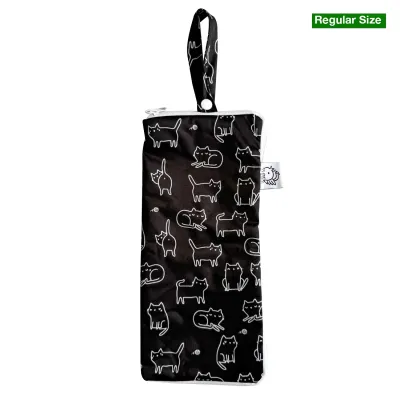
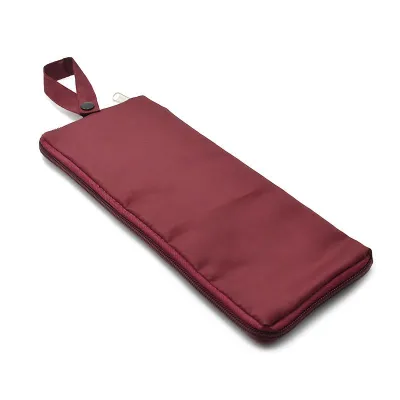
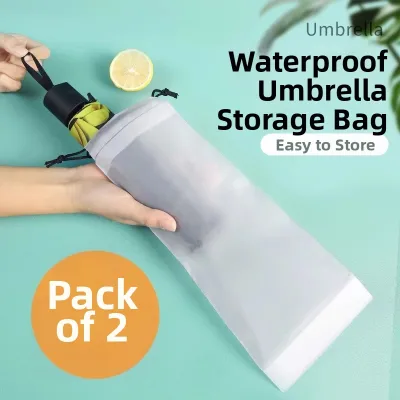
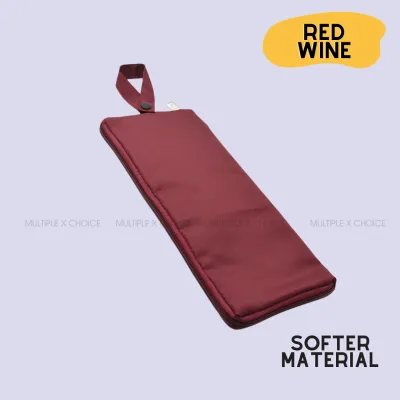
![[SG STOCK] 3 Pcs Umbrella Cover Storage Transparent Waterproof Drawstring Bag Pouch Sleeve](https://img.lazcdn.com/g/p/a3a6d039c784ce1cc51ee37de480ae39.jpg_400x400q80.jpg_.webp)
![[Singapore Ready Stock] Waterproof Umbrella Transparent Matte Outdoor Drawstring Bag Pouch Sleeve for Wet/Dry Umbrellas](https://img.lazcdn.com/g/p/39ca34ca328dfbb0195796fbc5425900.jpg_400x400q80.jpg_.webp)
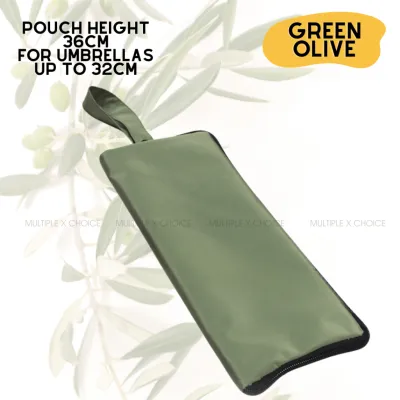
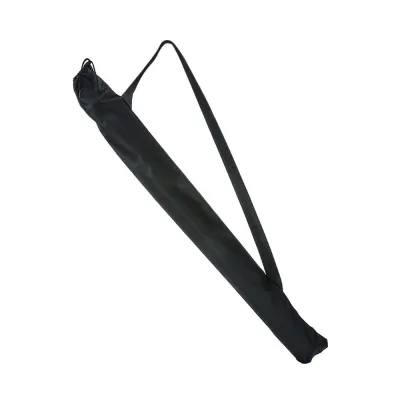
Prices are valid at publication and may change. Please refer to the product page for the latest price.
It is crucial to leave a buffer of a few centimeters around the unit to prevent it from rubbing against walls or adjacent furniture, which can cause scuffs over time.
Door swing clearance is another critical factor that homeowners often overlook. Open your main entry door, closet doors, and any nearby room doors fully to map out their swing paths. The storage bag must sit completely outside these zones to avoid being struck, tipped over, or scratched by moving doors.
Additionally, consider the flow of foot traffic. The ideal placement is close enough to the entrance for easy access immediately upon stepping inside, yet tucked away so it does not narrow the primary walking path. If your entryway features a tight corridor, a bulky floor model may not be practical.
When floor space is severely limited, you must evaluate vertical alternatives. Freestanding floor models are highly convenient and easy to relocate, but they require dedicated floor real estate. Wall-mounted storage bags or brackets utilize unused vertical space, keeping the floor completely clear. However, these require secure mounting hardware and a wall material that can support the weight of wet umbrellas.
Over-the-door options are another space-saving alternative, hanging directly on the back of an entry door or closet door. When choosing between these configurations, assess your wall construction, door thickness, and willingness to drill holes before finalizing your choice.
Determine Capacity and Umbrella Types
To choose a storage bag that meets your household’s needs, you must conduct a quick inventory of your umbrella collection. Start by counting the number of regular daily users in your home. As a general rule, plan for each family member to store at least one primary umbrella, and add a buffer of two to three extra slots for occasional guests or spare umbrellas.

A storage unit that is too small will lead to overcrowding, which slows down the drying process and can cause umbrellas to tangle or damage one another. Conversely, an excessively large organizer takes up valuable space unnecessarily.
The specific types of umbrellas you own will dictate the internal structure and depth required. Long stick umbrellas, golf umbrellas, and traditional walking-stick models require a tall, stable structure to prevent them from tipping over. Check the manufacturer’s specifications for the internal depth or height of the storage bag.
If the unit is too shallow, top-heavy stick umbrellas will lean outward, destabilizing the base and creating a tipping hazard. Look for models with built-in internal dividers or individual slots, which keep long umbrellas upright and organized rather than clumped together in a single mass.
Compact folding umbrellas present a different storage challenge. Because they are much shorter, they can easily get lost at the bottom of a deep storage bag, making them difficult to retrieve. To accommodate these, look for storage solutions that feature separate compartments, external hooks, or adjustable-height slots designed specifically for small folding models.
Some fabric storage bags include exterior mesh pockets or hanging loops that allow compact umbrellas to dry on the outside of the main compartment. Ensuring your chosen bag has dedicated spaces for both long and short models will maximize its utility and keep your entryway looking tidy.
Evaluate Materials and Water Management
Because the primary purpose of an umbrella storage bag is to hold wet items, the materials used in its construction must be highly resistant to moisture. When reviewing product descriptions, look for manufacturer specifications detailing rust-proof coatings, water-resistant fabrics, or treated metals.
For metal frames or stands, powder-coated steel or anodized aluminum are reliable choices as they resist corrosion when exposed to dampness. If you prefer fabric or soft-sided bags, verify that the material is a heavy-duty synthetic, such as polyester or nylon with a waterproof polyurethane backing, which prevents water from seeping through to your walls or floors.
Effective water management is the most critical functional aspect of any umbrella organizer. Without a proper system to collect runoff, water will pool at the bottom of the bag or leak onto your entryway floor, potentially damaging hardwood, laminate, or tile grout.
Look for storage bags that feature a built-in, removable drip tray or a waterproof bottom liner. A removable tray is highly desirable because it allows you to easily slide the tray out, empty the collected water, and rinse it clean.
Some models utilize absorbent diatomaceous earth mats or quick-drying liners at the base to soak up moisture rapidly and prevent standing water.
Maintenance and cleaning requirements should also influence your material choice. Over time, dust, dirt, and moisture will accumulate inside the storage bag, creating an environment prone to mildew and odors. Check whether the interior surfaces can be easily wiped down with a damp cloth and mild detergent.
For fabric bags, verify if the material is machine washable or if it requires specialized spot cleaning. Avoid materials that trap moisture without ventilation, such as untreated wood or non-breathable plastics, as these can degrade quickly and are difficult to sanitize once mold takes hold.
Match Style and Functional Features
Your entryway sets the first impression for your home, so the umbrella storage bag should complement your existing decor rather than clash with it. Consider the visual weight, color, and texture of the organizer to ensure it aligns with your entryway furniture, coat racks, or shoe consoles.
A sleek, minimalist metal frame in matte black or white fits modern and industrial interiors, while a textured fabric bag in neutral tones like grey or beige suits softer, contemporary, or Scandinavian styles. Choosing a design that blends seamlessly with your decor helps maintain a cohesive and welcoming entrance.
Stability is a paramount safety consideration, particularly in active households. A tall umbrella stand filled with heavy, wet stick umbrellas can easily become top-heavy and tip over if bumped. To prevent this, check for stability features such as a weighted base, non-slip rubber feet, or anti-tip wall anchors.
Non-slip feet not only keep the unit firmly in place on slick tile or polished wood floors but also protect your flooring from scratches. If you have young children or energetic pets, prioritizing a highly stable, low-center-of-gravity design or a wall-anchored model is essential to prevent accidental tipping.
For highly constrained entryways, multi-functional designs offer excellent space efficiency. Some umbrella storage units are integrated into larger entryway organizers, combining umbrella slots with coat hooks, shoe racks, or small storage benches. These multi-purpose pieces maximize the utility of a single footprint, allowing you to organize multiple entryway essentials in one place.
When evaluating these integrated units, ensure that the wet umbrella section is physically isolated from the shoe or coat storage areas to prevent moisture from transferring to your dry garments and footwear.
Your Step-by-Step Selection Checklist
To simplify your decision-making process, use this step-by-step checklist to compare different umbrella storage options before making your final purchase:
- Measure Your Space: Confirm the exact floor footprint, height, and door clearance requirements. Ensure there is a buffer around the unit and that it does not block any high-traffic pathways or door swings.
- Calculate Capacity: Count your household's umbrellas and add a buffer for guests. Verify that the slot configuration and internal depth match your specific mix of long stick umbrellas and compact folding models.
- Inspect Water Management: Check for a removable drip tray, waterproof liner, or absorbent base. Ensure the water collection system is easy to empty and clean to protect your entryway flooring.
- Verify Material Durability: Look for rust-proof coatings on metal parts and water-resistant, breathable fabrics. Confirm that the interior can be easily wiped down or washed to prevent mold and mildew.
- Assess Stability and Safety: Look for a weighted base, non-slip feet, or wall-anchoring hardware, especially if you have children or pets.
- Review Assembly and Policies: Check if the product requires assembly and if the necessary tools are included. Review the retailer's return policy and warranty terms in case the unit does not fit your space as expected.
Frequently Asked Questions (FAQ)
How do I prevent mold inside an umbrella storage bag?
To prevent mold and mildew, you must establish a routine maintenance habit. Always empty and dry the removable drip tray or bottom liner regularly, especially after heavy rainstorms. Wipe down the interior surfaces of the bag with a dry cloth or a mild disinfectant wipe to remove accumulated moisture and dust, then allow the bag to air out completely in a well-ventilated area.
Whenever possible, shake off excess water from your umbrellas before placing them inside the storage bag to minimize the amount of standing water collected. Following the manufacturer’s specific care and cleaning instructions will ensure the materials remain hygienic and odor-free over the long term.
Can I use an umbrella storage bag outdoors or on a balcony?
Whether you can use an umbrella storage bag outdoors depends entirely on its material specifications. Standard indoor storage bags are typically not designed to withstand direct exposure to sunlight, heavy rain, or extreme temperature fluctuations. Before placing a unit outdoors or on an open balcony, check the manufacturer’s ratings for UV resistance and outdoor weatherproofing.
Outdoor-grade models are constructed from heavy-duty, rust-resistant metals, UV-treated plastics, or marine-grade fabrics that will not degrade under harsh environmental conditions. Additionally, ensure the outdoor placement has proper drainage to protect your balcony surfaces or decking from water runoff, preventing stains or wood rot.
Community discussion
Share your experience or ask a question. Comments are reviewed before publication.