
Choosing the right TV shelf rack size requires balancing the physical dimensions of your television with the spatial constraints of your living room. A properly sized rack ensures visual harmony, prevents accidental bumps, and positions the screen at a comfortable viewing height. By measuring your television’s actual width, calculating your seated eye level, and verifying the delivery path through your building’s lift and doorways, you can select a piece of furniture that is both functional and safe.
Measure Your TV and Available Room Space
Before browsing online marketplaces or visiting furniture showrooms, you must obtain precise measurements of both your television and the designated room space. Many homeowners make the mistake of relying solely on the television’s advertised screen size. This advertised size is a diagonal measurement of the screen itself, which excludes the outer bezel, frame, and the physical stand. To get the true dimensions, use a measuring tape to record the absolute width, height, and depth of the entire television unit.
Next, evaluate the floor and wall area where the rack will stand. Measure the total width of the available wall, taking note of architectural features that could restrict placement. Look for electrical outlets, fiber termination points, and light switches that must remain accessible. If you plan to place the rack between a doorway and an adjacent piece of furniture, ensure there is sufficient clearance to prevent the setup from obstructing natural foot traffic.
Products mentioned in this guide
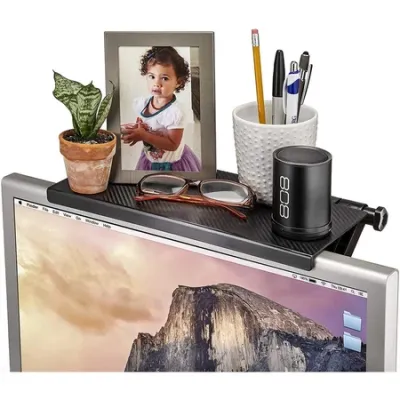
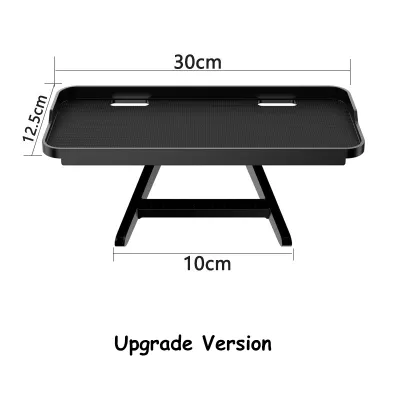
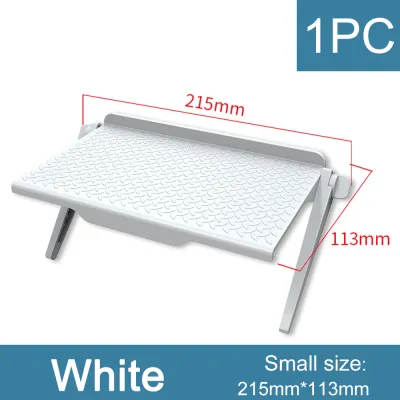
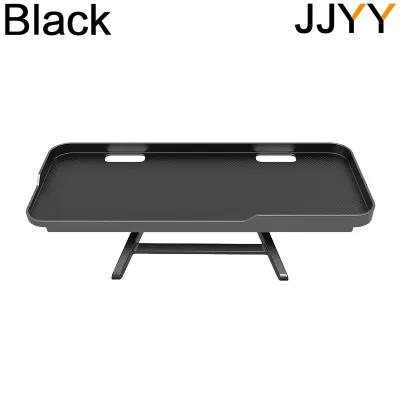
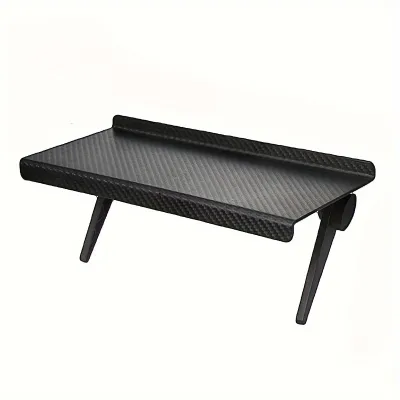
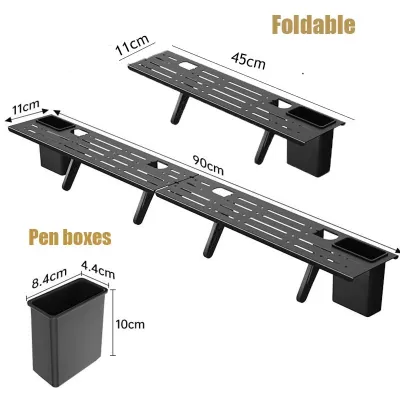
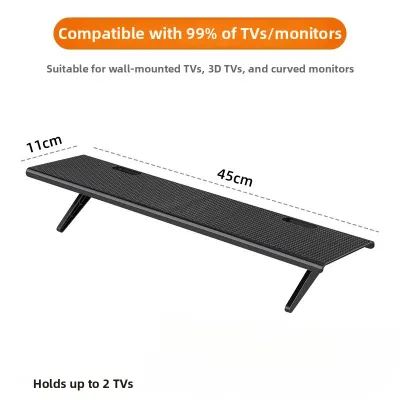
![[SG Ready Stock] Designer TV Cabinet (Wooden TV Console) Home And Style](https://img.lazcdn.com/g/p/87e73cf2dcca66015fc1d6ab80d2c425.jpg_400x400q80.jpg_.webp)
Prices are valid at publication and may change. Please refer to the product page for the latest price.
Finally, consider the logistics of bringing the furniture into your home. In high-rise residences, such as apartments and condominiums in Singapore, narrow corridors, tight stairwells, and elevator dimensions can pose significant delivery challenges. Measure the height and width of your front door, the elevator entrance, and the interior cabin of the lift. Comparing these dimensions against the fully assembled or packaged size of the rack prevents the frustration of a failed delivery.
Match the Rack Width to Your TV and Stand
Achieving visual balance is essential when matching your TV shelf rack to the width of your television. As a general design guideline, the rack should be wider than the television on both sides. A television that overhangs the edges of its supporting furniture looks top-heavy and is highly vulnerable to being bumped or knocked over. Aim for a rack that extends at least 10 to 15 centimeters beyond the left and right edges of your television screen to create a stable, anchored look.

The design of your television’s stand also dictates the minimum width of the rack. Televisions with a central pedestal stand require less surface area, but models with wide-set legs near the outer edges of the frame demand a much wider surface. Measure the footprint of the stand itself, checking both its width and depth, to ensure it sits entirely and securely on the top surface of the rack without any part of the legs creeping near the edges.
Additionally, think about how you plan to use the remaining surface space. If you intend to place standalone bookshelf speakers, a smart home hub, or decorative items alongside the screen, you will need to factor in this extra width. Review the furniture manufacturer’s specifications to confirm the maximum recommended screen size and weight capacity for the rack, ensuring the structure can safely support your specific setup.
Calculate the Ideal Rack Height for Eye-Level Viewing
To prevent neck strain and ensure a comfortable viewing experience, the height of your TV shelf rack must align the center of the television screen with your seated eye level. To calculate this, sit on your primary sofa or armchair in your typical viewing posture. Have someone measure the distance from the floor to your eyes. For most standard living room setups, this seated eye level ranges between 95 and 115 centimeters from the floor.
Once you have your seated eye level, measure the distance from the bottom of your television stand to the vertical center of the screen. Subtract this measurement from your seated eye level to find the ideal height for the top surface of your rack. For example, if your eye level is 100 centimeters and the center of your TV screen sits 40 centimeters above its stand, your ideal rack height would be approximately 60 centimeters.
Keep in mind that seating arrangements vary. If you are choosing a rack for a bedroom where you will watch television from an elevated bed, you will likely require a taller rack or a wall-mounted setup with a tilting bracket. Conversely, low-profile lounge seating requires a lower rack to keep the screen from forcing your gaze upward. Adjust your calculations based on the specific furniture and reclining habits of your household.
Verify Depth, Weight Capacity, and Equipment Storage
A successful furniture choice requires verifying that the rack can handle the physical weight and depth of your media equipment. Modern televisions are lighter than older models, but they still exert significant downward force, especially when paired with heavy soundbars or decorative objects. Always compare the combined weight of your television and accessories against the manufacturer’s stated weight capacity for the top shelf.
Shelf depth is equally critical for housing peripheral electronics. Gaming consoles, media players, and audio-visual receivers often require more depth than a slim television. Measure the depth of your largest device, adding at least 5 to 8 centimeters to account for rear cable connections and plugs. Ensure the shelves of the rack can accommodate these dimensions so that your devices do not protrude past the front edge of the furniture.
Furthermore, pay close attention to ventilation. Electronics generate heat during operation, and trapping them in tightly enclosed cabinets can lead to overheating and premature hardware failure. If you prefer a clean look with closed doors, check that the cabinet features open backs, dedicated ventilation grates, or wire management cutouts that facilitate continuous airflow around your devices.
Common Sizing and Placement Mistakes to Avoid
One of the most common oversights when planning a living room layout is forgetting to account for the thickness of skirting boards. These wooden or tiled borders run along the base of the wall and can prevent a flat-backed TV shelf rack from sitting flush against the wall. This gap can push the entire unit forward by several centimeters, potentially blocking narrow walkways or interfering with nearby doors.
Another frequent error is confusing the diagonal screen size of a television with its actual physical width. A television marketed as a 55-inch model does not measure 55 inches (approximately 140 centimeters) from left to right; that measurement is diagonal. Purchasing a rack based on the diagonal screen size often results in buying a piece of furniture that is far too narrow, leaving the television looking cramped or overhanging the edges.
Lastly, do not ignore the physical space required for cable management. Power strips, HDMI cables, and power adapters require physical clearance behind your devices. If you choose a rack with a depth that matches your devices exactly, you may find yourself unable to push the furniture back against the wall without bending and damaging your cables. Always allow a buffer zone for wiring behind the rack and inside the shelves.
Frequently Asked Questions (FAQ)
Should the TV shelf rack be wider than the TV itself?
Yes, the rack should ideally be wider than the television. Choosing a wider rack provides a visual anchor for the room, making the setup look balanced and intentional. It also prevents the edges of the television from overhanging, which reduces the risk of accidental bumps. Additionally, a wider rack offers valuable surface space for peripheral devices like soundbars, gaming controllers, or decorative items, while ensuring you comply with the manufacturer’s structural guidelines.
How do I know if a TV shelf rack will fit through my doors and elevator?
To ensure the rack can be delivered safely to your residence, compare its packaged or fully assembled dimensions against the narrowest points of your entry path. Measure the height and width of your apartment’s front door, the elevator door opening, and the interior depth of the elevator cabin. Do not forget to check the clearance of tight corners in your building’s corridors or stairwells, ensuring the delivery team has enough room to maneuver the furniture safely.

Community discussion
Share your experience or ask a question. Comments are reviewed before publication.