
Finding the right console table for your TV in a Singapore home is a balancing act between screen dimensions, room layout, and daily foot traffic. In compact HDB flats or modern condominiums, every square centimetre of floor space counts, making the choice of furniture size critical for both safety and aesthetics. A well-proportioned console table not only anchors your entertainment setup but also ensures comfortable viewing angles and smooth movement around the living room.
To make an informed decision, you must look beyond the diagonal screen size advertised by TV manufacturers. By measuring the actual physical footprint of your television, assessing your room’s layout, and planning for delivery access, you can select a console table that fits your space seamlessly.
Measure Your TV Dimensions and Viewing Distance
When choosing a console table, the first step is to measure the physical width of your television rather than relying on the advertised screen size. Advertised sizes, such as 55 inches or 65 inches, measure the screen diagonally and do not account for the outer frame or bezel. Use a measuring tape to find the actual horizontal width from the far-left edge to the far-right edge of the TV frame. To achieve a balanced look, select a console table that is at least 10 to 20 centimetres wider than the TV on each side.
Products mentioned in this guide
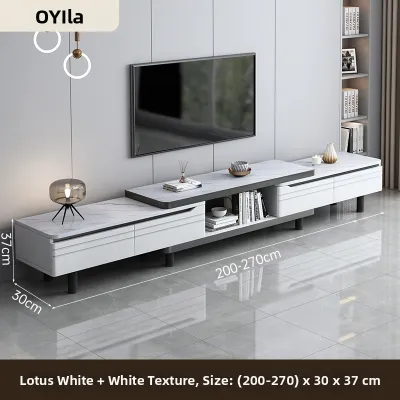
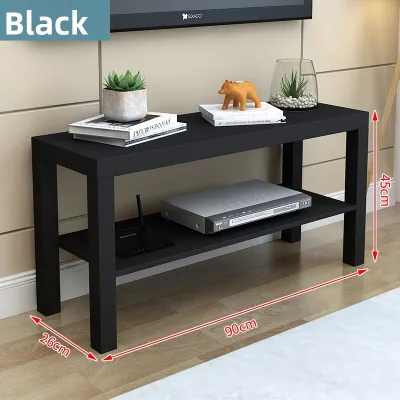
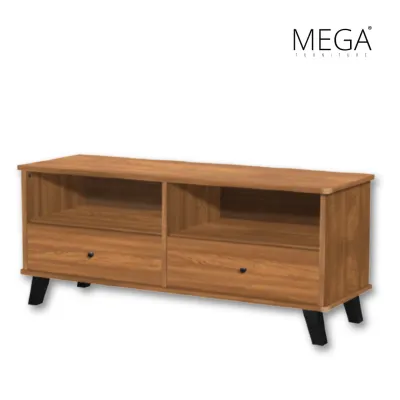
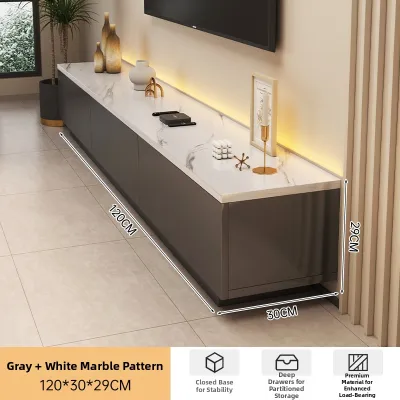
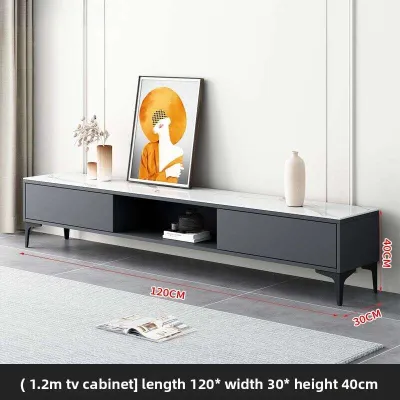
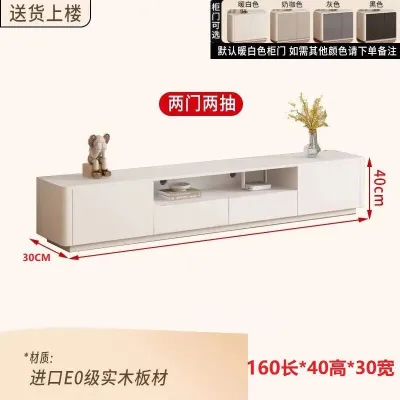
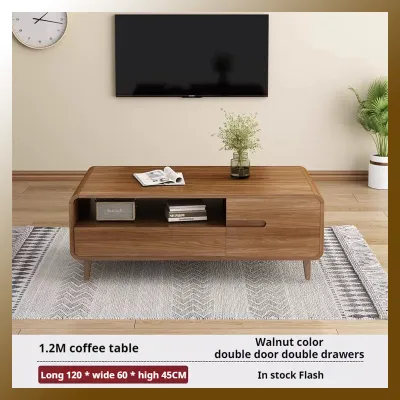
Prices are valid at publication and may change. Please refer to the product page for the latest price.
Next, consider your viewing distance to determine where the console table should sit relative to your seating. A standard guideline for high-definition screens is to maintain a viewing distance of approximately 1.5 to 2.5 times the diagonal screen size. If your living room layout forces your sofa close to the wall, a shallower console table may be necessary to preserve this comfortable viewing distance and prevent eye strain.
Finally, measure the depth of your TV’s stand base and any front-facing media accessories. Many modern televisions feature wide, splayed legs that require a deeper surface than the screen itself. If you plan to place a soundbar, gaming console, or media player in front of or below the TV, ensure the console table surface has enough depth to accommodate these items without any overhang.
Assess Your Living Room Layout and Traffic Flow
Before committing to a console table size, measure the designated wall space in your living room. Avoid choosing a unit that spans the entire length of the wall, as this can make the room feel cramped and leave no space for other essentials. Leave a buffer of at least 30 centimetres on either side of the console table to accommodate floor lamps, air purifiers, or indoor plants. This buffer helps frame the entertainment area and keeps the layout looking intentional.

Walkway clearance is another critical factor, especially in high-traffic areas. In typical Singapore apartment layouts, the path between the coffee table and the TV console can easily become congested. Aim for a clear walkway of at least 60 to 90 centimetres in front of the console table. This ensures that family members can walk past comfortably without having to squeeze through or risk bumping into the furniture.
Additionally, check for potential physical obstructions in the immediate area. Ensure the console table’s depth and width do not block nearby door swings, balcony sliding doors, or household shelter entrances. You should also verify that the height of the unit does not interfere with low-hanging wall-mounted air conditioning units, light switches, or electrical sockets, ensuring full access to your home’s utilities.
Match Console Table Proportions to Your Seating
The height of your console table directly impacts your viewing comfort and physical posture. To prevent neck strain during extended viewing sessions, the center of your TV screen should align with your seated eye level. Sit on your primary sofa and measure the height from the floor to your eyes. Subtract half of your TV’s height from this measurement to find a suitable height for your console table, which typically ranges between 45 and 60 centimetres.
Visual proportion is equally important when matching furniture to your room’s scale. For compact living rooms, a bulky, solid-wood console table can overwhelm the space. Instead, opt for minimalist designs, floating wall-mounted units, or tables with open metal frames that allow light to pass through, creating a sense of openness. For larger, open-concept living areas, a sturdier console table with closed cabinetry provides the visual weight needed to anchor the room.
Do not forget to consider the space beneath the console table for routine cleaning. If you use a robotic vacuum cleaner, check that the clearance under the unit is high enough—usually at least 10 centimetres—for the vacuum to navigate freely. Alternatively, choosing a completely closed plinth base or a wall-mounted floating console eliminates the need to clean underneath the furniture altogether.
Verify Weight Capacity and Installation Clearances
Safety should always be a priority when setting up your home entertainment center. Always check the manufacturer’s specified weight capacity for the console table before making a purchase. Calculate the combined weight of your television, soundbar, media players, and any decorative items you plan to display. Ensuring the table can comfortably support this load prevents the surface from sagging or warping over time.
For households with young children or active pets, wall-anchoring is an important safety measure. Tall, narrow, or top-heavy console tables can easily tip over if pulled or bumped. Check if the console table includes anti-tip hardware, and ensure you use the correct wall plugs and screws for your specific wall type, whether it is concrete, brick, or drywall.
Finally, verify the alignment of the console table’s built-in cable management cutouts with your wall outlets. Modern homes require multiple power points and internet ports for media setups. A console table with well-positioned cable holes allows you to route wires directly to the wall sockets, keeping cords hidden from view and preventing a cluttered appearance behind your entertainment center.
Avoid Common Sizing and Delivery Mistakes
One of the most common mistakes is selecting a console table that is narrower than the physical base of the television. This setup is not only visually unappealing, making the TV look top-heavy, but it also poses a serious tipping hazard if the screen is accidentally bumped. Always ensure the console table is wider than both the screen and its stand to maintain physical and visual stability.
Another frequent oversight is ignoring the depth required for rear-facing cables and connectors. Devices like AV receivers, gaming consoles, and cable boxes often have HDMI and power cords protruding several centimetres from the back. If your console table is too shallow, these cables will prevent the devices from fitting inside the shelves, or force you to pull the entire table away from the wall, wasting valuable floor space.
Lastly, always measure your delivery access routes before finalizing your purchase. In Singapore, navigating tight condominium corridors, HDB passenger lifts, and apartment doorways can be a challenge for large furniture pieces. Measure the height, width, and depth of your building’s elevator and your front door frame to ensure the packaged console table can be safely transported into your home without damage.
Frequently Asked Questions (FAQ)
Can a console table be shorter than the TV?
It is highly discouraged to use a console table that is shorter than your TV. Visually, a wider TV overhangs the sides of a shorter table, creating an unbalanced, top-heavy appearance that disrupts the room’s design harmony. Physically, any overhang increases the risk of the television being bumped, snagged, or tipped over, posing a significant safety hazard to your household and your electronics.
How much space should I leave behind the console table?
You should ideally leave a gap of at least 5 to 10 centimetres between the back of the console table and the wall. This space accommodates thick power plugs, HDMI cables, and adapters without bending or damaging them. Furthermore, leaving a small gap ensures adequate ventilation for enclosed media cabinets, preventing gaming consoles and AV receivers from overheating during extended use. Finally, this gap accounts for the thickness of your wall skirting boards, allowing the table to sit stably.
Community discussion
Share your experience or ask a question. Comments are reviewed before publication.