
Choosing the right tv cabinet set is more than just finding a piece of furniture that matches your decor. To select the perfect size, you must balance the physical dimensions of your television, the layout of your living room, and the ergonomic requirements of comfortable viewing. A cabinet that is too small makes your setup look top-heavy and unstable, while one that is too large can overwhelm your living space. By matching the cabinet’s width, height, and depth to your specific room and TV, you can create a safe, visually balanced, and highly functional entertainment hub.
Quick Guide to Sizing Your TV Cabinet Set
When selecting a tv cabinet set, the golden rule of visual design is that the cabinet should always be wider than the television it supports. This creates a stable visual base and prevents the setup from looking top-heavy. A TV that overhangs its stand is not only a safety hazard but also disrupts the aesthetic flow of the room.
To find the right fit, you must evaluate three primary dimensions: width, depth, and height. Width ensures proper visual proportion and prevents accidental bumps. Depth accommodates the physical footprint of your TV stand, soundbars, and gaming consoles while leaving room for cable routing. Height determines the angle at which you watch your screen, directly impacting physical comfort during long viewing sessions.
Products mentioned in this guide
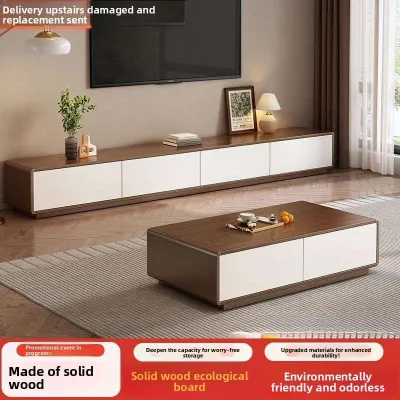
![[CozyNest ]Tv Console Cabinet Modern Solid Wood TV Stand with Coffee Table - Wall Mounted Combination Cabinet TV Cabinet Coffee Table Set Home Tv Console Cabinet](https://img.lazcdn.com/g/p/e7dc78ef86bc374d62ad7d42a26ac798.jpg_webp_400x400q80.jpg_.webp)
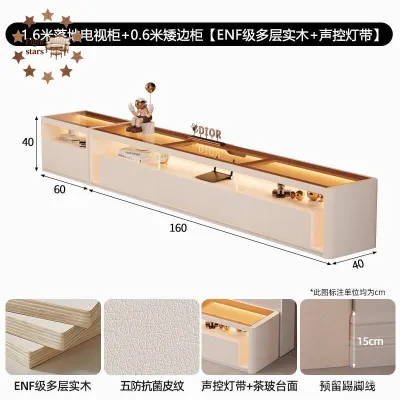
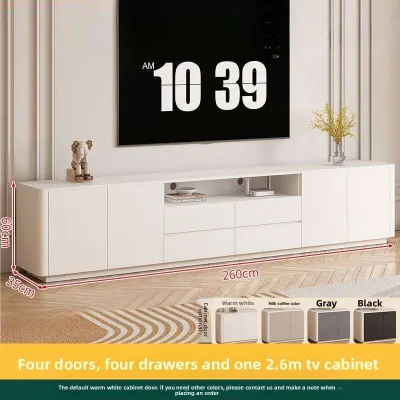
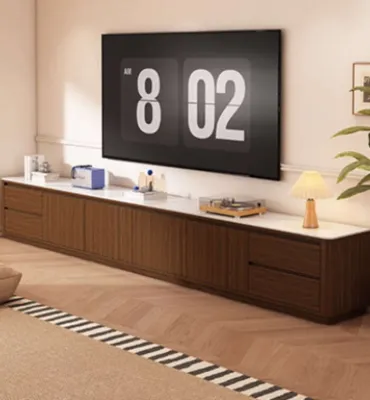
Prices are valid at publication and may change. Please refer to the product page for the latest price.
Many homeowners make the mistake of relying solely on their television’s advertised screen size when shopping for furniture. A “65-inch TV” refers to the diagonal measurement of the screen, not its actual physical width. Always measure the physical outer borders of your television and compare them directly against the finished dimensions of the furniture before making a purchase.
Step 1: Measure Your TV and Available Wall Space
Before browsing for a new tv cabinet set, take precise physical measurements of both your television and the intended installation area. Relying on guesswork often leads to costly delivery returns or an awkward layout that restricts movement in your home.

Start by measuring the physical width, height, and depth of your television. If you plan to place the TV on its stand rather than mounting it on the wall, measure the TV with the stand attached. Note the distance between the outer edges of the TV stand’s feet, as some modern televisions feature wide, splayed legs that require a much wider and deeper surface than traditional center-pedestal stands. If you plan to wall-mount the television above the cabinet, you still need the TV’s physical width to ensure the console underneath is wide enough to anchor the visual composition.
Next, turn your attention to the available wall space in your living room. In Singaporean apartments, such as HDB flats and condominiums, wall space is frequently interrupted by structural columns, household shelter doors, air conditioning trunking, light switches, and electrical outlets. Use a metal measuring tape to record the maximum width of the clear wall area. Be sure to account for any adjacent furniture, such as bookshelves or dining tables, to prevent the layout from feeling cramped.
Finally, consider the traffic flow and walkways around the entertainment area. A TV cabinet should never block pathways or make it difficult to navigate the room. Ensure there is a clear walkway of at least 60 to 90 cm between the front edge of the cabinet and any opposing furniture, such as a coffee table or sofa. This clearance allows for comfortable movement and ensures cabinet doors or drawers can be opened fully without obstruction.
Step 2: Determine the Ideal TV Cabinet Width
Achieving the right visual balance is essential when integrating a tv cabinet set into your living room. The cabinet serves as the anchor for the entire wall, and its proportions dictate how spacious or cluttered the room feels.
To prevent a top-heavy and unstable appearance, the cabinet must extend past the outer edges of the television. When a TV is wider than its supporting console, it creates visual tension, making the television look precarious and the room feel disorganized. A wider cabinet provides a sense of grounding and stability, making the entire entertainment area look intentional and professionally designed.
For the best visual proportion, follow the overhang rule: aim for a minimum of 5 to 10 cm of clearance on each side of the television. For a more premium, spacious look, an overhang of 15 to 20 cm on each side is ideal. For example, a standard 55-inch television has an actual physical width of approximately 122 cm. Applying the overhang rule means you should pair it with a tv cabinet set that is at least 140 to 160 cm wide. If you have a 65-inch TV (approximately 145 cm wide), look for a cabinet that is at least 170 to 185 cm wide.
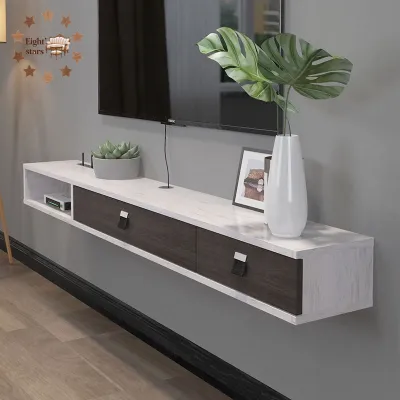
In compact Singaporean homes, scaling the furniture to the room size is crucial. In smaller HDB flats, a massive 2.4-meter console can easily dominate the room and restrict floor space. In these scenarios, consider a floating or wall-mounted TV cabinet. Floating units keep the floor clear, creating the illusion of more space and making cleaning much easier. For larger landed properties or spacious executive apartments, a longer, low-profile cabinet helps fill a wide wall beautifully without making the room look sparse.
If your room layout forces the television to be placed off-center due to structural features or window placement, you can use asymmetrical styling. Choose a wider cabinet and position the television on one side, balancing the opposite side with decorative items, books, or a small houseplant. This maintains visual equilibrium without requiring perfect symmetry.
Step 3: Optimize Depth, Height, and Viewing Comfort
While width is crucial for visual appeal, the height and depth of your tv cabinet set directly affect your daily comfort and the safety of your electronic equipment.
To determine the ideal cabinet height, you must calculate your seated eye level. For most standard sofas, a person’s eye level when seated comfortably is roughly 90 to 100 cm from the floor. For optimal viewing comfort and to prevent neck strain, the center of the television screen should align directly with this eye-level line.
To calculate your target cabinet height, use this simple formula:
- Sit on your sofa and measure the distance from the floor to your eyes.
- Measure the physical height of your television screen and divide that number by two to find the screen's midpoint.
- Subtract the screen's midpoint from your seated eye-level height.
The resulting number is the ideal height for the top surface of your TV cabinet. For instance, if your seated eye level is 95 cm and your TV screen is 70 cm tall (midpoint of 35 cm), your cabinet should be approximately 60 cm tall. If you prefer a low-profile aesthetic, you may choose a shorter cabinet, but avoid exceptionally tall consoles that force you to look upward, as this can cause physical discomfort during extended viewing.
Cabinet depth is equally important for supporting your media setup. Most standard TV cabinets range from 40 to 50 cm in depth. This space is generally sufficient to accommodate the physical stand of the television, a soundbar, and media players. Before purchasing, verify that your TV stand’s footprint fits entirely within the cabinet’s depth with at least 5 cm of clearance to spare. This prevents the stand from sitting too close to the edge, reducing the risk of accidental tipping. Additionally, ensure there is enough depth inside the cabinet compartments to store gaming consoles and receivers while leaving room for rear cable connections and proper air circulation.
Finally, verify that your viewing distance matches your screen size. As a general guideline, the distance between your sofa and the TV screen should be approximately 1.5 to 2 times the diagonal width of the television. Ensuring this distance is correct before finalizing your cabinet placement guarantees that your viewing experience is comfortable and immersive.
Common TV Cabinet Sizing Mistakes to Avoid
When shopping for a tv cabinet set, avoiding common sizing errors can save you time, money, and frustration.
One of the most frequent mistakes is relying solely on the diagonal screen size advertised by manufacturers. A “55-inch” or “65-inch” label does not represent the actual physical width of the TV. Always check the manufacturer’s specifications for the exact physical dimensions, including the bezel, before matching it to a cabinet.
Another common pitfall is ignoring the depth of the TV stand. Many modern televisions feature wide, splayed feet rather than a centered base. If these feet are wider than the depth of your TV cabinet, the television will be unstable and highly prone to tipping over. Always measure the depth of the stand legs and ensure they fit comfortably on the cabinet’s surface.
Choosing a cabinet that is too high is a recipe for physical discomfort. Placing a television on a high sideboard or buffet table forces you to tilt your head backward, leading to neck and shoulder strain. Keep the television at eye level to ensure a relaxed, ergonomic viewing position.
Lastly, never forget to measure your home’s entry points. Singapore’s high-rise living environments require furniture to pass through narrow corridors, HDB lifts, condominium service elevators, and apartment doorways. Before placing an order, check the packaged dimensions of the tv cabinet set and compare them against the clearance heights and widths of your building’s lift doors and your home’s main entrance. If assembly is required on-site, verify that you have sufficient floor space in your living room to complete the build safely.
Frequently Asked Questions (FAQ)
Can a TV be wider than the TV cabinet?
No, a television should never be wider than the TV cabinet it sits on. Placing a wide TV on a narrow cabinet creates a highly unstable, top-heavy setup that poses a serious safety hazard, especially in households with children or pets. Visually, an overhanging TV looks unbalanced and cheapens the appearance of the entire room. If you cannot get a wider cabinet, consider wall-mounting the television securely and using the narrower cabinet underneath solely for media storage.
How much space should I leave behind the TV cabinet for cables?
You should leave a minimum gap of 5 to 10 cm between the back of the TV cabinet and the wall. This space is essential for routing power cords, HDMI cables, and antenna wires without bending them at harsh angles, which can damage the internal wiring. Additionally, this gap provides crucial ventilation for electronic devices stored inside or on top of the cabinet, preventing overheating and extending the lifespan of your media equipment.
Community discussion
Share your experience or ask a question. Comments are reviewed before publication.