
Selecting the ideal Tempur firmness level for a single mattress is a personal decision that directly impacts your sleep quality. The right choice depends on how your unique sleeping position and body weight interact with the brand’s specialized, temperature-sensitive material. While side sleepers and lighter individuals generally benefit from softer, more contouring options, back or stomach sleepers and heavier individuals typically require firmer support to maintain proper spinal alignment.
Quick Guide: How Sleep Position and Weight Affect Firmness
Achieving a neutral spine is the primary goal of any mattress selection. When you lie down, your spine should maintain its natural curve, which requires different levels of resistance depending on how your weight is distributed. A mattress that is too soft can cause the heavier parts of your body to sink excessively, while a surface that is too firm can prevent the shoulders and hips from sinking enough, leading to joint strain.
Your body mass directly dictates how deeply you compress the comfort layers of a mattress. A lighter sleeper exerts less downward force, meaning a firm mattress may feel like an unyielding board. Conversely, a heavier sleeper exerts more force, which can cause them to sink straight through the soft comfort layers and rest on the stiff support core.
Products mentioned in this guide
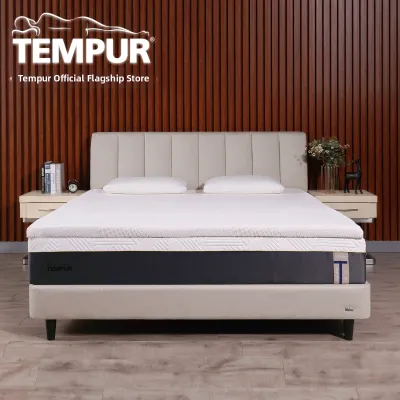

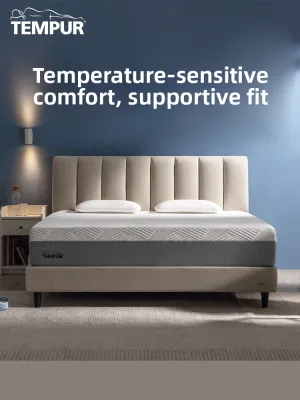
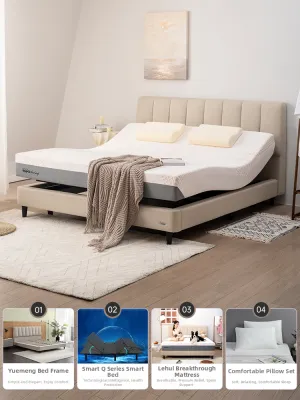

Prices are valid at publication and may change. Please refer to the product page for the latest price.
Because individual perceptions of comfort vary, general guidelines serve only as a starting point. It is essential to verify these general rules against the manufacturer’s specific product labels and material descriptions before making a final purchase.
Assess Your Primary Sleeping Position for Pressure Relief
Your dominant sleeping posture determines where pressure points accumulate during the night. Side sleepers place the majority of their body weight on the narrow surface areas of the shoulder and hip. To prevent numbness and joint pain, a side sleeper needs a mattress with sufficient contouring depth to cradle these protruding areas while supporting the waist.

Back sleepers require a balanced surface that supports the natural curve of the lower back. If the mattress is too soft, the pelvis sinks too deeply, flattening the lumbar curve and causing muscle tension. A medium or medium-firm feel typically provides the necessary resistance to keep the spine in a neutral position while offering a comfortable cushion for the gluteal region.
Stomach sleeping is highly sensitive to mattress firmness because the midsection carries a significant portion of body weight. If the mattress lacks firmness, the hips sink downward, forcing the lower back to bow inward and straining the lumbar spine. A firm or extra-firm surface is generally recommended to keep the torso flat and aligned.
Combination sleepers, who rotate through multiple positions during the night, face the unique challenge of finding a middle ground. They require a mattress that offers enough surface responsiveness to allow easy turning without feeling stuck, combined with a versatile medium support level that accommodates both side and back positions.
Evaluate Your Body Weight for Proper Support
Body weight acts as the catalyst for how memory foam behaves under pressure. Lighter individuals do not exert enough force to compress firmer foam layers. For these sleepers, standard firm models can feel excessively rigid, making softer options necessary to experience the contouring benefits of the material.
Sleepers of average weight usually find that their experience aligns closely with standard manufacturer descriptions. A medium or medium-firm mattress will typically compress just enough to offer a balanced blend of surface cushioning and deep-down support.
Heavier individuals require a firmer support structure to prevent excessive sinkage. Without sufficient resistance, the body can sink too deeply into the mattress, which compromises spinal alignment and makes moving or getting out of bed difficult. Firmer models or those with reinforced support cores help maintain proper posture and preserve the integrity of the mattress edges.
To ensure long-term durability and performance, always check the manufacturer’s specific weight guidelines and load limits for single mattress models. These specifications provide clear boundaries for how much weight the mattress can support without premature sagging or material degradation.
Decode Tempur Firmness Labels and Specifications
Navigating brand-specific terminology is crucial when selecting a single mattress. Manufacturers often use proprietary scales ranging from soft to extra firm, which are detailed on official product tags, packaging, or the official website. Rather than relying on generic industry definitions, consumers should consult these official resources to understand how a specific model is classified.
It is important to distinguish between the initial comfort layer feel and the deep core support layer. The top layer provides the immediate sensation of softness or firmness when you first lie down, while the deeper layers provide the structural support that keeps your spine aligned over several hours. A mattress can have a soft, inviting top layer but still offer a highly supportive, firm core.
Before finalizing a purchase, verify the exact physical dimensions, thickness, and weight capacity listed for the single mattress size. Standard single mattress dimensions can vary slightly between regions, and ensuring compatibility with your existing bed frame is essential to avoid installation issues.
Avoid making assumptions based on generic memory foam reviews, as proprietary materials behave differently from standard polyurethane foams. Relying strictly on the brand’s current technical specifications and official product documentation ensures you receive accurate information regarding material density and performance characteristics.
Verify Your Choice Through Testing and Trial Policies
While online research provides a solid foundation, physical testing remains a highly reliable way to confirm your choice. When visiting a showroom, spend adequate time resting on your preferred model in your natural sleeping position. This extended time allows the temperature-sensitive material to react to your body heat and simulate how the mattress will feel during a full night of sleep.
To make your in-store test as accurate as possible, try to simulate your actual sleeping setup. Bring or request a pillow of a similar height and firmness to the one you use at home, as pillow height directly influences neck alignment and how your shoulders sink into the mattress.
Before making a financial commitment, carefully review the retailer’s sleep trial policy, return conditions, and warranty terms. A sleep trial allows you to test the mattress in your own home for a set period, which is particularly valuable since memory foam can take several weeks to break in and adapt to your body. Ensure you understand any associated return fees, packaging requirements, and the exact process for initiating a return or exchange.
Finally, practical logistics must not be overlooked. Measure your bedroom space, doorways, stairwells, and lift access, as well as your existing bed frame, to ensure the single mattress can be delivered and set up without physical obstruction. Confirming these dimensions beforehand prevents delivery delays and potential damage to the product.
Frequently Asked Questions (FAQ)
What type of bed frame is required for a Tempur single mattress?
To maintain the structural integrity of a high-quality single mattress, you must use a compatible and supportive foundation. The manufacturer typically recommends a solid platform base or a rigid, non-flexing slatted frame with specific gap limits, often requiring slats to be spaced closely together to prevent the foam from sagging through the gaps. Using an incompatible, broken, or sagging bed frame can compromise support, accelerate wear, and potentially void the manufacturer’s warranty.
How does room temperature affect the feel of a Tempur mattress?
Temperature-sensitive memory foam reacts directly to the ambient temperature of your bedroom. In a warm tropical climate like Singapore, the foam tends to feel softer and respond more quickly to body pressure, whereas in an air-conditioned room, the material may initially feel firmer and take longer to contour to your body. To manage heat retention, check the product specifications for integrated cooling covers, breathable materials, or phase-change technologies designed to regulate surface temperature.
Community discussion
Share your experience or ask a question. Comments are reviewed before publication.