
Selecting the right table socks for your home in Singapore is not just about matching colors; it is about understanding how different materials interact with your specific flooring. In a tropical climate where humidity can affect both wood finishes and adhesive backings, choosing the wrong furniture protector can lead to scratched surfaces, trapped moisture, or unstable tables. By matching the weight of your furniture and the material of your floor to the correct type of table sock, you can preserve your home’s flooring, eliminate scraping noises, and ensure your tables remain stable.
Identify Your Floor Type and Its Protection Needs
Before purchasing any furniture protectors, you must accurately identify the flooring material in your living spaces. Singapore homes, from high-rise HDB flats to private condominiums, typically feature a mix of ceramic or homogenous tiles, luxury vinyl planks, laminate, or solid hardwood. You can distinguish these through simple visual and tactile checks. Ceramic and homogenous tiles feel cold to the touch and are separated by distinct grout lines. Vinyl planks often mimic wood grain but feel slightly resilient underfoot, while laminate has a harder, more plastic-like surface. Solid hardwood and engineered wood feel warmer and display natural, non-repeating grain patterns.
Each of these materials has unique vulnerabilities. For instance, deep grout lines between ceramic tiles can catch thin fabric socks, causing them to tear or slip off when you slide a chair or table. On the other hand, synthetic floors like vinyl and laminate are highly susceptible to micro-scratches caused by trapped dirt, while premium hardwood is easily dented by heavy furniture and sensitive to trapped moisture. Assessing the weight of your table and how often it is moved will help you determine the required thickness and durability of the protector. Heavy dining tables require dense, load-bearing materials, whereas frequently moved study desks need smooth, low-friction glides.
Products mentioned in this guide
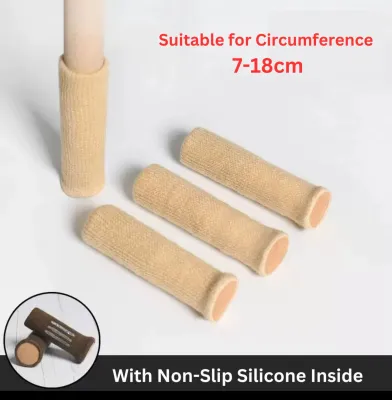
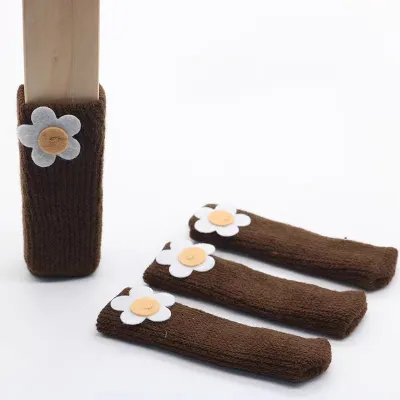
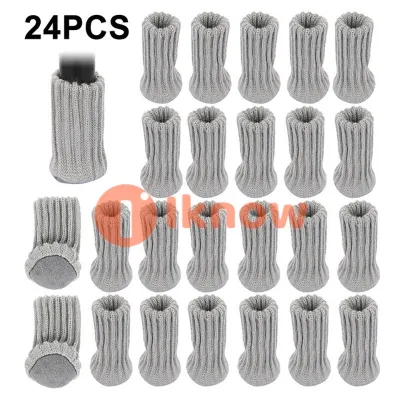
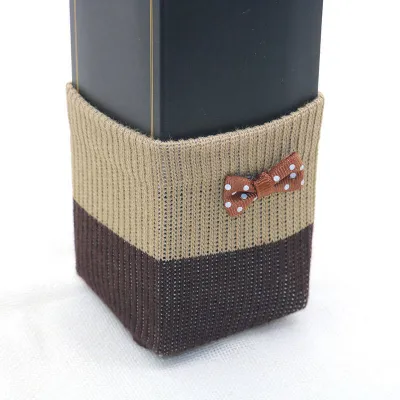
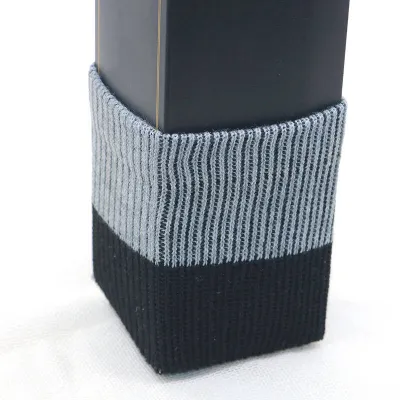
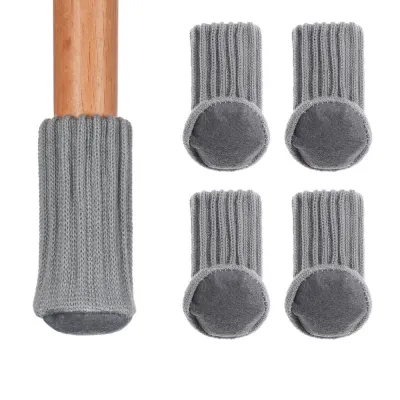
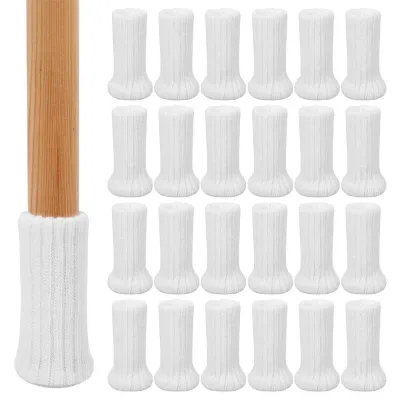
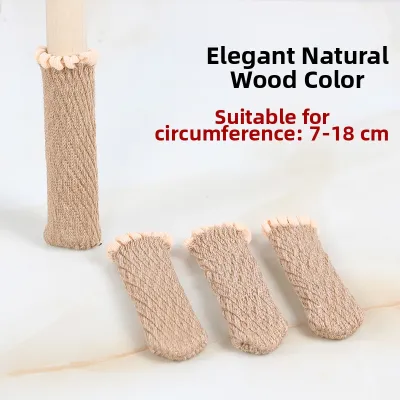
Prices are valid at publication and may change. Please refer to the product page for the latest price.
Match Table Sock Materials to Your Floor
Table socks come in several primary materials, including silicone, felt, rubber, and knit fabric. Each material offers distinct physical properties that dictate how it performs on different floor finishes.

Ceramic Tiles and Stone Floors
Ceramic, homogenous, and natural stone tiles are incredibly durable but highly unforgiving. The main challenges here are the hard, noisy impact of furniture legs and the uneven surface created by grout lines. For these floors, look for table socks made from heavy-duty silicone or dense rubber. These materials provide excellent shock absorption, dampening the sharp scraping sounds that occur when moving furniture across tiled areas.
A textured or high-grip bottom is essential for tile floors. Polished tiles can be slippery, and a high-grip base prevents your table from shifting unexpectedly when in use. Avoid thin, single-layered knit fabric socks on tiled surfaces. The constant friction against rough grout lines will quickly wear through thin fabric, leaving your floor unprotected and requiring frequent replacements. Instead, choose hybrid designs that feature a silicone body with a reinforced, durable base.
Vinyl and Laminate Floors
Vinyl and laminate are popular for their water resistance and modern designs, but their synthetic wear layers are prone to scuffing and micro-scratches. To protect these surfaces, select table socks with smooth, non-marking bottoms, such as those featuring integrated soft felt pads or smooth silicone bases. These allow the table legs to glide effortlessly without leaving dark scuff marks or fine scratches on the floor’s protective coating.
Because Singapore’s humid climate can cause moisture to linger, avoid materials that trap water against the floor. If you mop your floors frequently, ensure the table socks do not absorb and hold water, which can lead to discoloration or warping of the laminate or vinyl underneath. Additionally, the sock must fit the furniture leg snugly. A loose fit allows household dust, hair, and grit to slip inside the sock. Once trapped underneath, this debris acts like sandpaper every time the table is nudged, gradually wearing away the floor’s finish.
Hardwood and Engineered Wood Floors
Solid hardwood and engineered wood represent a significant investment and require the gentlest care. These natural materials are softer than tile and highly susceptible to deep pressure dents and moisture damage. To prevent denting, choose wide, flat-bottomed table socks. A wider base distributes the heavy weight of the table over a larger surface area, minimizing the risk of localized depression marks in the wood.
Moisture management is critical for wood floors. Trapped condensation or dampness from floor cleaning can ruin polyurethane finishes and cause wood rot. Opt for breathable knit fabric socks or ensure that silicone protectors are removed regularly to let the wood breathe and dry completely. Before installing any sock, run your finger along the inside. Check for hard plastic inserts, sharp staples, or rough seams. Under the heavy weight of a table, these hidden manufacturing defects can gouge deep grooves into your expensive wood flooring during movement.
Essential Sizing and Fit Checks Before Purchase
A table sock can only protect your floor if it stays securely on the furniture leg. Before buying, you must perform precise sizing and fit checks. Start by measuring the shape and exact dimensions of your table legs. Note whether the legs are round, square, rectangular, or oddly shaped, and check if they taper toward the bottom or flare outward. Use a flexible measuring tape or a caliper to measure the width or diameter at the very base of the leg where the sock will sit.
Next, evaluate the elasticity and opening design of the table sock. Many modern silicone socks feature internal grip rings or tension bands that cling to the furniture leg, preventing them from sliding down over time. Knit fabric socks should have high-quality elastic bands woven into the collar to maintain their shape after repeated stretching. If your table legs are tapered, a highly stretchable material is necessary to conform to the changing shape without slipping off.
Finally, check the clearance and stability of your furniture. The thickness of the table sock’s base will slightly raise the height of the table. Ensure that the socks installed on all legs are of identical thickness. Even a millimeter of variation can cause the table to wobble, creating an unstable surface and putting uneven pressure on the floor. If you are using socks on a dining table, verify that the added height does not interfere with chair clearance or comfortable seating.
Maintenance and Safety Checks for Daily Use
To ensure ongoing floor protection and furniture stability, establish a routine for maintaining and checking your table socks. Over time, even the highest-quality protectors will experience wear and tear. Periodically inspect the bottom of each sock for thinning material, cracks in silicone, or loss of grip. Look closely for accumulated grit, pet hair, and dust embedded in felt or fabric bottoms. If you find trapped debris, remove the socks immediately to prevent them from scratching your floors.
Cleaning methods depend on the sock material. Knit fabric socks can usually be hand-washed or machine-washed in a mesh bag using mild detergent, then air-dried completely before reinstallation. Silicone and rubber socks can be wiped down with a damp cloth or rinsed under running water to remove dust and restore their natural grip. Avoid using harsh chemical cleaners or exposing silicone socks to direct, intense sunlight, as this can degrade the material.
Never delay replacing a damaged protector. If a table sock tears, loses its elasticity, or wears through to the furniture leg, stop using it immediately. Continuing to use a compromised sock can lead to sudden furniture slippage, unstable table surfaces, or severe, costly damage to your home’s flooring. Keep a few spare socks on hand so you can replace worn-out protectors the moment you notice signs of degradation.
Frequently Asked Questions (FAQ)
Can I use the same table socks on area rugs and hard floors?
It is generally not recommended to use the same table socks on both surfaces. Table socks designed for hard floors often feature high-grip rubber or silicone bottoms to prevent sliding. If placed on an area rug, these high-friction materials can catch on the rug fibers, causing the fabric to pull, pill, or stretch. This grip can also make the table difficult to move and create a tripping hazard if the rug bunches up. For carpeted or rugged areas, a smoother, low-friction glide protector is a much safer and more effective choice.
Do clear silicone table socks turn yellow over time?
Yes, clear silicone table socks can develop a yellowish tint over time. This discoloration is typically caused by prolonged exposure to ultraviolet light from windows, as well as contact with certain household cleaning chemicals, floor waxes, or oils. While yellowing does not usually affect the physical protective qualities of the silicone, it can impact the aesthetic appeal of your furniture. If maintaining a transparent look is important to you, check the manufacturer’s care instructions, minimize direct sunlight exposure, or consider opaque, colored, or fabric alternatives that match your furniture legs.
Community discussion
Share your experience or ask a question. Comments are reviewed before publication.