
To choose the right table height extender, you must match the extender’s attachment mechanism to your table’s leg shape and material while ensuring the rated load capacity safely exceeds the combined weight of the table and its expected contents. Elevating a table alters its center of gravity, making precise measurements of the leg base and a clear understanding of your stability needs essential for a safe, wobble-free setup. Whether you are converting a dining table into a temporary standing desk or raising a work table to reduce back strain, selecting the correct hardware prevents structural damage and potential tipping hazards.
In modern living spaces, particularly in space-conscious environments like Singapore apartments, multi-functional furniture is highly valued. Modifying an existing table with height extenders is an excellent way to adapt your home layout without purchasing entirely new furniture. However, because tables vary widely in design—ranging from heavy solid wood dining tables to delicate glass-topped desks—there is no one-size-fits-all solution. A systematic approach to evaluating your table’s physical characteristics, weight distribution, and intended use will guide you to the most secure and practical extender type.
Assess Your Table's Leg Shape and Material
Before browsing online marketplaces or visiting hardware stores, you must conduct a thorough physical assessment of your table’s legs. The shape of the leg at its lowest point determines the type of extender socket or sleeve required. Use a precise measuring tape or a caliper to measure the cross-section of the legs. For round legs, measure the exact diameter; for square or rectangular legs, measure the width and depth. If the legs are tapered—meaning they are wider at the top and narrower at the bottom—you must measure the dimensions at the very tip where the extender will attach, as well as a few centimeters up to ensure a snug fit if using a sleeve-style extender.
Products mentioned in this guide
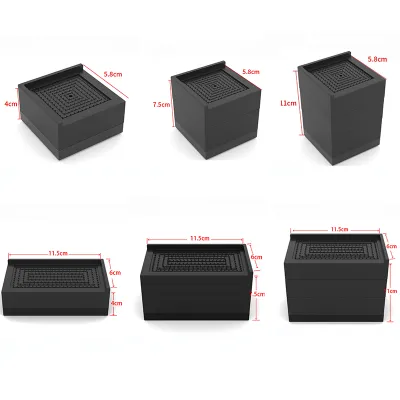
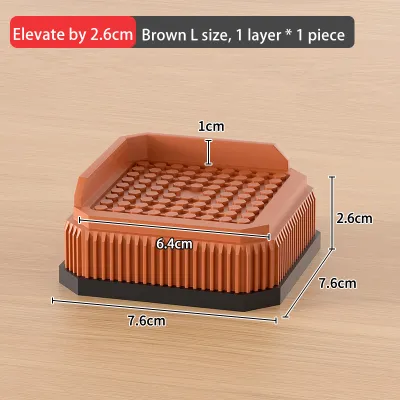
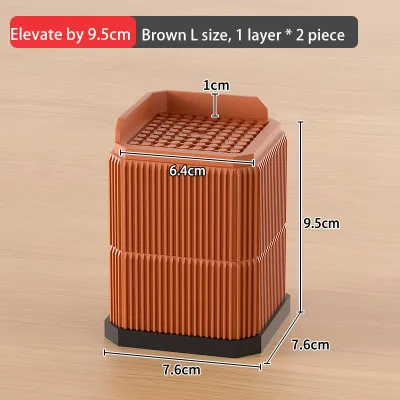
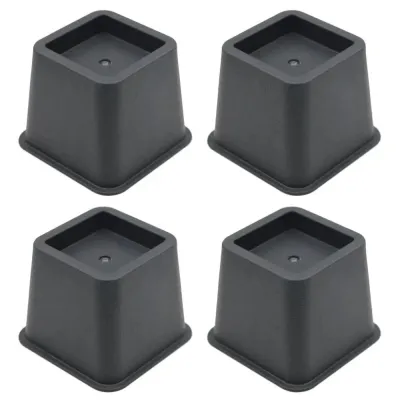
Prices are valid at publication and may change. Please refer to the product page for the latest price.
The material of your table legs dictates how an extender can be attached without causing structural damage. Solid wood legs offer the greatest versatility, as they can accommodate screw-in hanger bolts, heavy-duty bracket clamps, or slip-on boots. However, you must inspect the wood for any splitting, soft spots, or deep scratches that could compromise its strength when subjected to new lateral forces. Metal legs, which are often hollow or have thin walls, typically require slip-on sleeves or specialized clamp systems, as drilling into them can weaken the metal or require specialized tools. Engineered wood, such as MDF or particleboard, requires extreme caution; these materials do not hold screws well under shear stress, making non-invasive slip-on or wide-base risers a much safer choice.
Finally, inspect the bottom of each leg for existing hardware. Many tables come equipped with plastic glides, adjustable leveling feet, or threaded metal inserts. These pre-installed components can interfere with how an extender sits against the leg. You will need to determine if these glides can be easily unscrewed or pried off to reveal a flat, stable surface. If the legs have threaded inserts, note the thread size and pitch, as you may be able to find screw-in extenders that thread directly into the existing holes, providing a highly secure and seamless connection.
Determine Weight Capacity and Stability Requirements
Ensuring your elevated table remains stable requires a realistic calculation of both static and dynamic weight. Static weight is the constant, unchanging load of the table itself, including the tabletop and the legs. Dynamic weight refers to the variable loads placed on the table during daily use, such as heavy books, computer monitors, sewing machines, kitchen appliances, or the physical force of a user leaning their forearms on the surface. To estimate this, consult the original manufacturer’s specifications for your table’s weight, or use a household scale to weigh similar items. Always err on the side of caution by adding a generous safety margin to your total weight estimate.

Once you have estimated the total load, verify the manufacturer’s stated weight limit for the table height extenders. Do not assume that because an extender is made of metal or heavy-duty plastic, it can support any table. Extenders are rated based on their structural design and the material’s resistance to compression and shear forces. Look for clear, certified load ratings provided by the manufacturer. If you are raising a heavy solid wood dining table that weighs 50 kilograms, and you plan to place heavy items on it, you must select extenders rated well above this combined weight, distributed evenly across all legs.
Elevating a table naturally raises its center of gravity, which inherently decreases its lateral stability. A table that was perfectly stable at a standard height of 75 centimeters may become prone to wobbling or tipping when raised to 90 or 105 centimeters. To counteract this, evaluate the base footprint of the extenders. Extenders with wider, flared, or weighted bases distribute the load over a larger surface area, significantly reducing the risk of tipping. If your table has narrow legs or is top-heavy, you must plan for additional safety measures, such as placing the table against a wall or using anti-tip wall anchors to secure the frame.
Match the Attachment Mechanism to Your Table
The attachment mechanism is the critical link that keeps your table securely connected to its height extenders. Screw-in or threaded insert extenders are highly secure and are ideal for solid wood legs. If your table legs already have threaded inserts, you can simply screw the extender’s hanger bolt directly into the leg. If not, you can install threaded inserts yourself by pre-drilling holes into the center of the leg bottoms. This method provides a clean, integrated look and excellent resistance to lateral movement, but it requires precise drilling and is permanent.
Slip-on or sleeve designs are popular for their ease of installation and non-invasive nature. These extenders feature a hollow cup or sleeve that slides over the bottom of the table leg. For this system to work safely, the inner dimensions of the sleeve must match the outer dimensions of the table leg almost perfectly. Any significant gap or play inside the sleeve will cause the table to wobble or lean. Sleeve extenders are excellent for uniform metal or wooden legs, but they are highly visible and may alter the aesthetic of your furniture.
Clamp or bracket systems offer a versatile solution for tables with irregular leg shapes, metal frames, or glass tops where drilling is not an option. These extenders use adjustable clamps or brackets that grip the side of the leg or the table’s underframe. While highly adjustable, you must ensure the clamps are tightened securely and checked periodically, as vibrations from daily use can cause them to loosen over time. Avoid adhesive-only extenders for heavy dining or work tables. While convenient, adhesives can degrade rapidly under the constant shear stress of a heavy table, especially in warm, humid environments, leading to sudden and dangerous structural failure.
Measure for Height Adjustment and Room Clearance
Before purchasing extenders, you must determine the exact height increase required to achieve your ergonomic goals. If you are converting a standard dining table (typically 75 centimeters high) into a counter-height table (around 90 centimeters) or a standing desk (typically 100 to 110 centimeters depending on your height), measure the difference carefully. Use a tape measure to visualize the new height in your space. Decide whether fixed-length blocks or adjustable extenders are more appropriate. Fixed blocks offer maximum stability because they have no moving parts, while adjustable extenders allow you to fine-tune the height but may introduce minor joint play.
You must also verify that the elevated table will fit safely within your room’s spatial constraints. In Singapore homes, where ceiling heights and room layouts can vary, check the clearance above the table. Ensure that raising the table will not bring it too close to low-hanging pendant lights, ceiling fans, or wall-mounted shelving. Additionally, consider the surrounding furniture; ensure that your existing chairs or stools can still slide comfortably under the table apron, or plan to purchase taller seating that matches the new table height.
Finally, inspect the underside of your table to ensure the extended legs will not interfere with structural elements. Many tables feature decorative aprons, support stretchers, or footrests that connect the legs. Raising the legs can alter the clearance of these crossbars, potentially making them uncomfortable for your feet or preventing chairs from being tucked in fully. Ensure that the attachment mechanism of the extenders does not block or put stress on these structural joints.
Build Your Pre-Purchase Selection Checklist
To ensure a successful and safe installation, compile your measurements and requirements into a practical pre-purchase checklist. First, confirm the exact shape and dimensions of your table legs, ensuring that the extender’s socket, sleeve, or clamp is fully compatible with your measurements. Double-check that the attachment mechanism you choose is suitable for your table’s material—such as avoiding screw-in types for thin engineered wood or glass.
Second, verify that the rated load capacity of the extenders exceeds your calculated total weight, including a safety margin for dynamic loads. Ensure the base of the extender is wide enough to maintain stability at the new height, especially if your table is top-heavy or located in a high-traffic area. If you are renting your home or wish to preserve the resale value of your furniture, prioritize non-invasive attachment methods like slip-on sleeves or clamps over permanent screw-in options.
Lastly, review the retailer’s return policy and warranty conditions before finalizing your order. Because minor measurement errors or unexpected stability issues can occur, having the option to return or exchange the extenders is a valuable safeguard. Once your extenders arrive, perform a dry fit without fully tightening or securing them to verify the alignment, height, and initial stability before committing to the final installation.
Frequently Asked Questions (FAQ)
Can I use table height extenders on glass tables?
Using table height extenders on glass tables requires extreme caution due to the fragile nature of the material. You must never drill into glass, and applying direct clamping pressure to a glass tabletop or leg can cause it to shatter. If your glass table has a separate metal or wooden frame with independent legs, you can safely use extenders on those legs, provided the clamping or sleeve mechanism does not contact or put pressure on the glass itself. Always check the glass thickness and tempering status, and consult the table manufacturer’s guidelines before attempting any modifications.
Do I need to add floor protectors to the bottom of the extenders?
Yes, adding floor protectors to the bottom of your table height extenders is highly recommended to prevent scratches, scuffs, and structural sliding. Many extenders come with built-in rubber or felt pads, but you must verify this before installation. Choose felt pads for hard, smooth surfaces like hardwood, laminate, or vinyl to allow the table to slide gently without scratching. For tiled or polished concrete floors, rubber or silicone protectors are ideal as they provide grip and prevent the elevated table from shifting during use.
Community discussion
Share your experience or ask a question. Comments are reviewed before publication.