
Selecting the perfect plastic chair with arm rest for your home is a balancing act between aesthetic harmony and spatial practicality. Unlike standard armless side chairs, an armchair introduces distinct structural lines and physical volume to your dining area. To find the right match, you must evaluate how the chair’s silhouette, leg materials, and surface finish interact with your existing decor, while ensuring the physical dimensions align with your dining table and layout constraints.
In modern residential spaces, particularly within Singapore, the dining area often serves multiple purposes—from daily meals to remote work and hosting guests. A plastic chair with arm rest provides a highly versatile, lightweight, and low-maintenance seating solution that can easily transition between these activities. By focusing on key design elements such as the curvature of the armrests, the material of the legs, and the texture of the seat shell, you can select a style that elevates your interior theme rather than cluttering it.
Quick Guide to Matching Plastic Armchairs with Your Decor
The core principle of integrating a plastic chair with arm rest into your dining room lies in balancing visual weight, color harmony, and material transitions. Plastic is an incredibly adaptable medium; depending on how it is molded and finished, it can evoke mid-century retro charm, ultra-modern minimalism, or relaxed rustic warmth. The design of the armrest itself plays a pivotal role in this visual translation, as a solid, high-sided bucket seat carries significantly more visual weight than an open-framed, slender-armed design.
Products mentioned in this guide
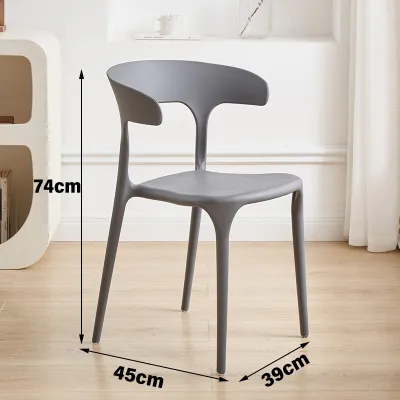
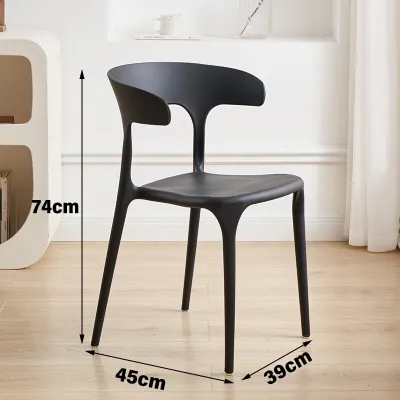
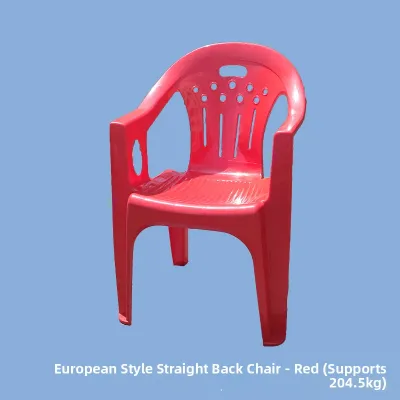
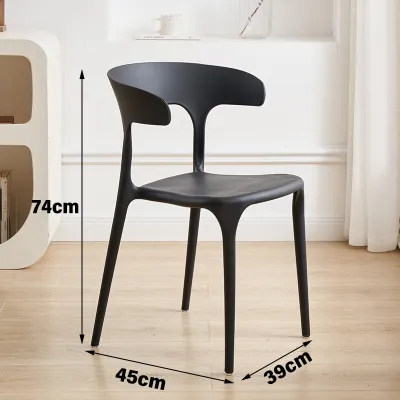
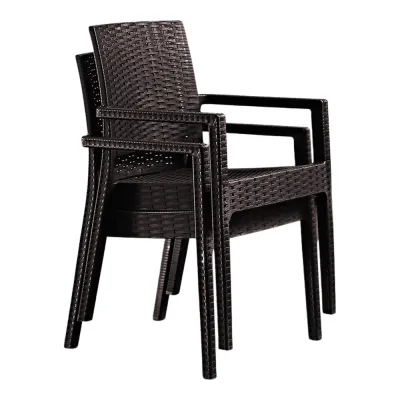
![[ SG ] ⚡ Home Thickened Simple Armrest Backrest Chair Outdoor Backrest Dining Chair](https://img.lazcdn.com/g/p/be5916f17bf72f0d93f20f11de29959c.jpg_400x400q80.jpg_.webp)
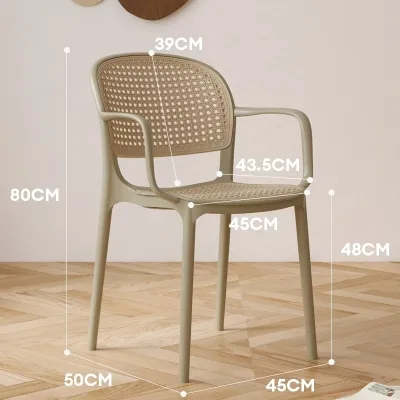
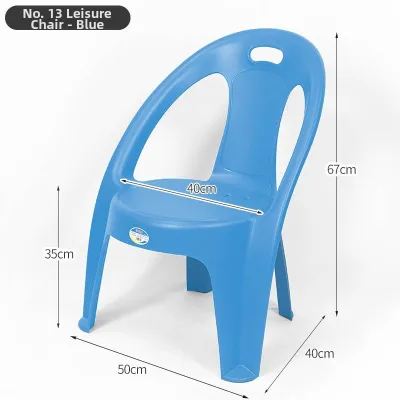
Prices are valid at publication and may change. Please refer to the product page for the latest price.
To achieve a cohesive look, pay close attention to how the chair’s legs connect with the plastic shell. Chairs featuring wooden dowel legs tend to soften the synthetic look of plastic, making them ideal for organic, nature-inspired interiors. Conversely, chairs with slim, powder-coated metal legs or chrome frames lean toward a contemporary, industrial, or minimalist aesthetic. The finish of the plastic shell—whether it is a soft matte, a textured grain, or a high-gloss sheen—also dictates how it reflects light and interacts with other furniture pieces in the room. By coordinating these three elements (shell finish, armrest profile, and leg material), you can easily harmonize your new seating with your current dining table and surrounding decor.
Assessing Your Dining Space and Layout Constraints
Before committing to a specific style, it is essential to perform a thorough physical assessment of your dining area. Armchairs require more physical and visual space than armless chairs, making precise measurements crucial for ensuring a comfortable, functional layout. This is especially important in space-optimized environments like Singapore HDB flats and condominiums, where dining zones are often integrated into open-plan living areas or narrow walkways.

Measuring Table Clearance and Armrest Height The most critical measurement is the clearance between the top of the chair’s armrests and the underside of your dining table. If the armrests are too high, you will not be able to slide the chairs fully under the table when they are not in use. This can permanently block walkways and reduce valuable floor space. Measure from the floor to the lowest point of your table’s apron (the structural wooden or metal frame directly beneath the tabletop). Then, compare this with the manufacturer’s specified armrest height. Ideally, you should leave a safety margin of at least 5 to 10 centimeters of clearance to prevent your hands from getting pinched and to avoid scratching the underside of the table.
Evaluating Spatial Flow and Walkways In compact dining rooms, the physical footprint of the chair is only half the story; you must also consider the space required to pull the chair out and sit down comfortably. Generally, you need at least 60 to 90 centimeters of clearance behind each chair to allow a person to push back and stand up without hitting a wall or blocking a thoroughfare. Because plastic armchairs are wider than standard chairs, they also limit the number of seats you can place along the sides of your table. For example, a standard 1.2-meter table that comfortably accommodates four armless chairs might only fit two armchairs comfortably along its length without crowding the diners’ elbows.
Delivery and Access Considerations When selecting your chairs, do not forget to verify delivery access. Single-mold plastic armchairs are often delivered fully assembled and do not stack easily if they have wide, rigid arms. Ensure that the finished dimensions of the packaged chairs can easily pass through your home’s main entryway, internal hallways, and lift doors. If you live in a high-rise condominium or HDB estate, checking lift clearance beforehand can prevent unexpected delivery complications.
Matching the Plastic Chair with Arm Rest to Popular Home Aesthetics
The versatility of modern plastic molding allows manufacturers to produce chairs that fit seamlessly into almost any interior design style. By understanding the visual cues of popular design themes, you can select a plastic chair with arm rest that enhances your home’s aesthetic character.
Scandinavian and Japandi Themes
Scandinavian and Japandi (Japanese-Scandinavian fusion) designs prioritize warmth, simplicity, organic materials, and functional minimalism. To complement this aesthetic, look for plastic armchairs that feature soft, matte-finished shells in muted, nature-inspired tones. Cream, off-white, soft sage green, warm taupe, and pale grey are excellent color choices that maintain a bright, airy feel in your dining space.
For the structural elements, choose chairs that pair a curved, organic plastic shell with light-colored wooden legs, such as solid ash, oak, or beech. The armrests should be integrated seamlessly into the gentle curve of the backrest, avoiding sharp angles or harsh geometric lines. This combination of warm wood and soft plastic creates a welcoming, tactile experience that aligns perfectly with the cozy, clutter-free ethos of Scandinavian and Japandi homes.
Modern Minimalist and Contemporary
If your home features a sleek, high-contrast, or monochromatic design, your dining chairs should reflect clean lines and architectural simplicity. For modern minimalist spaces, look for plastic armchairs in bold, solid colors such as stark white, deep charcoal, matte black, or even transparent acrylic. Transparent or translucent polycarbonate designs are particularly effective in small spaces, as they allow light to pass through, creating the illusion of zero visual weight.
The leg construction for contemporary styles should favor slim, geometric metal bases. Thin, black powder-coated steel legs, brushed brass accents, or cantilevered chrome frames provide a sharp, clean profile that keeps the dining area looking sophisticated and uncluttered. Look for armrests with straight, angular profiles or ultra-slim silhouettes that emphasize structural efficiency and modern engineering.
Industrial and Eclectic Spaces
Industrial and eclectic interiors thrive on contrast, texture, and the mixing of raw materials. In these environments, you can afford to choose plastic armchairs with more pronounced visual weight and richer, darker color palettes. Deep navy, forest green, terracotta, or textured charcoal shells work beautifully when paired with industrial elements like exposed brick walls, concrete screed floors, or reclaimed wood dining tables.
Look for chairs that feature heavy-duty black metal legs, distressed steel frames, or prominent rivet details. A bucket-style plastic seat with wide, supportive armrests can provide a striking modern contrast against a rustic, heavy timber table. In eclectic spaces, you can even mix different colored plastic shells of the same chair model to create a playful, curated look while maintaining a consistent structural silhouette around the table.
Practical Checks for Armrests and Plastic Finishes
While finding the right style is exciting, ensuring the chairs are practical for daily use is essential for long-term satisfaction. Before making your final purchase, perform these functional verification checks to ensure your chosen style performs well in your specific home environment.
Verify Stability and Load-Bearing Capacity Plastic dining chairs vary widely in their construction methods. Some are injection-molded from a single piece of polypropylene, while others require the seat shell to be bolted onto a separate wood or metal base. Always verify the manufacturer’s specified load-bearing capacity and check the stability of the base. If the chair requires assembly, ensure that all joints, screws, and mounting plates are robust and securely fastened. A wide leg footprint generally offers superior stability, though it may require slightly more floor space under your table.
Assess Surface Treatments and Care Instructions Do not assume that all plastic surfaces behave the same way. A material name like “polypropylene” or “polycarbonate” does not automatically guarantee resistance to scratches, stains, or heat. Always check the manufacturer’s care label and product specifications for guidance on surface treatments.
- Matte and Textured Finishes: These are excellent for hiding minor fingerprints and dust, but they can sometimes trap fine grime in the textured grain. Verify if they require specific mild cleaning agents to avoid smoothing out the matte texture over time.
- Glossy and Transparent Finishes: High-gloss and clear acrylic finishes reflect light beautifully and look incredibly modern, but they are more prone to showing fine surface scratches and smudges. Check if the manufacturer recommends using soft microfiber cloths and avoiding any abrasive scrubbers.
- Heat and Chemical Sensitivity: Avoid placing hot pots or serving dishes directly onto plastic surfaces, and keep chairs away from prolonged, direct tropical sunlight to prevent color fading or material degradation over time.
Analyze Visual Bulk vs. Physical Footprint An armchair can fit mathematically within your dining space while still feeling visually overwhelming. If your dining area is tucked into a small corner or a narrow walkway, opt for armchairs with open backrests or slender, minimalist arm profiles. This allows the eye to travel through the furniture, keeping the room feeling open and spacious. Save the solid, high-walled bucket armchairs for larger, dedicated dining rooms where they can serve as bold, grounding statement pieces.
Frequently Asked Questions (FAQ)
Can I mix different chair styles around the same dining table?
Yes, mixing chair styles is an excellent way to create a personalized, eclectic look, but it requires a few guiding principles to avoid visual chaos. The easiest way to maintain cohesion is to keep one design element consistent. For instance, you can choose the exact same model of plastic armchair but select them in three or four complementary colors that match your room’s color palette. Alternatively, you can use two matching plastic armchairs at the heads of the table (as host chairs) and pair them with simpler, armless side chairs along the sides. When mixing different models, try to keep the seat heights and overall armrest heights relatively consistent so that all diners sit at a similar level and the visual line around the table remains balanced.
How do I clean matte plastic dining chairs without leaving streaks?
Cleaning matte plastic dining chairs requires a gentle touch to preserve the soft, non-reflective finish. Begin by dusting the chair with a dry, clean microfiber cloth to remove loose particles. Next, mix a mild solution of warm water and a few drops of pH-neutral dish soap. Dampen a clean microfiber cloth in the soapy water, wring it out thoroughly so it is only slightly damp, and gently wipe down the chair’s surface. Avoid using abrasive scrubbing pads, harsh chemical solvents, or bleach, as these can permanently scratch or dull the matte finish. Once clean, immediately dry the chair with a separate, dry microfiber cloth to prevent water spots and streaks from forming. Always refer to the manufacturer’s specific care instructions before applying any new cleaning solution to your chairs.
Community discussion
Share your experience or ask a question. Comments are reviewed before publication.