
Selecting the right sofa repair patch depends entirely on matching the patch material and adhesive type to your sofa’s specific upholstery. Leather and fabric surfaces have fundamentally different physical properties, meaning a patch that adheres beautifully to smooth synthetic leather will quickly peel off a textured woven fabric. To achieve a lasting, discreet repair, you must first identify your sofa’s exact material, evaluate the structural integrity of the damaged area, and select a patch designed to bond with that specific surface. Taking a systematic approach ensures the repair holds up to daily sitting and stretching without causing further damage to the surrounding upholstery.
Assess Your Sofa Material and Damage Type
Before purchasing any repair kit, you must accurately identify what your sofa is made of. Genuine leather, faux leather (such as polyurethane or polyvinyl chloride), and woven fabrics require entirely different repair strategies. You can check the manufacturer’s tag, usually located under the seat cushions or on the dust cover at the bottom of the sofa, to confirm the material composition. If the tag is missing, perform a quick visual and tactile check. Genuine leather has irregular pore patterns and feels warm to the touch, whereas faux leather often exhibits a highly uniform grain pattern and can feel slightly plastic-like. Fabric sofas are easily identified by their visible weave, knit, or pile, ranging from smooth linen blends to thick velvets.
Once the material is confirmed, evaluate the nature of the damage. Small punctures, minor scratches, and clean tears on flat, low-tension areas—such as the outside back or side panels—are excellent candidates for a DIY sofa repair patch. However, damage located on high-stress areas like seat cushions, armrests, or directly along stitched seams requires a more cautious approach. Constant flexing and weight distribution in these zones put immense pressure on patch adhesives, which can cause the edges to lift over time.
Products mentioned in this guide
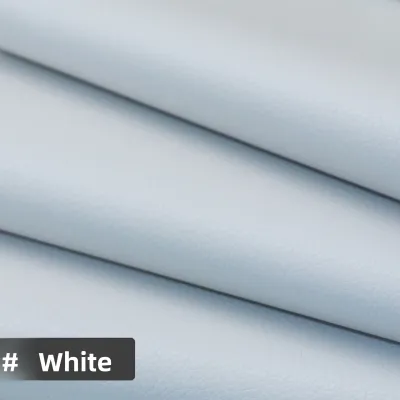
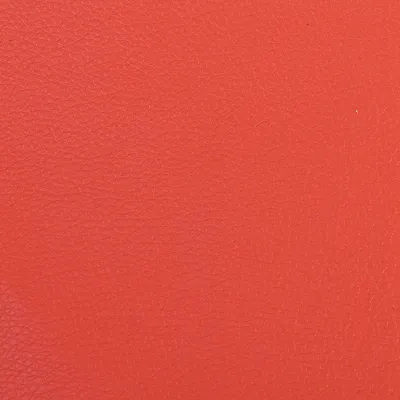
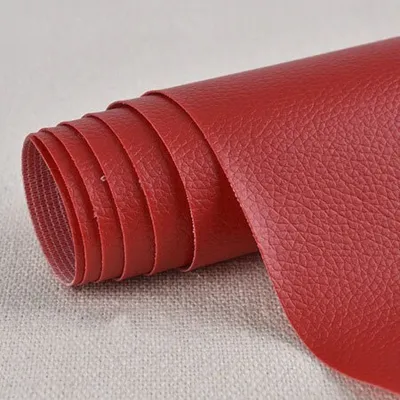
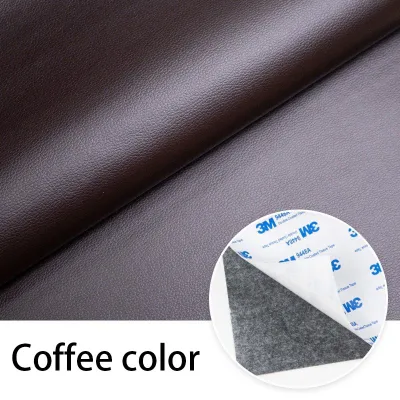
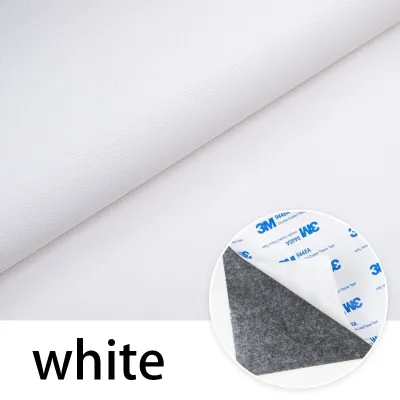
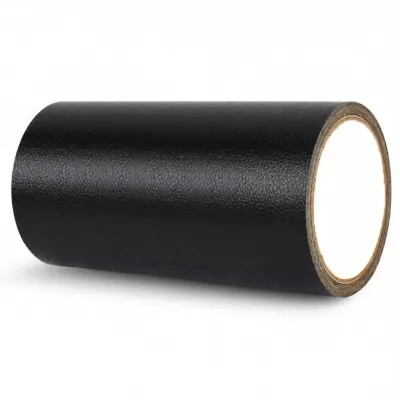
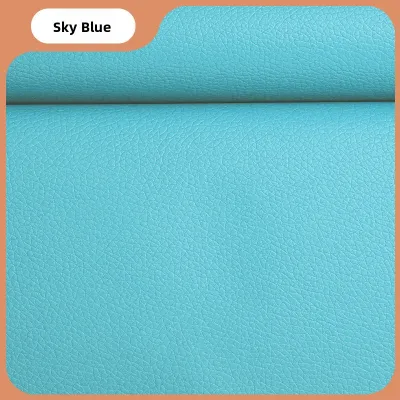
Prices are valid at publication and may change. Please refer to the product page for the latest price.
It is equally important to recognize when a DIY patch is not a viable solution. If you are dealing with large, gaping tears where the material has shrunk, structural frame damage, or severely degraded interior foam, a simple patch will not suffice. Attempting to patch a tear that spans across a major seam or covers a highly contoured area often results in an unsightly, puckered repair that fails within days. In these instances, seeking professional reupholstery or cushion replacement is the safest path to restoring your furniture.
Choosing the Right Repair Patch for Leather
When repairing a leather or faux leather sofa, you must choose between self-adhesive patches, liquid leather fillers, and sub-patches that require separate leather glue. Self-adhesive leather patches are highly popular for their ease of use, featuring a peel-and-stick backing that bonds quickly to smooth surfaces. These patches work exceptionally well on flat areas of both genuine and synthetic leather. However, for high-flex areas like seat cushions, a sub-patch—a piece of strong fabric or leather inserted under the tear and secured with flexible leather adhesive—often provides a more durable, structural repair that moves naturally with the sofa.

Matching the physical characteristics of the patch to your original upholstery is critical for a seamless look. Leather patches come in various thicknesses, grain patterns, and finishes, from matte to high-gloss. A patch that is too thick will create a noticeable, raised ridge that catches on clothing, while a patch that is too rigid will crack or peel when sat upon. Always look for patches made from highly flexible, thin polyurethane or genuine leather scraps that match the pliability of your sofa.
Color matching is one of the most challenging aspects of leather repair. Because leather fades naturally over time due to sunlight and wear, a standard black, brown, or beige patch might not match your sofa perfectly. Many manufacturers offer color swatch kits or multi-shade packs to help you find the closest match. Additionally, you must check the product label to ensure the adhesive is compatible with your specific material. Some adhesives formulated for genuine leather may not bond correctly to synthetic PU or PVC, while certain solvents in heavy-duty glues can actually melt or discolor faux leather surfaces.
Choosing the Right Repair Patch for Fabric
Fabric sofas present a different set of challenges because of their porous, textured, and woven nature. For these materials, you generally choose between iron-on fabric patches, heavy-duty fabric repair tape, or sub-patches secured with fabric glue. Iron-on patches utilize a heat-activated adhesive that melts into the fabric fibers, creating a very strong bond. However, they are only suitable for fabrics that can withstand high heat. Heavy-duty fabric tape offers a quick, peel-and-stick solution, but its success depends heavily on the texture of the sofa; highly textured or high-pile fabrics like velvet or chenille do not provide enough flat surface area for the tape’s adhesive to grip effectively.
Achieving an invisible repair on a fabric sofa is notoriously difficult due to the endless variety of patterns, weaves, and textures. If you cannot find an exact match for your sofa’s fabric, the sub-patch method is highly recommended. By inserting a strong, neutral-colored fabric patch underneath the tear and using a specialized, flexible fabric glue to secure the frayed edges down onto it, you keep the repair structural while minimizing the visible footprint. For patterned or highly textured sofas, you can sometimes harvest a small piece of matching fabric from an inconspicuous area, such as the inside of a zippered cushion cover or the underside of the sofa frame, to use as a top patch.
Before applying any heat-activated or chemical adhesive to your fabric sofa, you must verify the fabric’s heat tolerance and chemical compatibility. Check the sofa’s care label for cleaning codes and fiber content. Synthetic fibers like polyester, acrylic, and nylon can easily melt or scorch under the heat of a household iron. If you decide to use an iron-on patch, always use a pressing cloth between the iron and the patch, and start with the lowest effective heat setting to prevent permanent heat damage to your sofa’s upholstery.
How to Apply the Patch and When to Stop
Proper surface preparation is the single most important factor in determining how long your sofa repair patch will last. Begin by thoroughly cleaning the area around the damage to remove body oils, dust, and spills, which can severely weaken adhesive bonds. For leather, use a mild leather cleaner or a diluted isopropyl alcohol solution if recommended by the patch manufacturer, ensuring the surface is completely dry before proceeding. For fabric, vacuum the area thoroughly and use a mild fabric cleaner to remove any oily residues. Once clean, use a pair of sharp fabric scissors to trim away any loose threads, frayed fibers, or peeling leather edges, creating a clean, stable perimeter for the patch.
When applying the patch, follow the manufacturer’s instructions precisely and avoid common DIY pitfalls. Never use unverified household glues, such as super glue or hot glue, which dry rigid and can cause leather to crack or fabric fibers to melt. If using a self-adhesive patch, peel the backing carefully and apply it from one edge to the other to avoid trapping air bubbles, then apply firm, even pressure across the entire surface for several minutes. If using a heat-activated patch, monitor the temperature closely to avoid scorching the surrounding fibers.
Knowing when to stop and call a professional is crucial to preventing irreversible damage to your furniture. You should halt your DIY efforts and consult a professional upholsterer if the tear is significantly larger than standard patch sizes, or if the underlying foam cushion is crumbling and needs replacement. Furthermore, if your sofa’s care label explicitly warns against the use of adhesives, solvents, or heat, attempting a DIY patch could void your warranty or ruin the fabric permanently. A professional can offer seamless panel replacement or structural repairs that a simple patch cannot achieve.
Preventing Future Sofa Damage
Once your sofa is repaired, establishing a routine maintenance schedule will help protect the patch and prevent new tears from forming. For leather sofas, regular application of a manufacturer-approved leather conditioner keeps the material supple, preventing the drying and cracking that often leads to splits near seams. Fabric sofas benefit from regular vacuuming with an upholstery attachment to remove abrasive dirt particles that wear down fabric fibers over time, alongside the application of compatible fabric protectors to repel spills.
Environmental factors play a massive role in the longevity of your sofa’s upholstery. Position your sofa away from direct sunlight, as ultraviolet rays dry out leather and fade fabric fibers, making them brittle and prone to tearing. Similarly, keep the sofa positioned away from direct heat sources like radiators or air conditioning vents, which can cause rapid temperature and humidity fluctuations that stress both leather and wood frames.
Finally, managing daily wear and tear can significantly extend your sofa’s lifespan. If you have pets, keep their claws trimmed to prevent accidental punctures, or consider using stylish throws to protect high-traffic seating areas. Avoid sitting on the sofa while wearing clothing with sharp metal accessories, such as heavy zippers or pocket rivets, which can easily snag fabric or scratch leather. Regularly rotating and flipping your cushions also helps distribute body weight evenly, reducing localized stress on seams and preventing the foam sagging that pulls on repaired areas.
Frequently Asked Questions (FAQ)
Can I use a leather patch on a fabric sofa or vice versa?
No, you should not cross-use these patches. Leather adhesives are designed to bond with smooth, non-porous surfaces and will fail to grip the uneven, porous fibers of a fabric sofa, leading to peeling. Conversely, fabric patches and their associated adhesives or heat-activation methods are not formulated to adhere to the sealed, finished surface of leather, and the heat or chemicals involved can permanently damage or discolor the leather finish.
How long does a DIY sofa repair patch typically last?
The lifespan of a DIY sofa repair patch ranges from several months to a few years, depending heavily on its placement, the quality of the preparation, and daily usage. Patches placed on flat, low-contact areas tend to last significantly longer than those on high-stress seat cushions or armrests. Ultimately, a DIY patch should be viewed as a temporary to medium-term solution to extend the sofa’s life or delay the cost of professional reupholstery.
Will the patch leave a residue if I decide to reupholster the sofa later?
Yes, most heavy-duty self-adhesive patches and fabric glues leave a sticky, stubborn residue upon removal. This adhesive residue can penetrate deep into fabric fibers or bond tightly to leather backings, making clean removal difficult. If you plan to professionally reupholster the sofa in the future, be sure to check the patch adhesive labels for residue warnings, as permanent adhesives may require the professional to cut away and replace the affected panel entirely.
Community discussion
Share your experience or ask a question. Comments are reviewed before publication.