
Finding the right slim sideboard for a compact Singapore home requires balancing storage capacity with floor space. In typical HDB flats and condominiums, where entryways, dining areas, and corridors are narrow, a standard-depth sideboard can easily block walkways and disrupt the flow of the home. The ideal slim sideboard typically features a depth of 30 to 40 centimeters, utilizing vertical height and smart door mechanisms to maximize storage without protruding into high-traffic zones. By focusing on precise measurements, structural stability, and layout-specific designs, you can select a piece that keeps your home organized while maintaining an open, airy feel.
Assessing Your Space and Size Constraints
Before browsing online marketplaces or visiting local showrooms, accurate measurements of your designated space are essential. Start by measuring the width, depth, and height of the wall where you plan to place the sideboard. Do not rely solely on wall-to-wall measurements; instead, account for architectural details that could obstruct the furniture.
In many Singapore homes, skirting boards run along the base of the walls. If a sideboard does not have a recessed back or tall legs that clear the skirting, it will be pushed forward by one to two centimeters, leaving an empty gap behind it and reducing your precious walkway space. Similarly, check the placement of low-mounted power sockets, light switches, and window sills. Placing a solid-back sideboard directly against these outlets can block access or bend appliance plugs, so measure the height of these fixtures to ensure the sideboard either clears them or features an open back.
Products mentioned in this guide
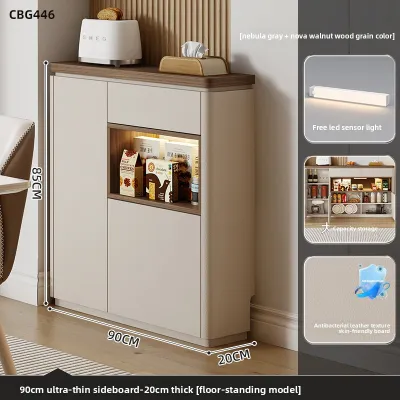
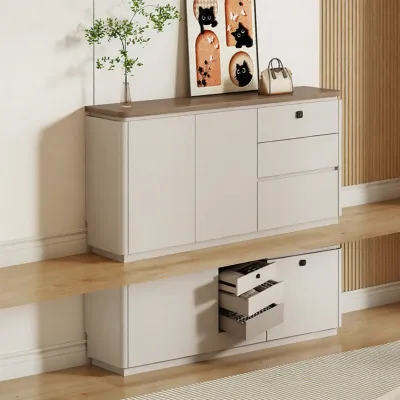
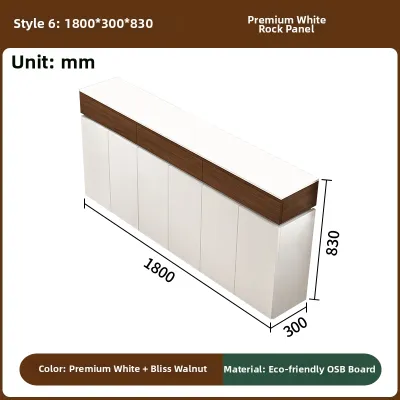
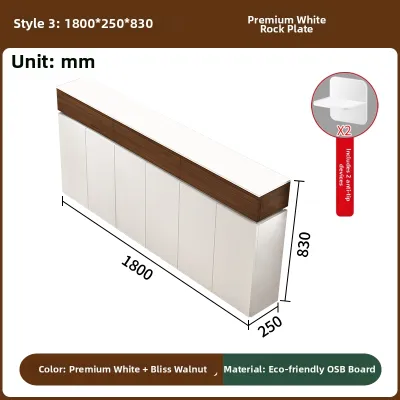
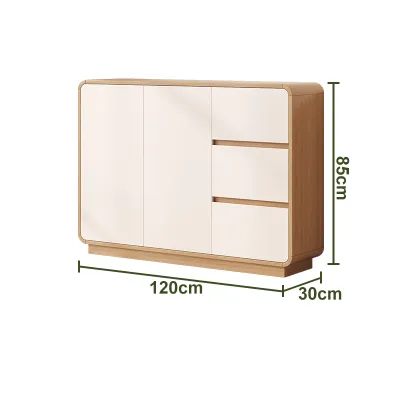
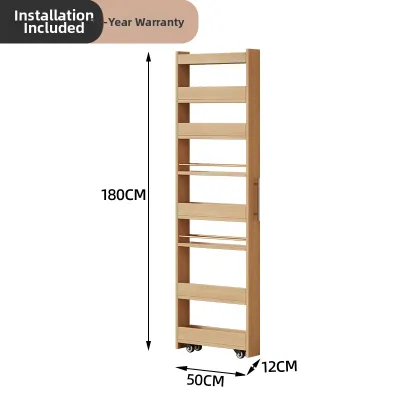
![[CozyNest ]Side Cabinet Living Room Sofa Side Cabinet Storage Light Luxury Multifunctional Mobile Solid Wood Ultra Narrow Small Side Cabinet Simple Modern Edge Table](https://img.lazcdn.com/g/p/52338fed642d7b2b4c083cb32115b56c.jpg_webp_400x400q80.jpg_.webp)
Prices are valid at publication and may change. Please refer to the product page for the latest price.
Walkway clearance is another critical factor for comfortable daily movement. A standard comfortable walkway in a home should ideally be at least 80 to 90 centimeters wide. If your dining area or hallway is narrow, subtract this clearance from the total width of the space to find your maximum sideboard depth. Furthermore, account for door swings and drawer extensions. A drawer that pulls out 30 centimeters requires at least that much clearance, plus space for you to stand in front of it. If space is exceptionally tight, sliding doors or open cubbies are highly practical alternatives.
Finally, trace the delivery path from the building entrance to your apartment. Singapore high-rises rely heavily on lifts, so you must measure the elevator door width, internal height, and diagonal depth. If you live in an older estate with narrow stairwells or tight corridor corners, ensure the packaged sideboard can navigate these turns. A delivery failure due to tight access can result in costly return fees or restocking charges.
Key Selection Criteria and Functional Needs
Choosing between open shelving and closed cabinets involves a trade-off between visual weight and maintenance. Open shelving creates a sense of spaciousness because the eye can see through to the back wall, making a small room feel larger. It is ideal for displaying curated decor, books, or beautiful tableware. However, open shelves accumulate dust quickly, especially in Singapore’s humid climate where open windows let in urban dust. Closed cabinets, on the other hand, conceal everyday clutter, keeping your home looking neat and organized. For the best of both worlds, look for semi-closed designs that feature a mix of solid doors, glass panels, and small open niches.

Do not assume that all wood or laminate surfaces are inherently durable or stain-resistant. In a dining or kitchen setting, surfaces are exposed to moisture, heat, and spills. Review the manufacturer’s care instructions and surface treatment labels carefully. Engineered wood with high-pressure laminate finishes often offers excellent resistance to scratches and moisture, while solid wood requires regular conditioning and immediate cleanup of spills to prevent warping or water rings. If you prefer a natural wood look, check if the surface has been treated with a protective polyurethane or lacquer coating.
Slim sideboards have a narrow footprint, which naturally makes them more prone to tipping over if they are top-heavy or if multiple drawers are opened simultaneously. Always check the manufacturer’s specifications for structural stability and weight capacity limits. Look for units that explicitly state their maximum load capacity for both the top surface and individual shelves. If you have young children or pets, or if the sideboard is taller than it is deep, look for units that include anti-tip hardware. This hardware allows you to secure the sideboard directly to the wall, preventing accidental tipping and ensuring a safe living environment.
Condition-Based Shortlist: Matching Designs to Scenarios
To find the perfect slim sideboard, it is helpful to evaluate your specific household routines and room layouts. Rather than looking for a one-size-fits-all solution, match the sideboard’s design features to the primary function it will serve in your home. By cross-referencing your daily needs with the physical limits of your space, you can narrow down your options to the most practical designs.
Adjust your expectations based on the physical limits of your available footprint and structural walls. For instance, a floating sideboard requires a solid concrete wall for secure mounting, whereas a lightweight partition wall may not support the weight of a fully loaded cabinet.
For Dining Areas and Kitchen Overflow
In compact dining areas, a slim sideboard often serves as a buffet table or an extension of kitchen storage. Before placing hot dishes, coffee makers, or electric kettles on the top surface, verify the material’s heat and moisture resistance limits in the care manual. Some laminates or veneered surfaces can blister or discolor under high heat. Ensure the lower compartments have adequate height and weight capacity to support heavier kitchen appliances like blenders, air fryers, or microwave ovens. Additionally, check if the sideboard features integrated power cord cutouts or a wire management system. This allows you to run cables neatly to wall outlets without having to modify the furniture yourself.
For Living Rooms and Media Storage
When used in the living room, a slim sideboard often doubles as a media console or a display unit. Look for designs with adjustable internal shelving, which gives you the flexibility to accommodate media players, gaming consoles, board games, or photo albums of varying heights. To keep your entertainment area looking clean and uncluttered, confirm the presence of rear cable management holes. These cutouts allow you to route wires from electronics directly through the back of the cabinet. Finally, review the maximum load capacity of the top surface, especially if you plan to place a television, heavy soundbar, or large ceramic vases on top.
For Narrow Hallways and Entryways
For tight transitional spaces like entryways and corridors, minimizing physical and visual obstruction is key. Prioritize ultra-shallow depths—ideally under 30 centimeters—and consider wall-mounted or floating designs. Floating sideboards keep the floor clear, which makes cleaning easier and creates the illusion of more floor space. When choosing door mechanisms, opt for sliding doors or push-to-open doors without protruding handles, as these prevent snagging on clothing as you walk past. To reduce the visual weight of the furniture in a narrow corridor, opt for lighter finishes, such as light oak, white, or units with reflective glass or mirrored door fronts.
Final Pre-Purchase and Installation Checks
Before clicking buy or paying at the showroom, perform a final round of physical and logistical verifications. Start by cross-referencing the product’s packaged dimensions with your building’s common areas. Measure the height and width of your apartment’s main door, the elevator entrance, and any tight corridor corners. Many delivery issues arise not because the furniture does not fit the room, but because it cannot physically get through the building’s access points.
Next, confirm the assembly and installation requirements. Some slim sideboards are delivered fully assembled, while others require flat-pack assembly. If the manual mandates wall anchoring for safety, check if you have the necessary tools, such as a hammer drill for concrete walls, or if you need to hire a professional installer. In Singapore, most HDB walls are made of solid concrete or precast panels, which require specific masonry wall plugs and screws that may not be included in the standard assembly kit.
Finally, carefully review the retailer’s policies. Check the warranty coverage for structural defects, the return policy for damaged or unsuitable items, and any delivery fees. Bulky furniture delivery in Singapore often incurs additional charges, especially if there is no direct lift access to your floor or if delivery must be scheduled outside standard working hours. Understanding these terms beforehand protects you from unexpected costs and ensures a smooth, stress-free installation process.
Frequently Asked Questions (FAQ)
How do I determine the right depth for my narrow space?
To find the ideal depth, start by measuring the total width of the room or corridor. Subtract the minimum required walkway clearance—which should be at least 80 centimeters for comfortable movement—to find the maximum allowable depth for your furniture. Next, measure the largest items you plan to store inside, such as dinner plates (typically 25 to 30 centimeters in diameter) or media consoles. Compare these measurements against the manufacturer’s listed external and internal depths. Remember to account for any protruding handles, knobs, or decorative molding, as these can add a few centimeters to the overall depth and obstruct tight walkways.
Does a slim sideboard need to be anchored to the wall?
Yes, anchoring is highly recommended for slim sideboards, especially those with a depth of 35 centimeters or less. Because of their narrow footprint and tall profile, these units have a higher center of gravity, making them susceptible to tipping forward when drawers are pulled open or if someone leans on them. Always consult the specific product’s assembly manual for the manufacturer’s explicit anchoring instructions and safety warnings. If you have drywall partitions, plasterboard, or are unsure of your wall’s structural composition, stop and consult a qualified professional installer to ensure the correct wall plugs and anchoring hardware are used.

Community discussion
Share your experience or ask a question. Comments are reviewed before publication.