
Finding extra storage in a typical Singapore HDB flat often requires looking at the overlooked gaps around your home. Whether it is the tight space beside your refrigerator, the awkward gap next to your washing machine, or a narrow corner in your hallway, a slim rack shelf can turn these unused inches into highly functional storage. Choosing the right unit is not just about finding the narrowest option available; it requires a careful balance of precise measurements, material suitability, and safety checks to ensure the shelf remains stable and accessible without blocking daily movement.
By understanding how to evaluate your space and matching the shelf design to the specific conditions of each room, you can maximize your home’s vertical storage potential. This guide outlines the essential steps to measure your space, key structural features to look for, and how to safely install a slim rack shelf.
Measure Your Narrow Spaces Before Buying
Before browsing online marketplaces or visiting furniture showrooms, you must accurately assess the physical limits of your target gap. A slim rack shelf that is even a few millimeters too wide will remain unusable, while one that is too deep might protrude into your main walkway. Start by measuring the exact width, depth, and height of the gap using a reliable measuring tape. Take measurements at three different points—the bottom, middle, and top of the gap—as walls and large appliances are not always perfectly parallel.
Products mentioned in this guide
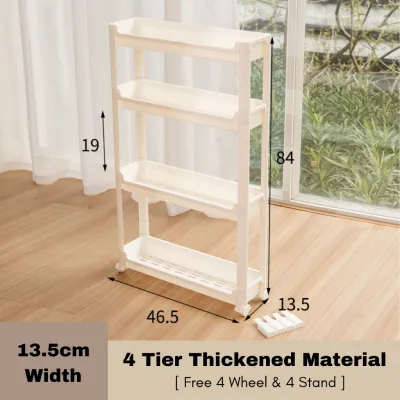
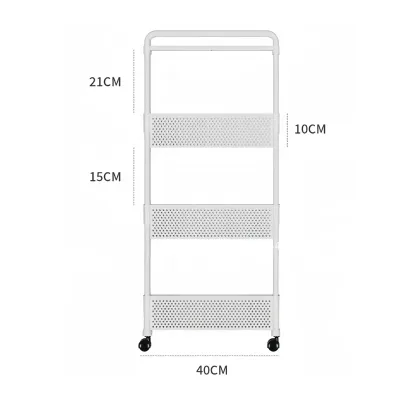
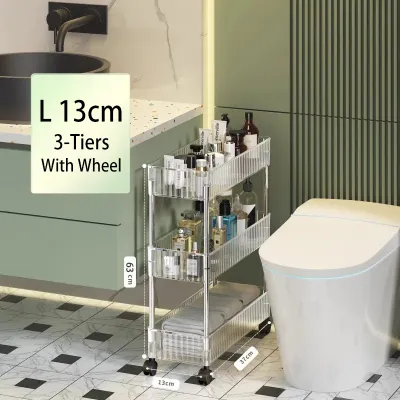
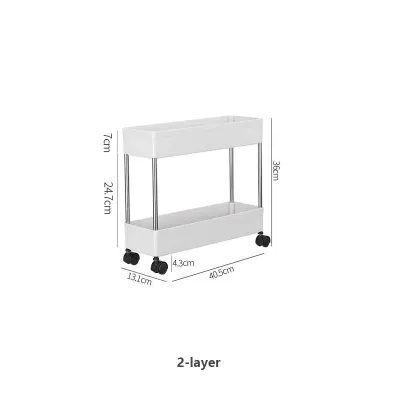
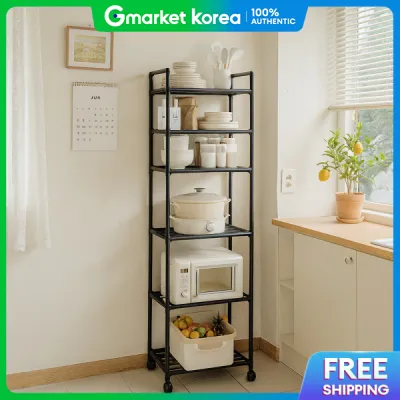
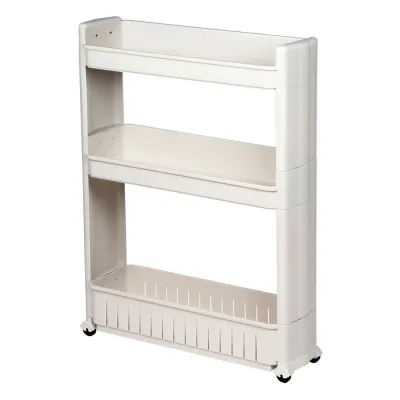
Prices are valid at publication and may change. Please refer to the product page for the latest price.
You must also account for the necessary clearance required for nearby doors, drawers, and appliance functions. For instance, if you plan to place a shelf next to a refrigerator, check the appliance manual for the manufacturer’s recommended ventilation clearance. Placing a shelf too close can restrict airflow, causing the refrigerator to work harder and consume more electricity. Similarly, ensure the shelf does not block the swing radius of cabinet doors, room entryways, or the rubber seals of front-loading washing machines.
Finally, inspect the floor and wall area inside the gap for hidden obstructions. Floor skirting boards can reduce the actual floor width by one to two centimeters, preventing a tight-fitting shelf from sitting flush. Look out for wall-mounted power outlets, water taps, gas pipes, and light switches that must remain accessible. Ensure you choose a shelf height or design that allows you to access these utilities safely without bending cords or blocking valves.
Key Features to Look for in a Slim Rack Shelf
When shopping for a slim rack shelf, structural stability must be your primary consideration. Because these units have a narrow footprint and a high center of gravity, they are naturally more prone to wobbling than standard shelving units. Examine the frame construction and the width of the base. A wider base or a frame made of sturdy, rigid materials like carbon steel or thick engineered plastics will offer better resistance to tipping when the shelves are fully loaded.

Another critical decision is choosing between mobile wheel casters and stationary leveling feet. Slim shelves with wheels are highly convenient for deep, narrow gaps, such as the space beside a refrigerator, as they allow you to roll the entire unit out to access items at the back. If you choose a wheeled model, ensure at least two of the casters have reliable locking mechanisms. For permanent storage in open areas, stationary feet with adjustable levelers are preferred to compensate for slightly uneven floor tiles.
Additionally, look for units that offer adjustable shelf tiers. The ability to change the height of individual shelves allows you to customize the unit based on the items you need to store, whether they are tall laundry detergent bottles or short spice jars. Fixed-tier shelves often result in wasted vertical space. Check if the shelf edges have raised guardrails or baskets, which are essential for preventing small bottles and jars from sliding off the sides when the unit is moved.
Matching Shelf Types to Specific HDB Awkward Gaps
Different rooms in an HDB flat present unique environmental challenges. For kitchen gaps, prioritize surfaces that are easy to clean and wipe down, as kitchen storage is frequently exposed to grease and food spills. If you plan to place the shelf near a gas hob, microwave, or oven, verify that the material is heat-resistant and will not warp or discolor when exposed to elevated temperatures.
In high-moisture areas like the bathroom or service yard, rust prevention is the most critical factor. Standard steel shelves can rust rapidly when exposed to high humidity. Look for shelves made of high-grade stainless steel, rust-resistant powder-coated metal, or heavy-duty plastics. Always check the manufacturer’s care instructions to see if the finish is rated for wet environments, and ensure the shelves have drainage holes to prevent water from pooling.
For narrow corners in the living room or bedroom, aesthetic integration is key. In these highly visible areas, a utilitarian plastic shelf can make the space look cluttered. Instead, opt for slim shelves with wood-veneer finishes, matte-painted metal frames, or minimalist designs that complement your existing interior decor. Tiered ladder shelves or slim corner units can serve as stylish display areas for books or decorative items while keeping the floor area clear.
Installation, Stability, and Safety Checks
Proper installation and loading are vital to ensuring your slim rack shelf remains safe to use. Always apply strict weight distribution rules when organizing your items. Place your heaviest items, such as large detergent bottles or heavy canned goods, on the very bottom tier. This lowers the overall center of gravity of the unit, significantly reducing the risk of tipping. Lighter items, like tissue boxes or spices, should be reserved for the upper shelves.
For taller, narrow units—typically those exceeding one meter in height—relying solely on weight distribution may not be enough to guarantee safety. In these cases, you should identify whether the shelf requires physical anchoring. Many manufacturers include anti-tip straps or adhesive anchors with their taller units. If your shelf is free-standing in an open area, securing it to the wall is highly recommended to prevent accidental tip-overs.
Never guess the structural limits of a shelf based on how sturdy it looks in photos. Always verify the manufacturer’s stated load capacity labels, which are usually specified per shelf tier and for the entire unit. Exceeding these weight limits can cause the shelves to sag or the frame to bend. If you are assembling the unit yourself, follow the manufacturer’s step-by-step instructions carefully, ensuring all joints, screws, and snap-on clips are fully tightened before use.
Common Mistakes When Buying Storage for Tight Spaces
One of the most common errors when purchasing slim storage is ignoring the depth of the shelf. While buyers focus heavily on finding a shelf that is narrow enough to fit the width of a gap, they often forget to check how far the unit will protrude forward. A shelf that sticks out past the edge of your kitchen cabinets can create a tripping hazard or prevent you from fully opening nearby doors and drawers.
Another frequent oversight is failing to account for the swing radius of nearby fixtures. A slim shelf placed behind a bathroom door might prevent the door from opening fully. Similarly, placing a shelf too close to a wardrobe or kitchen cabinet can block the doors from swinging open, rendering both the cabinet and the shelf difficult to use. Always simulate the movement of all nearby doors and drawers before finalizing your purchase.
Finally, do not assume that all products marketed as “slim” share a standard dimension. The term “slim” is subjective and can refer to widths ranging anywhere from 10 centimeters to over 30 centimeters depending on the brand. Relying on product titles alone without cross-checking the exact millimeter specifications in the product description often leads to fitment failures. Always compare your physical measurements against the detailed product dimensions provided by the seller.
Frequently Asked Questions (FAQ)
Can a slim rack shelf fit between a washing machine and a wall?
Yes, a slim rack shelf can fit in this space, but you must account for the vibration of the washing machine during spin cycles. Check your washing machine manual for the recommended side clearance, which is typically at least two to five centimeters. If the shelf is placed too close, the vibrating machine will repeatedly strike the shelf, causing noise and risking items falling off. Ensure the shelf is made of a sturdy material that does not shift easily, or secure it to the wall.
How do I prevent a tall, narrow shelf from tipping over?
To prevent a tall, narrow shelf from tipping, always place the heaviest items on the bottom shelf to lower the center of gravity. Ensure the floor surface is completely level; if your floor is uneven, use adjustable leveling feet to eliminate any wobbling. For maximum safety, especially with shelves taller than one meter, use furniture anti-tip kits or wall straps to secure the top of the frame directly to the wall.

Community discussion
Share your experience or ask a question. Comments are reviewed before publication.