
Choosing the right slim display cabinet depth for an HDB living room requires balancing the physical dimensions of your display items with the available walking clearance in your living space. For most compact HDB layouts, a slim cabinet depth of 25 cm to 35 cm offers the ideal sweet spot, keeping walkways clear while comfortably housing books, collectibles, and glassware. Finding this perfect balance involves precise measurements, understanding your storage needs, and evaluating the physical constraints of your room.
In Singapore, where modern BTO flats and older resale apartments alike require smart spatial planning, every centimeter of floor space counts. A display cabinet serves both aesthetic and functional purposes, but choosing an incorrect depth can quickly make a room feel cramped or leave your prized possessions without proper support. By focusing on depth as your primary selection metric, you can maximize your vertical storage potential without sacrificing the flow and comfort of your home.
Understanding Slim vs. Standard Cabinet Depths
Standard display cabinets and multi-purpose storage units typically feature depths ranging from 40 cm to 60 cm. While these deeper units are excellent for large storage boxes, folded linens, or deep serving platters, they often project too far into a standard HDB living room. In a compact layout, a deep cabinet can dominate the room visually and physically restrict movement, especially when placed along high-traffic pathways.
Products mentioned in this guide
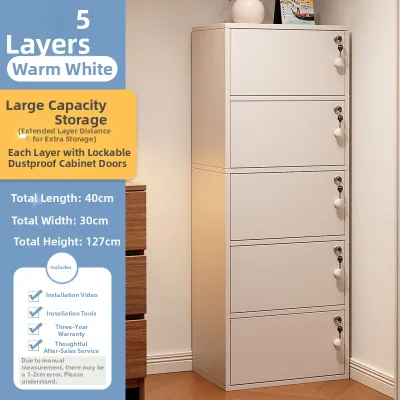
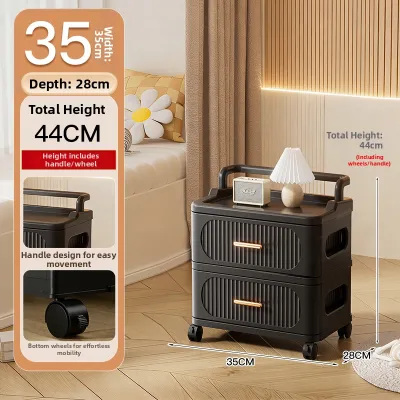
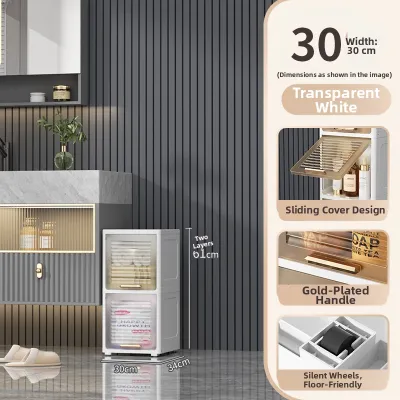
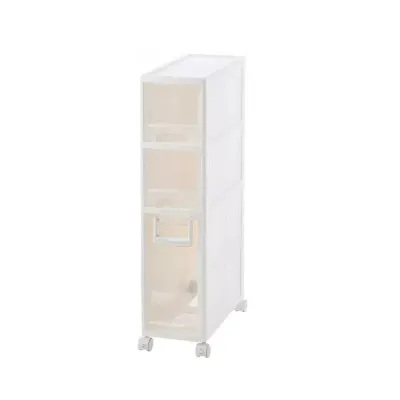
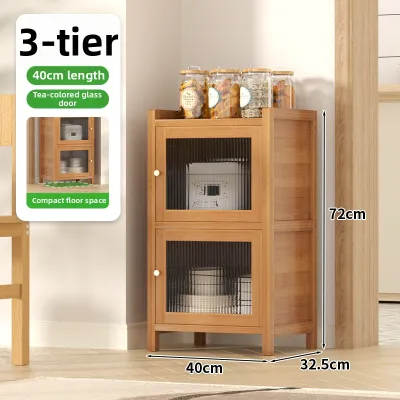

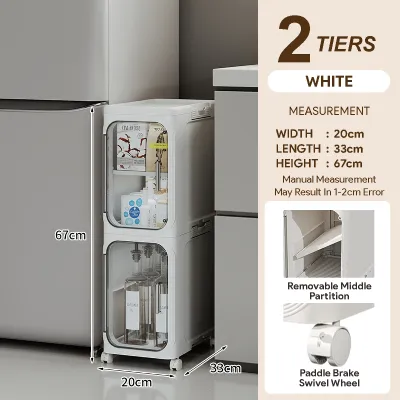
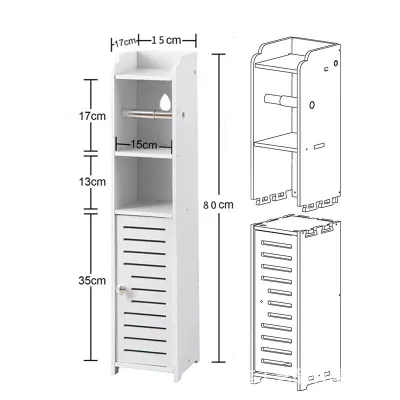
Prices are valid at publication and may change. Please refer to the product page for the latest price.
Slim display cabinets, on the other hand, generally range from 20 cm to 35 cm in depth. This reduced footprint significantly lowers the visual weight of the furniture, making the entire living room feel more open and airy. A slim profile allows the cabinet to blend seamlessly against the wall, serving its purpose as a showcase without becoming an obstructive focal point.
When shopping for slim cabinet storage, it is crucial to remember that these categories are not universally standardized. One manufacturer’s “ultra-slim” might be another’s “medium.” Always check the official product specification sheets to verify the exact external and internal dimensions before making a purchase.
Measuring Your HDB Living Room for the Perfect Fit
Before purchasing any furniture, taking precise measurements of your HDB living room is essential to avoid spatial conflicts. Start by measuring the designated wall length, the available floor depth, and the ceiling height. Knowing these three dimensions helps you understand the maximum boundaries of the space and prevents you from buying a unit that overwhelms the wall or clashes with nearby architectural features.

To truly visualize how the cabinet will fit, many homeowners find it helpful to outline the proposed footprint on the floor using painter’s tape. This simple step allows you to experience the physical presence of the cabinet before it arrives, ensuring you can still move comfortably around the room.
Next, factor in the necessary clearance zones around the cabinet. You must account for walking pathways, the swing radius of nearby doors, and the proximity of existing furniture like sofas, coffee tables, or dining sets. If the display cabinet features hinged glass doors, ensure there is ample room for them to open fully without striking other objects or blocking the flow of traffic. If space is exceptionally tight, consider cabinets with sliding doors or open shelving to eliminate door-swing concerns entirely.
Finally, inspect the installation site for physical obstacles that could prevent the cabinet from sitting flush against the wall. In Singapore flats, common obstructions include skirting boards, wall-mounted power outlets, light switches, and air conditioning trunking. If your cabinet must stand directly over a skirting board, look for models with a recessed base or plan to secure the unit safely with appropriate spacers to bridge the gap.
Matching Cabinet Depth to Your Display Items
The ideal depth of your slim cabinet storage depends heavily on what you plan to showcase. Small collectibles, action figures, and glassware typically require very little space, often fitting comfortably on shelves with a depth of 15 cm to 20 cm. Standard novels, manga, and medium-sized decorative pieces generally need a bit more room, matching well with shelf depths of 25 cm to 30 cm.
Choosing a cabinet involves a practical trade-off between maximizing your storage capacity and maintaining a low-profile footprint. While a slightly deeper cabinet of 35 cm allows you to store larger items like photo albums or wider ceramic plates, it will occupy more physical floor space. If your collection consists solely of small items, opting for the slimmest possible model keeps your living room feeling spacious.
Always distinguish between the external depth of the cabinet and its internal shelf depth. The cabinet frame, back panel, and front doors can reduce the usable internal depth by 2 cm to 5 cm. Be sure to check the manufacturer’s specifications for internal shelf dimensions, adjustable shelf options, and individual shelf weight capacities to ensure your items will fit securely.
Optimizing Placement and Safety in Compact Spaces
Strategic placement can make a slim display cabinet feel like a natural extension of your HDB living room rather than an afterthought. Utilizing structural alcoves, empty corners, or the space directly behind a sofa console can help integrate the cabinet without disrupting the main traffic zones. Placing a slim unit in these underutilized areas maximizes vertical storage while keeping the center of the room open.
Because slim cabinets have a narrow base and a high center of gravity, structural safety is a critical consideration. It is highly recommended to anchor tall, slim cabinets securely to the wall to prevent tipping. This safety measure is especially vital in households with young children, elderly family members, or pets who might accidentally pull or bump against the furniture. Always use the wall-mounting hardware provided by the manufacturer and select wall plugs suitable for your specific wall type, whether it is concrete or partition drywall.
To further minimize the visual impact of the cabinet in a compact room, look for specific design features. Cabinets with clear glass doors, mirrored back panels, or open shelving allow light to pass through, reducing the perception of bulkiness. These design elements keep the room looking bright and spacious while keeping your prized possessions dust-free and beautifully displayed.
Frequently Asked Questions (FAQ)
Can a slim display cabinet hold heavy books?
A cabinet’s ability to support heavy items like books depends on its structural design and material composition rather than its depth alone. Shelves made of thick solid wood, tempered glass, or reinforced metal are far less likely to sag under weight than thin particleboard. Additionally, shorter shelf spans or units with center support brackets handle heavy loads much better. Always verify the manufacturer’s specified load capacity per shelf and distribute heavier items on the lower shelves to maintain overall stability.
How much walking clearance should I leave in front of the cabinet?
For comfortable movement in a residential living room, aim to maintain a minimum walking clearance of 60 cm to 90 cm in front of the cabinet. If your slim cabinet features outward-opening doors or drawers, you should measure this clearance from the edge of the fully opened door or drawer rather than the cabinet frame itself. This ensures you can access your items easily without blocking the entire pathway or bumping into other furniture.
Community discussion
Share your experience or ask a question. Comments are reviewed before publication.