
Selecting the right sleeping mat firmness is the single most important decision you will make for your sleep quality. The ideal level of support is not a one-size-fits-all specification; instead, it depends entirely on your primary sleeping position and body weight. When these elements are properly aligned, your sleeping mat cradles your pressure points and keeps your spine in a neutral position throughout the night.
Failing to match your sleeping mat to your physical profile often leads to chronic discomfort, such as lower back stiffness or shoulder pain. By understanding how firmness scales work and how your body interacts with different materials, you can make an informed decision that prevents sleep disruption. This guide outlines how to evaluate your sleep style, assess your body type, and verify your choice before finalizing your purchase.
Understanding Sleeping Mat Firmness Scales
The mattress industry generally evaluates firmness on a standardized 1 to 10 scale, where 1 represents an incredibly soft, cloud-like surface and 10 represents a highly rigid, floor-like feel. Most sleeping mats on the market fall between a 3 (soft) and an 8 (firm). Understanding this spectrum helps you decode product descriptions and narrow down your options based on your comfort preferences.
Products mentioned in this guide
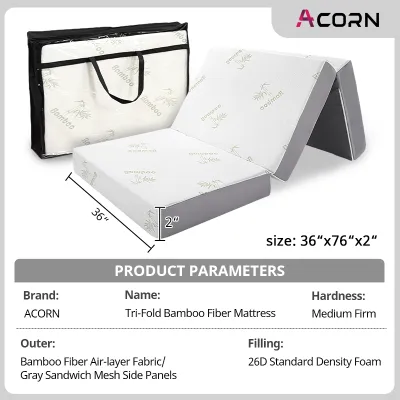
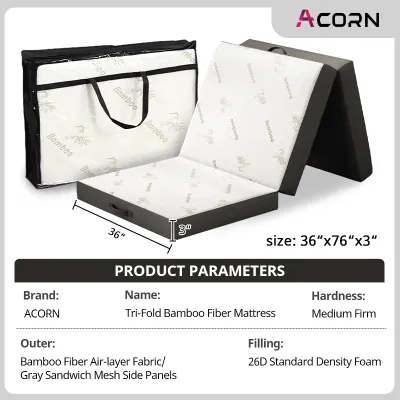
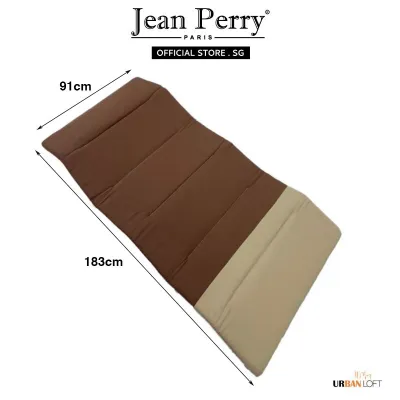
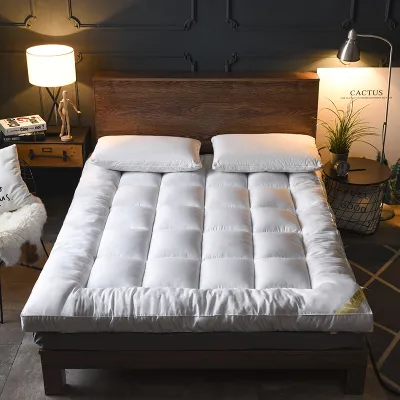
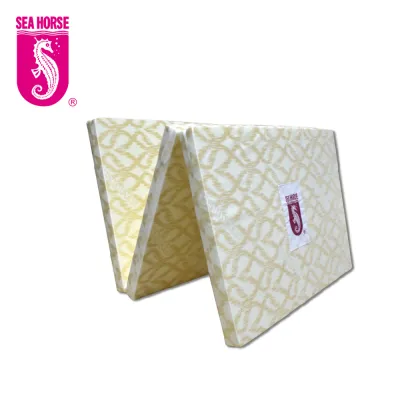
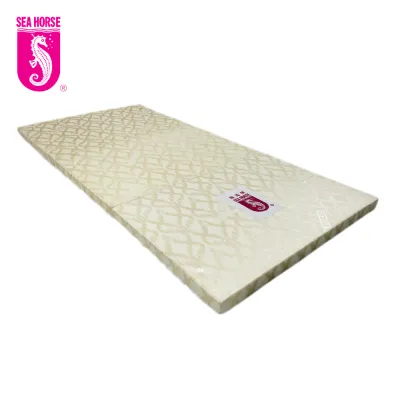
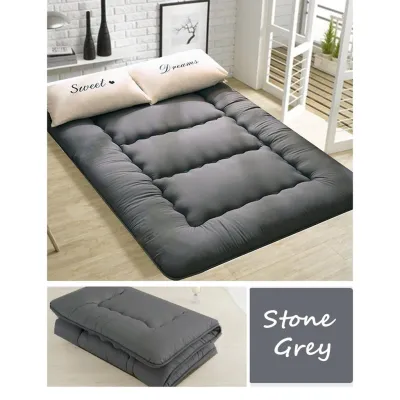
![[Local Seller]TPE folding mat yoga mat lunch break sleeping mat floor mattress lazy foldable nap mat thickened 折叠瑜伽垫午休毯](https://img.lazcdn.com/g/p/8e06b32f72b39913288f5b16977d5b1a.jpg_400x400q80.jpg_.webp)
Prices are valid at publication and may change. Please refer to the product page for the latest price.
However, firmness ratings are highly subjective and vary significantly between manufacturers. A mat labeled as “medium” by one brand might feel noticeably firmer than a “medium” from a competitor, as brands use different testing methods and material compositions to define comfort levels.
To get an accurate sense of support, look beyond the marketing labels and inspect the comfort layer materials and support core specifications. Memory foam comfort layers provide a slow-sinking, body-hugging sensation, whereas natural latex offers a highly responsive, springy pushback. The underlying support core, whether made of high-density polyfoam or pocketed coils, ultimately determines the structural integrity of the mat.
When comparing models, ignore minor specification differences that do not significantly impact the overall feel. Slight variations in fabric stitch patterns rarely alter structural firmness; focus instead on primary material thickness and core density to avoid falling for distracting marketing claims.
Matching Firmness to Your Primary Sleep Position
Your primary sleeping position determines where your body exerts the most pressure, requiring a surface that responds dynamically to prevent joint pain and maintain spinal alignment.

Side Sleepers
Side sleepers concentrate their entire body weight onto narrow, protruding areas, specifically the shoulders and hips. To accommodate these sharp pressure points, side sleepers generally require a softer to medium-soft sleeping mat, typically ranking between 3 and 5 on the firmness scale.
This allows the shoulders and hips to sink in slightly, contouring to the body’s natural curves and keeping the spine in a straight, neutral line from the neck to the lower back.
Using an overly firm mat forces the shoulders and hips to bear the brunt of the body’s weight. This lack of pressure relief can restrict blood circulation, leading to joint numbness, tossing and turning, and persistent morning shoulder pain.
Back Sleepers
Back sleepers distribute their body weight more evenly across the sleeping surface, requiring a balanced medium to medium-firm sleeping mat, usually ranking between 5 and 7 on the scale.
This firmness level provides enough surface cushioning to cradle the shoulder blades and buttocks while offering robust upward support for the lumbar region. It prevents the midsection from sagging too deeply into the core of the mat.
An overly soft mat causes the pelvis to sink and strains muscles, while an overly firm mat leaves an unsupported hollow gap under the lumbar spine, forcing muscles to remain tense all night.
Stomach Sleepers
Stomach sleeping places the highest amount of natural strain on the spine, making a firm to extra-firm sleeping mat (ranking between 7 and 9) absolutely essential.
Stomach sleepers need a highly supportive surface to keep the hips and pelvis elevated and aligned with the shoulders. If the midsection is allowed to sink into a soft comfort layer, the spine is forced into an unnatural, hyperextended U-shape.
Because stomach sleeping already subjects the neck to rotational strain, prioritizing structural firmness is critical to prevent severe lower back pain and long-term spinal discomfort.
Why Body Weight Changes the Feel of Firmness
The physics of sinkage dictate that the exact same sleeping mat will feel entirely different to people of different body weights. The amount of force your body exerts on the comfort layers directly alters your perception of how soft or firm the surface is.
Lighter body types, typically those under 60 kilograms, exert very little downward force on a sleeping mat. Consequently, they may not compress the comfort layers of a standard “medium” mat enough to experience any contouring, making it feel like a firm surface. For these individuals, a softer rating is often necessary to achieve adequate pressure relief and joint cushioning.
Sleepers with an average weight, ranging between 60 and 85 kilograms, generally experience a sleeping mat’s firmness exactly as advertised by the manufacturer. They can reliably follow standard sleep position guidelines without needing to adjust the firmness rating to compensate for excessive sinkage.
Heavier body types, typically over 85 kilograms, compress comfort layers rapidly and risk sinking completely through the soft top layers, bottoming out against the rigid support core. To maintain proper alignment and prevent premature sagging, heavier sleepers require a firmer mat or high-density materials that offer greater resistance.
Evaluate body weight and sleep position together. For instance, a heavier side sleeper should avoid a soft mat because they will sink too deeply; instead, a medium-firm mat with a thick comfort layer cushions joints without sacrificing core support.
How to Test and Verify Firmness Before Buying
Verifying the firmness of a sleeping mat requires practical testing, whether you are shopping at a physical retail store or browsing options online.
When testing a mat in-store, avoid the temptation to simply sit on the edge or press your hand into the surface. Instead, wear loose, comfortable clothing and lie down in your primary sleeping position for at least 10 to 15 minutes. This extended test allows your muscles to relax and gives you a realistic sense of how the comfort layers support your pressure points over time.
If you are purchasing online, prioritize brands that offer risk-free sleep trials, which typically allow you to test the mat in your own home for 90 to 100 nights. Before buying, carefully read the return policy to understand if there are any return fees, pickup charges, or specific packaging requirements. Additionally, check the manufacturer’s warranty terms to ensure coverage against premature sagging or structural defects.
For an objective assessment, check metrics like Indentation Load Deflection (ILD) for foam (higher ILD means firmer foam) or coil gauge for innersprings (lower gauge means firmer coils), though these are secondary to personal feel.
Finally, remember to measure your existing bed frame and bedroom layout before making a purchase. In Singapore, navigating tight HDB or condominium corridors, doorways, and lift access can be challenging with large, bulky items. Ensure the finished dimensions and thickness of your chosen sleeping mat are compatible with your home’s entryways and available floor space to avoid delivery complications. In Singapore’s warm, humid climate, memory foam comfort layers may also soften slightly over time if used in non-air-conditioned rooms, a factor to keep in mind when choosing between foam and latex.
Frequently Asked Questions (FAQ)
What if my partner and I have different sleep positions?
A medium-firm sleeping mat is the most reliable compromise for couples, as it reasonably accommodates various sleep positions and average body weights. If your preferences are completely incompatible, look for brands that offer dual-firmness or split mattresses, which allow you to customize each side of the bed. Alternatively, you can place a targeted mattress topper on one side to adjust the local surface feel.
Will a mattress topper change the firmness of my sleeping mat?
A mattress topper can successfully modify the immediate surface feel of your bed, such as adding a plush memory foam layer to soften an overly firm mat. However, a topper cannot fix a sleeping mat that is sagging, structurally compromised, or fundamentally too soft. It only alters the top comfort layer and cannot replace or restore the support of a worn-out foundational core.
Community discussion
Share your experience or ask a question. Comments are reviewed before publication.