
Selecting the perfect tv stand wood console requires balancing structural safety, visual proportion, and room ergonomics. Many homeowners purchase living room furniture based solely on their television’s advertised screen size, only to discover that the stand is too narrow, too tall, or physically blocks a vital walkway. To ensure a seamless fit in your living room, you must calculate the exact physical dimensions of your television, assess the layout of your seating area, and verify the physical constraints of your home’s entryways. By taking precise measurements of your equipment and living space before purchasing, you can select a wooden console that looks balanced and provides a safe, comfortable viewing experience.
Quick Sizing Rules for Your Wooden TV Stand
When choosing a tv stand wood console, three primary dimensions dictate the ideal fit: width, height, and depth. As a golden rule, the width of your TV stand should exceed the physical width of your television by at least 10 to 20 centimeters on each side to create visual balance and prevent tipping hazards. For height, the center of your television screen should align directly with your eye level when you are seated comfortably on your sofa, which typically requires a console height between 45 and 60 centimeters. The depth of the stand must accommodate the TV’s base and provide a minimum of 5 to 10 centimeters of clearance behind your media equipment for cables and ventilation. Before committing to a purchase, measuring your available wall space, floor area, and the clear transit pathways through your home is a mandatory first step to avoid costly delivery failures.
Matching the Stand Width to Your TV and Wall Space
One of the most common pitfalls in selecting a TV console is relying on the diagonal screen measurement of your television. A “65-inch TV” refers to the diagonal size of the screen itself, excluding the outer bezel and the physical frame. The actual physical width of a 65-inch television is typically around 145 centimeters, though this varies by brand and model. To determine the correct size for your tv stand wood console, you must use a physical tape measure to find the exact outer width of your television from left to right.
Products mentioned in this guide
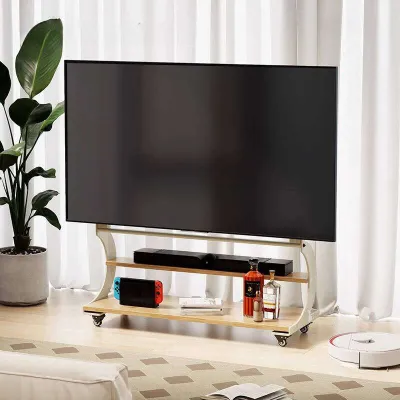
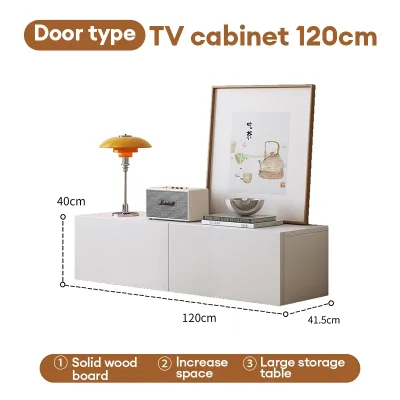
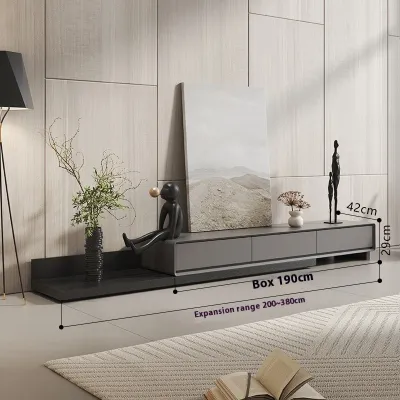
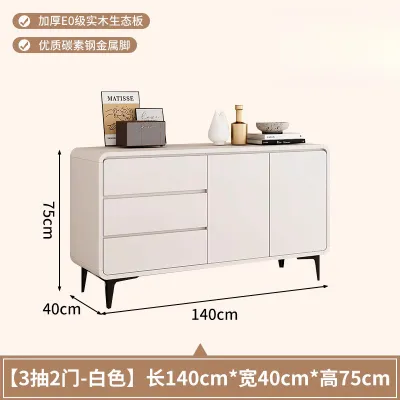
![[CozyNest ]YOOK Solid Wood TV Console Floor-Standing TV Cabinet Tv Console Cabinet TV Cabinet](https://img.lazcdn.com/g/p/fcdcfe31672370cdc9abb4e517126e8d.jpg_400x400q80.jpg_.webp)
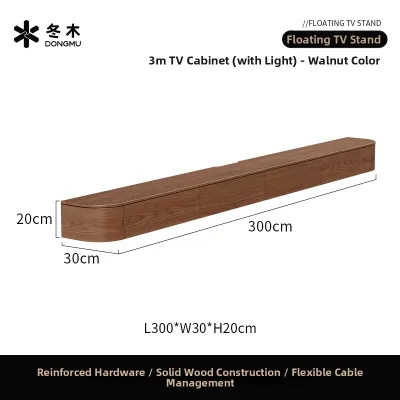
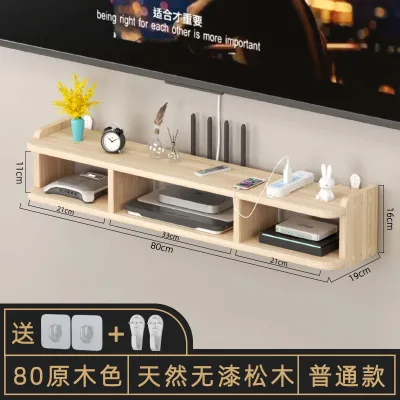
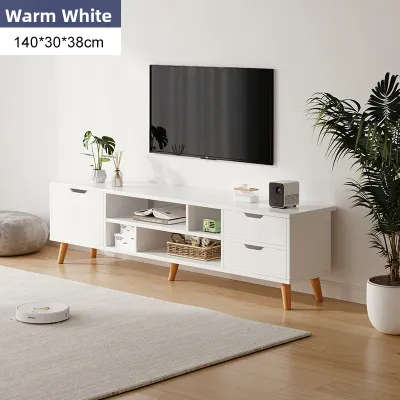
Prices are valid at publication and may change. Please refer to the product page for the latest price.

Once you have the physical width of your television, apply the visual balance rule to ensure structural stability and aesthetic harmony. A TV stand that is the exact same width as the television—or narrower—creates a top-heavy, unstable appearance that can make your living room feel cramped. To achieve a grounded, balanced look, select a wooden stand that extends at least 10 to 15 centimeters beyond the outer edges of the television on both sides. This extra space not only accommodates the physical screen safely but also provides room for small decorative items or a soundbar without crowding the display.
When assessing width, you must also prioritize the load capacity of the wooden top panel. Solid wood, veneer, and engineered wood boards have varying weight limits that must support your television’s physical weight without bowing or warping over time. Check the manufacturer’s specifications for the maximum weight limit of the top surface, and ensure it comfortably exceeds the combined weight of your TV, its stand, and any top-placed accessories.
In addition to matching the television, the width of your wooden console must harmonize with the scale of your living room wall. In compact apartments or HDB flats, a massive 2-meter TV console can easily overwhelm adjacent furniture, block natural light from nearby windows, or disrupt the flow of traffic. Measure the total length of the wall where the stand will reside, leaving at least 30 to 45 centimeters of open wall space on either side of the console to maintain a clean, uncluttered visual flow.
Calculating the Ideal Height for Ergonomic Viewing
To prevent neck strain and eye discomfort, your tv stand wood console must position the center of the television screen at your seated eye level. On average, a seated adult’s eye level is approximately 100 to 110 centimeters above the floor, depending on your physical height and the cushion depth of your sofa.
To calculate your ideal console height, begin by measuring the distance from the floor to your eyes while sitting in your typical viewing position on your sofa. Next, measure the physical height of your television screen and divide that number by two to locate the screen’s center point. Subtract this half-height value from your seated eye-level measurement to find the target height for the top surface of your wooden TV stand. For example, if your seated eye level is 105 centimeters and half of your TV’s height is 40 centimeters, your ideal stand height is approximately 65 centimeters.
Unlike adjustable metal wall mounts, wooden TV consoles feature rigid, fixed constructions that cannot be easily modified after purchase. Therefore, verifying the manufacturer’s specified height—including the thickness of the wooden top panel and the height of any decorative legs—is critical before finalizing your choice. If you plan to place a center-channel speaker or a soundbar directly beneath the television, you must also factor this height into your calculations to ensure it does not block the bottom of the screen.
To ensure physical safety, especially with taller wooden stands, you must evaluate the stability of the entire setup. A taller console naturally has a higher center of gravity, which increases the risk of tipping if bumped. Always verify if the manufacturer provides an anchoring method, such as wall-mounting brackets or safety straps, to secure the wooden stand directly to the wall studs, ensuring a secure and stable installation.
Managing Depth, Equipment Fit, and Room Clearance
The depth of your tv stand wood console is a critical factor that affects both the physical placement of your media equipment and the overall flow of your living room. While modern flat-screen televisions are incredibly thin, their desktop stands or feet often require significant depth to remain stable. Measure the deepest point of your TV’s base or legs, and ensure your chosen console offers at least 5 to 10 centimeters of extra depth to prevent the feet from sitting dangerously close to the front or back edges of the wooden surface.
Beyond the television itself, you must account for the physical dimensions of your auxiliary media devices, such as gaming consoles, AV receivers, and streaming boxes. Many high-performance AV receivers require a depth of 35 to 40 centimeters, which does not include the space needed for HDMI cables, power plugs, and speaker wires protruding from the rear. Check the internal shelf depth of any closed cabinets or open compartments within the wooden stand, ensuring there is sufficient room to close the cabinet doors fully without crimping or damaging your cables.
In compact living spaces, every centimeter of floor space counts toward maintaining comfortable walkways. Measure the total distance from the wall where the TV stand will sit to the front edge of your coffee table or sofa. To maintain comfortable passage, aim for a minimum walkway clearance of 60 to 75 centimeters between the front of the wooden console and any adjacent furniture. Because solid wood furniture has a heavy visual density, a deep, blocky console can make a narrow room feel significantly smaller; opting for a wooden stand with a depth of 40 centimeters or less, or one featuring slim legs that elevate the cabinet off the floor, can help preserve a sense of openness.
Crucial Transit and Installation Measurements Before You Buy
A beautifully sized wooden TV stand is of no use if it cannot physically enter your home or sit correctly against your living room wall. Because high-quality wooden furniture is often delivered fully assembled or in large, heavy boxes, verifying your transit pathways is a non-negotiable step. Measure the clear width and height of your main entryway, apartment lift doors, stairwell turns, and narrow corridor corners. Ensure that the package dimensions or the fully assembled dimensions of the console do not exceed these limits, particularly if your building lacks a spacious service elevator.
You must also consider the assembly conditions of the wooden TV stand before purchasing. Some wooden consoles are delivered fully assembled, which guarantees strong, factory-glued joints but requires maximum clearance through your doorways and lifts. Other models are delivered flat-packed, requiring self-assembly or professional on-site installation. If you choose a flat-packed model, verify that all joints, cam locks, and dowels are of high quality, as proper assembly directly impacts the ultimate load capacity and stability of the wooden stand.
Once the console is inside your home, utility clearances can significantly impact how the furniture sits in your space. Most homes feature skirting boards along the base of the walls, which can prevent a flat-backed wooden console from sitting completely flush. Measure the thickness of your skirting boards and check if the TV stand features a rear cutout or recessed legs to accommodate them; otherwise, you must add this thickness to your overall depth calculations. Additionally, locate your wall power sockets, fiber optic termination points, and television antenna ports to ensure the back of the wooden console does not block access.
Proper ventilation and cable management are also essential to protect both your wooden furniture and your electronic devices. Closed wooden cabinets can trap heat generated by modern gaming consoles and media players, potentially causing components to overheat. Inspect the back panel of the wooden stand for pre-drilled cable routing holes that allow for neat wire organization, and verify that there is adequate open space around your devices to facilitate passive airflow.
Common Sizing Mistakes and How to Avoid Them
Avoiding common sizing pitfalls can save you from the hassle of returning heavy wooden furniture or living with a poorly configured setup. The first major mistake is purchasing a console based solely on the TV’s diagonal inch rating, which fails to account for the physical width of the frame and the footprint of the stand’s feet. Always measure the actual physical dimensions of your screen and its base with a tape measure before shopping.
The second mistake is ignoring the depth requirements of your auxiliary equipment and soundbars, which can lead to unsightly overhangs and increased tipping risks. Ensure that all devices can sit fully supported within or on top of the console. The third frequent error is forgetting to account for the thickness of skirting boards and protruding wall plugs, which can push your console several centimeters forward and disrupt your calculated walkway clearances.
Another common misstep is assuming that a specific material name guarantees durability. While solid wood like teak, oak, or walnut is often associated with long-term durability, a material name alone does not prove weather, moisture, scratch, or wear performance. Always check the manufacturer’s care instructions and the type of finish applied (such as polyurethane, oil, or lacquer) to verify how the surface will perform under daily use and cleaning in your specific indoor environment.
Finally, many buyers overlook the visual weight of solid wood materials in smaller rooms. A dark, solid oak or teak console with a closed-base design can look incredibly bulky in a compact apartment, even if its physical dimensions are technically correct. To avoid visual crowding, consider lighter wood finishes, open shelving designs, or consoles with elevated legs that allow light to pass underneath.
Frequently Asked Questions (FAQ)
Can a wooden TV stand be narrower than the TV?
It is highly discouraged to use a wooden TV stand that is narrower than your television screen. A narrow stand creates a severe visual imbalance, making the entire setup look top-heavy and unstable. More importantly, if the television’s physical feet or base extend past the edges of the stand, or if the screen overhangs the sides, any accidental bump can cause the TV to tip over, risking damage to the screen and posing a safety hazard. Always select a stand that is wider than both the TV screen and its base.
How much space should I leave between the TV stand and the sofa?
The optimal distance between your TV stand and your sofa depends on the size and resolution of your television screen. For a standard 55-inch to 65-inch 4K television, a viewing distance of approximately 1.7 to 2.4 meters is recommended to ensure comfortable viewing without eye strain. In terms of physical room layout, ensure you maintain a clear walkway of at least 60 to 75 centimeters between the front of the wooden console and your coffee table or sofa to allow for easy movement through the living room.
Community discussion
Share your experience or ask a question. Comments are reviewed before publication.