
Finding the right size for a wooden tv console involves balancing room proportions, viewing comfort, and structural safety. A console that is too small makes your television look dangerously top-heavy, while an oversized cabinet can overwhelm a compact living space. To establish a balanced visual anchor, your console should ideally extend at least 10 to 20 centimetres beyond the outer edges of your television screen on both sides.
Beyond aesthetics, the dimensions of your media furniture dictate how comfortably you watch your favourite shows and how easily you navigate your living room. In modern apartments, where space is highly optimized, selecting a console requires precise measurements of your television, wall dimensions, and walkway clearances. By understanding how these measurements interact, you can choose a piece that supports your technology while enhancing your home’s interior design.
Quick Sizing Rules for Your Wooden TV Console
Before diving into precise tape measurements, establishing a few baseline rules of thumb will help you narrow down your options. These quick guidelines provide a reliable starting point for estimating the ideal width, depth, and height of your new wooden tv console.
Products mentioned in this guide
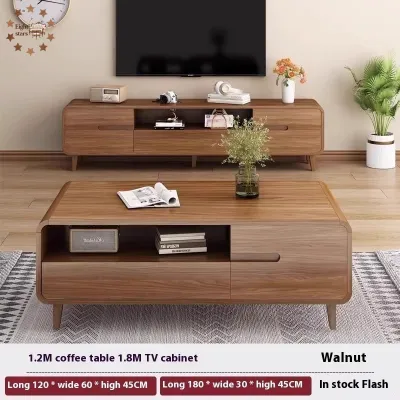
![[SG Ready Stock] Designer TV Cabinet (Wooden TV Console) Home And Style](https://img.lazcdn.com/g/p/87e73cf2dcca66015fc1d6ab80d2c425.jpg_400x400q80.jpg_.webp)
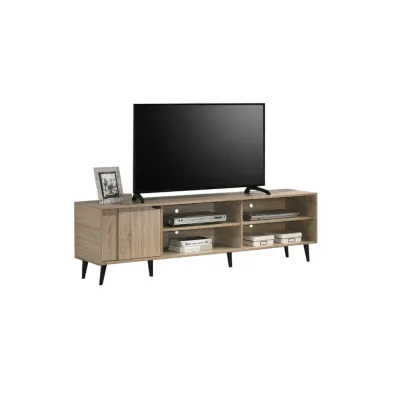
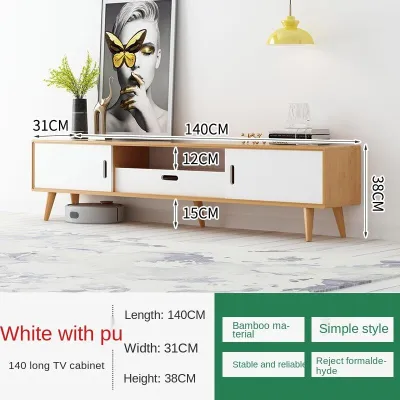
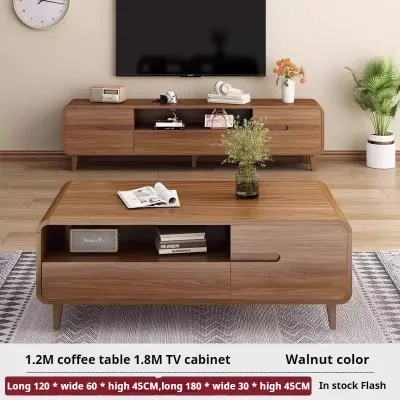
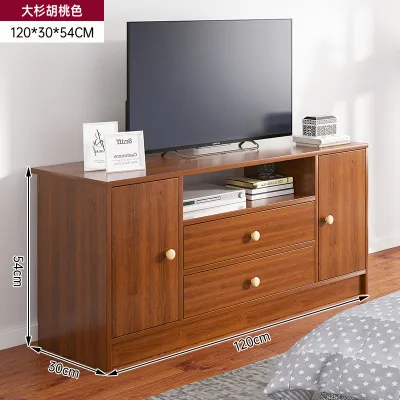
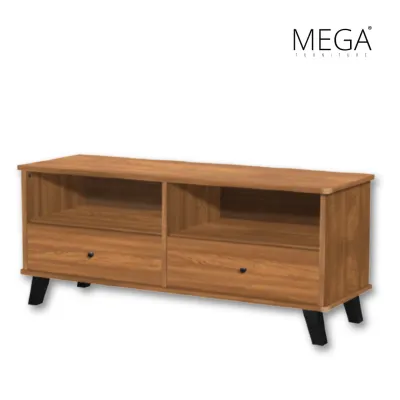
![[SG] Space-Saving Corner TV Console Solid Rubberwood with Sintered Stone Countertop Italian Modern Design Fully Assembled Living Room Cabinet for Small Space](https://img.lazcdn.com/g/p/f1ff1ba97f13043855fcdc0dfdb58537.jpg_400x400q80.jpg_.webp)
Prices are valid at publication and may change. Please refer to the product page for the latest price.
The most critical rule of console sizing is the visual balance of width. Your television should never overhang the sides of the console beneath it. A helpful guideline is the “two-thirds rule,” which suggests that the TV’s physical width should occupy roughly two-thirds of the console’s total width. This ratio leaves a comfortable margin on either side, creating a grounded, visually stable base that anchors the entire room’s design.
Standard depth ranges for modern media consoles typically fall between 35 and 50 centimetres. This range is designed to accommodate standard media players, gaming systems, and smart home hubs without protruding into your living space. If you plan to store deeper audio-visual receivers, you will need to target the upper end of this depth range to ensure the cabinet doors can close fully.
The height of your console is directly tied to your seating arrangement. Most standard living room consoles stand between 40 and 60 centimetres tall. This height range ensures that when you sit on a standard sofa, the screen remains at a comfortable viewing angle. Lower profile consoles (around 40 centimetres) are ideal for larger televisions or low-slung modern seating, while taller units (60 centimetres) work well with smaller screens or higher sofa cushions.
While these general guidelines offer a solid starting point, they are not a substitute for exact physical measurements. Every home layout and television model has unique specifications that require careful verification before you make a purchase.
Measure Your TV: Width, Weight, and Base Footprint
To choose a compatible wooden tv console, you must first understand the true physical dimensions of your television. Relying on the manufacturer’s advertised size can lead to costly sizing mistakes, as retail sizes do not represent the actual physical footprint of the unit.

Width versus Diagonal Measurements
Television sizes are marketed based on the diagonal length of the screen, measured from one corner to the opposite corner. This diagonal figure does not tell you how wide the television is from left to right. For example, a standard 65-inch television actually has a physical width of approximately 145 centimetres, depending on the thickness of the outer frame or bezel. Always use a physical tape measure to find the exact outer width from the far-left edge to the far-right edge of the TV frame.
Weight Capacity and Structural Limits
The physical weight of your television is another critical factor that dictates the type of wooden console you require. Solid wood consoles constructed from hardwoods like teak, oak, or walnut offer exceptional structural integrity and high load-bearing capacities. Conversely, consoles made from engineered wood, such as medium-density fibreboard (MDF) or particle board with wood veneers, may have lower weight tolerances, particularly across long, unsupported spans. Check the manufacturer’s specified weight limit for the top surface of the console and compare it against your television’s weight, which can be found in the user manual or on the manufacturer’s website.
Base Footprint and Stand Configuration
If you plan to place your television directly on top of the console rather than mounting it to the wall, you must evaluate the design of the TV’s stand. Televisions generally feature either a single, centralized pedestal stand or two wide-set feet near the outer edges. A central pedestal stand requires a smaller footprint, but you must still measure its depth to ensure it does not overhang the front or back edges of the console. Wide-set feet require a much wider console surface, as the feet must sit completely flat on the wood with several centimetres of clearance on all sides to prevent accidental tipping.
Evaluate Your Wall Space and Walkway Clearances
A wooden tv console does not exist in isolation; it must harmonize with the physical boundaries of your living room. Measuring your available wall space and understanding how the furniture affects room traffic is essential for creating a comfortable, functional layout.
Wall Length and Visual Breathing Room
In urban living spaces, such as Singapore’s HDB flats and condominiums, wall space is highly valuable and often limited. Start by measuring the total length of the wall where you intend to place the console. To prevent the room from feeling cramped, avoid buying a console that spans the entire length of the wall. Instead, subtract at least 30 to 60 centimetres from the total wall length to create visual “breathing room” on either side of the furniture. This buffer space prevents the console from looking jammed into a corner and leaves room for floor lamps, standing speakers, or indoor plants.
Depth and Walkway Clearances
The depth of your console directly impacts the flow of foot traffic through your living room. In compact layouts, a console that is too deep can turn a primary walkway into a tight squeeze. Measure the distance from the TV wall to the edge of your coffee table, rug, or sofa. To maintain a comfortable path, aim to preserve a clear walkway of at least 60 to 90 centimetres between the front edge of the wooden console and any adjacent furniture. If your space is exceptionally narrow, look for slim-profile consoles with a depth of 35 centimetres or less.
Accounting for Adjacent Furniture and Fixtures
Before finalizing your console dimensions, inspect the surrounding area for potential obstructions. Take note of the location of wall sockets, fibre optic terminal points, and light switches, ensuring the console does not block access to essential ports. Additionally, consider the swing paths of nearby doors, cabinet panels, or low-hanging air conditioning units. If your living room features a structural pillar or a household shelter door typical of newer HDB layouts, ensure the console’s length allows these doors to open fully without obstruction.
Align Console Height with Your Viewing Distance
Achieving the perfect viewing experience requires aligning the height of your wooden tv console with the distance between your seating area and the screen. Proper height alignment prevents physical discomfort, such as neck and eye strain, during long viewing sessions.
Viewing Distance and Screen Size
The distance from your sofa to the television wall determines the ideal screen size for your room. For instance, a viewing distance of approximately 2 to 2.5 metres is well-suited for a 55-inch or 65-inch television. Once you have determined the appropriate screen size for your viewing distance, you can calculate the corresponding console height needed to keep the screen at an ergonomic level.
The Principles of Eye-Level Ergonomics
The primary goal of ergonomic screen placement is to ensure that your neck remains in a neutral, relaxed position. When you are seated comfortably on your sofa, your line of sight should naturally land on the top third of the television screen. If the console is too tall, you will be forced to tilt your head backward, leading to neck strain over time. If the console is too low, you may find yourself slouching to look down at the screen.
Calculating Your Target Console Height
To find your ideal console height, you can perform a simple calculation. First, sit on your primary sofa and measure the distance from the floor to your eyes; for most adults, this seated eye height is between 90 and 110 centimetres. Next, measure the physical height of your television screen (excluding the stand) and divide this number by three. Subtract this top-third value from your seated eye height, then subtract the height of your television’s stand. The resulting figure represents the maximum height your wooden console should be. If you have a low-slung, modern sofa, you will likely need a low-profile console of 40 to 45 centimetres. If your sofa features firm, high cushions, a standard 50 to 60-centimetre console will provide a more comfortable viewing angle.
Plan for Delivery, Ventilation, and Cable Management
Selecting the right size for a wooden tv console involves more than just fitting it into your living room layout. You must also consider the practicalities of getting the furniture into your home, keeping your electronic equipment cool, and managing messy cords.
Delivery Route and Access Checks
High-quality wooden consoles, particularly those crafted from solid timber, are often delivered fully assembled to preserve their structural joints and stability. Before placing an order, you must verify that the furniture can actually be transported into your home. Measure the height and width of your front door frame, any narrow hallways, and stairwell turns. If you live in a high-rise condominium or HDB estate, measure the lift door opening and the interior cabin dimensions. Ensuring the console can fit inside the passenger lift or stretcher lift is a crucial step that prevents delivery failures and restocking fees.
Ventilation Clearances for Electronics
Modern media equipment, such as gaming consoles, cable boxes, and audio receivers, generates a significant amount of heat during operation. When placing these devices inside a wooden console, adequate airflow is essential. Ensure there is at least 5 to 10 centimetres of open space around the sides and top of each device within the cabinet shelves. Trapping heat inside closed wooden compartments can cause electronic components to overheat and fail prematurely. Furthermore, prolonged exposure to high temperatures can dry out natural wood finishes, leading to unsightly warping, cracking, or discoloration of the timber.
Cable Management and Depth Clearance
A clean, clutter-free look is one of the main reasons homeowners choose high-quality wooden media furniture. To achieve this, your console must have adequate space and built-in features for cable management. Look for designs that include pre-drilled cable grommets or open back panels. When calculating the depth of your console, remember that power plugs, HDMI cables, and bulky power bricks often require an extra 3 to 5 centimetres of space behind your devices. If the internal shelves are too shallow, these cables will press against the back panel, forcing you to pull the entire console away from the wall and leaving an unsightly gap.
Common Sizing Mistakes to Avoid
To ensure you make a successful purchase, double-check your measurements against these common sizing errors:
- Relying solely on the advertised TV size: Remember that a 65-inch TV refers to the diagonal screen measurement, not the actual physical width. Always measure the physical outer frame of your TV before shopping for a console.
- Ignoring walkway clearances in compact rooms: A console that fits your wall perfectly but blocks the path to your balcony, kitchen, or entrance will quickly become a daily frustration. Maintain at least 60 centimetres of walking space.
- Underestimating the depth of AV equipment: Soundbars, amplifiers, and gaming systems often have deep footprints. Ensure your console's top surface or internal shelves can accommodate these devices without them hanging over the front edge.
- Overlooking weight limits on shelves: Do not assume all wooden consoles can support heavy audio systems or large televisions. Always check the manufacturer's load capacity, especially for engineered wood or floating designs, to prevent sagging or structural failure.
- Neglecting delivery path dimensions: A stunning, solid wood console is of no use if it cannot fit through your front door or inside your building's lift. Always measure your entryways and lift cabins before finalizing your purchase.
Community discussion
Share your experience or ask a question. Comments are reviewed before publication.