
Choosing the right size wooden TV console involves balancing the physical dimensions of your television, the layout of your living room, and your viewing comfort. A well-proportioned console serves as a stable anchor for your entertainment setup, ensuring your TV is positioned at an ergonomic height while offering sufficient storage for media devices. To find the perfect fit, you must look beyond the diagonal screen size of your television and evaluate the actual physical footprint, your seating distance, and the specific spatial constraints of your home.
Measure Your Available Wall and Floor Space
In compact living environments, every centimeter matters. Start by measuring the total width of the wall where you plan to position the console. Leave a comfortable buffer on either side of the furniture. Avoid running the console completely flush against adjacent walls or doorframes, as this can make the room feel cramped. Allow clearance on both ends to accommodate floor lamps, speakers, or plants, and to ensure doors swing open freely.
Next, inspect the lower wall for baseboards and power outlets. Baseboards can prevent a flat-backed console from sitting flush against the wall, requiring you to account for a small gap. Locate all wall sockets, cable TV points, and internet ports. Ensure the console does not completely block access to these outlets, or that the unit features back-panel cutouts that align perfectly with their positions.
Products mentioned in this guide
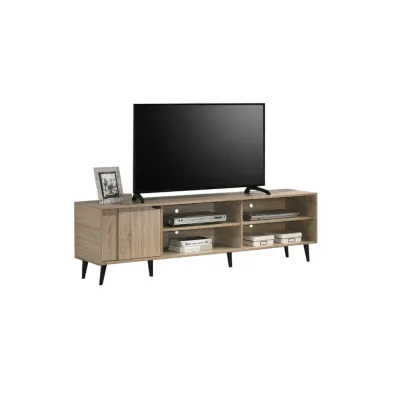
![[SG Ready Stock] Designer TV Cabinet (Wooden TV Console) Home And Style](https://img.lazcdn.com/g/p/87e73cf2dcca66015fc1d6ab80d2c425.jpg_400x400q80.jpg_.webp)
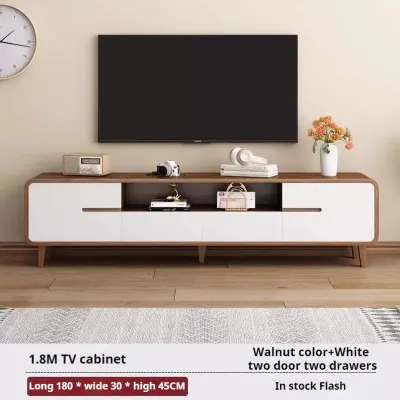
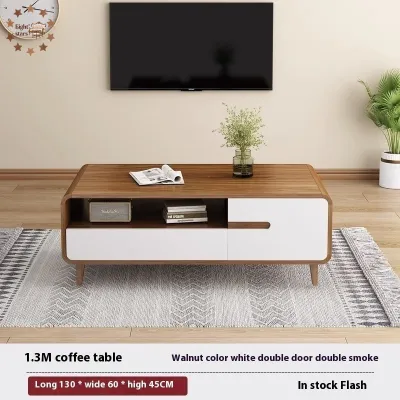
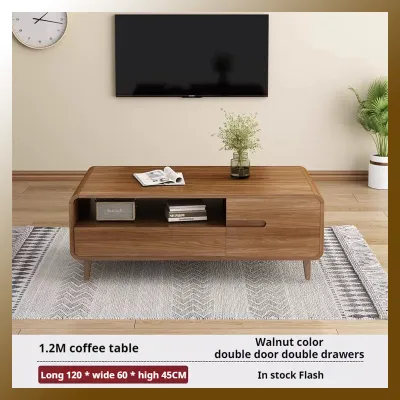
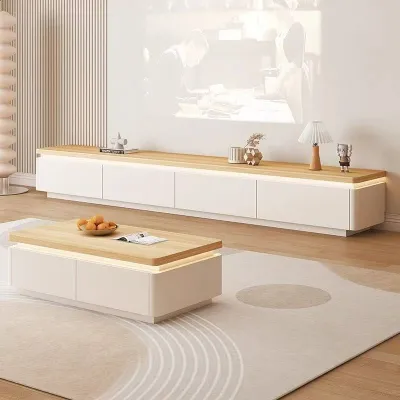
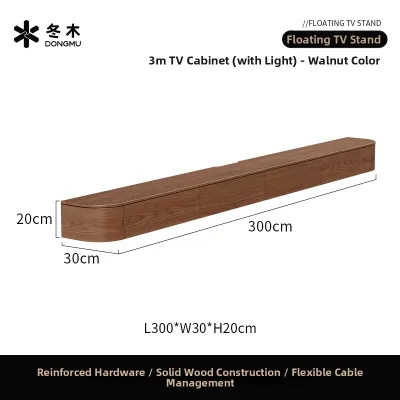
Prices are valid at publication and may change. Please refer to the product page for the latest price.
Finally, measure the depth of the floor space. A standard living room walkway requires clear passage. If your console is too deep, it will encroach on this pathway, making the space feel tight. Measure the distance from the wall to the edge of your coffee table or sofa to ensure there is ample room to walk comfortably even when cabinet doors or drawers are fully extended. Don’t forget to measure your home’s entryways, corridors, and lift doors; a long, fully assembled wooden console must clear these tight corners during delivery.
Match the Console Width to Your TV Size
A common design mistake is pairing a television with a console of a similar or narrower width. For proper visual balance, your wooden TV console should always be wider than the TV. When a TV overhangs the edges of the cabinet beneath it, the setup looks top-heavy and visually jarring. A wider console creates a pleasing pyramidal silhouette that anchors the room and provides physical stability.

To calculate the minimum console width, determine the actual physical width of your television. Remember that TV sizes refer to the diagonal screen measurement, not the horizontal width. Use a tape measure to find the exact left-to-right physical width of your TV frame. As a general guideline, aim for a console that is wider than the television on each side. This margin ensures the TV sits comfortably centered with a safe visual border, reducing the risk of someone accidentally bumping into the exposed edges of the screen.
If you plan to place the television directly on its stand on top of the wooden console, physical stability becomes even more critical. Verify the distance between the TV stand’s feet to ensure they fit entirely on the console’s top surface with room to spare. Additionally, consider the weight of your television. Large screens can be heavy, and long wooden consoles can sag over time if they lack adequate center support legs or robust internal framing. Always check the manufacturer’s specified load-bearing capacity for the console to ensure it can safely support your TV and any heavy audio equipment without bowing.
Factor in Viewing Distance and Console Height
Achieving an ergonomic viewing position is vital for preventing neck and eye strain. Ideally, your eyes should align with the lower third or center of the TV screen when seated. Because the height of your wooden TV console directly determines the height of the television resting upon it, selecting the correct console height is a critical decision.
To find your ideal console height, start by measuring the eye level of an average adult seated on your living room sofa. Sit comfortably and measure the distance from the floor to your eyes. Next, subtract half of your television’s physical height from this eye-level measurement. The resulting number represents the approximate height where the top surface of your TV console should sit. If your viewing distance is relatively short, a lower console is often preferred to keep the screen within a comfortable field of vision without requiring you to tilt your head upward.
The leg design of the wooden console also plays a significant role in both aesthetics and practical maintenance. Floor-standing consoles with solid plinth bases offer a grounded, substantial look and prevent dust from gathering underneath, but they can feel visually heavy in smaller rooms. Conversely, consoles with high, tapered legs or wall-mounted floating designs create an airy, spacious feel and allow robot vacuums or traditional mops to pass underneath easily. Ensure the leg height is factored into the overall height of the unit so that the final screen position remains ergonomically sound.
Check Storage Needs and Cable Management
A wooden TV console is also the central hub for your home entertainment devices, gaming systems, and media accessories. Before finalizing your purchase, take a complete inventory of the items you need to store. Measure the height, width, and depth of your media players, game consoles, smart home hubs, and soundbars. Compare these dimensions against the internal shelf measurements of the console, keeping in mind that devices need clearance on all sides for proper ventilation.
Effective cable management is essential for maintaining a clean, clutter-free living room. Look for wooden consoles that feature pre-drilled cable routing holes in the back panels of the compartments. These openings allow you to run power cords and HDMI cables directly to the wall outlets without having to modify the furniture yourself. Additionally, consider the balance between open shelving and closed cabinets. Open shelves provide easy access for remote control signals and maximum airflow to prevent electronics from overheating, but they also collect dust quickly. Closed cabinets with wooden or slatted doors keep clutter out of sight, but you must ensure they allow infrared signals to pass through or use a media repeater if necessary.
The mechanism of the cabinet doors is another practical detail that impacts daily usability. Swing-out doors require clear floor space in front of the console to open fully, which can be restricted by thick area rugs or a nearby coffee table. Sliding doors or drop-down flap doors are excellent alternatives for tight spaces, as they do not project as far into the room’s walking paths. Always check that the front clearance is sufficient for you to access your stored items comfortably.
Common Sizing Mistakes to Avoid
One of the most frustrating post-purchase issues occurs when a wooden TV console arrives but cannot fit into the home. Many buyers measure their wall perfectly but forget to check the packaged dimensions. In high-rise apartments or homes with narrow entryways, a long, fully assembled wooden console may not fit into the elevator or clear tight staircase landings. Always verify the delivery path from the loading bay to your living room before ordering, and check if the retailer offers on-site assembly.
Another frequent error is relying entirely on the television’s diagonal screen size. A large TV does not have a physical width equal to its diagonal measurement. Furthermore, some TV models feature wide-set feet rather than a centralized pedestal stand, requiring a much wider and deeper surface to sit securely. Always measure the physical footprint of the TV stand itself, not just the screen.
Finally, consider the environmental placement of your wooden furniture. Placing a natural wood console directly beneath an active air conditioning vent or in the path of intense, direct afternoon sunlight can cause the wood to warp, crack, or fade over time. Check the manufacturer’s care instructions and ensure the console is positioned away from extreme temperature fluctuations and direct moisture sources to preserve its structural integrity, joints, and finish for years to come.
Frequently Asked Questions (FAQ)
Can I place a TV wider than the wooden console?
It is highly discouraged to place a television that is wider than its supporting wooden console. Doing so creates a significant safety hazard, as the exposed edges of the TV are highly vulnerable to accidental bumps from household activity, which can easily tip the television over. Visually, an overhanging TV disrupts the balance of the room, making the entire entertainment area look cramped and poorly planned. For a secure and aesthetically pleasing setup, always ensure the console is wider than the television.
How deep should a wooden TV console be?
Most standard wooden TV consoles range in depth from 40 to 50 centimeters. To determine the ideal depth for your setup, measure your deepest media component—often an AV receiver or a gaming console—and add a few centimeters to account for rear cable connectors, plugs, and proper airflow. Ensure that this total depth fits comfortably within your living room layout without blocking walkways or preventing nearby cabinet doors and drawers from opening smoothly.

Community discussion
Share your experience or ask a question. Comments are reviewed before publication.