
Selecting the perfect wall mount tv console requires balancing screen dimensions, wall space, and room flow. To achieve an aesthetically pleasing and safe setup, your console should generally be at least 20 to 30 percent wider than your television screen while maintaining a depth that preserves walkway clearance. In compact urban environments, such as Singapore’s HDB flats and condominiums, choosing the right proportions ensures your living room feels spacious, balanced, and highly functional.
Measure Your Wall Space and Room Layout
Before browsing designs, you must establish the physical boundaries of your designated entertainment wall. Use a reliable steel measuring tape to record the exact width and height of the usable wall area. It is vital to measure the specific section of the wall where the console will sit, rather than assuming the entire wall is uniform, as plastering and baseboards can create subtle variances.
Map out every architectural obstacle that could interfere with the console’s placement or installation. Take note of nearby windows, doors, air conditioning units, light switches, and wall-mounted distribution boards (DB boxes). In many local homes, surface-mounted electrical trunking, fiber optic termination points, or structural pillars can significantly reduce the flat wall area available for mounting furniture.
Products mentioned in this guide
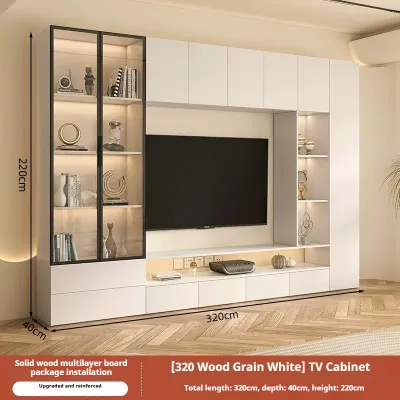
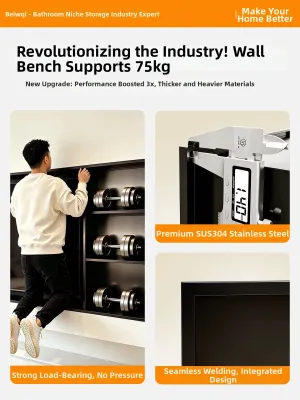
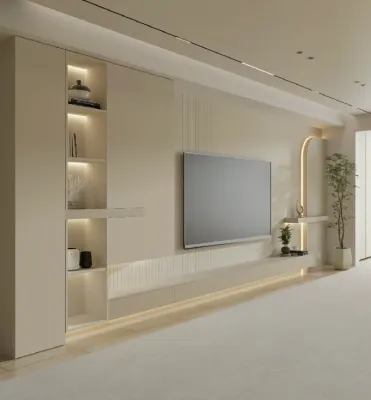
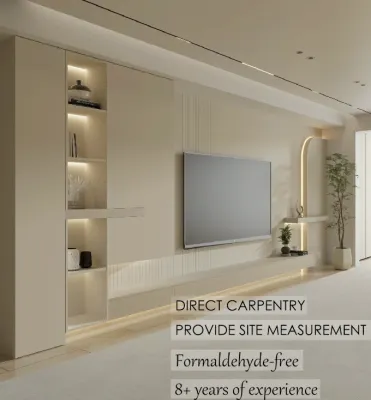
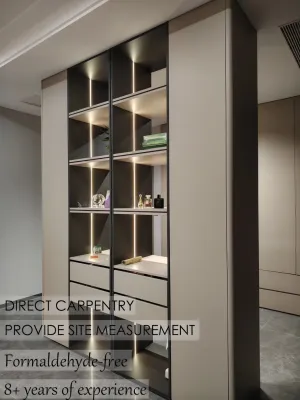
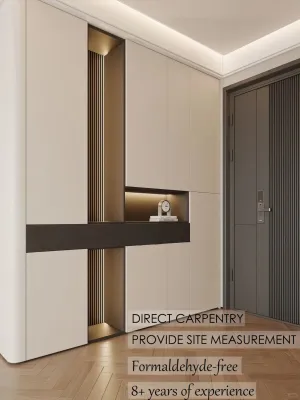

Prices are valid at publication and may change. Please refer to the product page for the latest price.
In typical HDB or condominium layouts, the visual weight of a floating console can dramatically alter the perception of space. A console that stretches too close to a doorway or corner can make a compact living room feel cramped and restricted. Aim to leave a comfortable visual buffer of at least 15 to 30 centimetres between the ends of the console and any adjacent walls or structural boundaries.
Evaluate the wall’s structural layout to determine the maximum safe footprint for your floating unit. This involves identifying whether you are dealing with a structural concrete wall or a hollow partition wall, as this directly dictates how much weight the wall can support. Mapping this out early prevents the disappointment of purchasing a heavy, solid-wood console that your wall cannot safely support without extensive reinforcement.
Match the Console Width and Depth to Your TV
Achieving visual balance between your television and your wall mount tv console is essential for a cohesive living room design. A common rule of thumb is to ensure the console is at least 10 to 20 centimetres wider than the TV frame on each side. This extra width prevents a top-heavy appearance where the screen seems to overwhelm the furniture below it, creating a more grounded and stable aesthetic.

To calculate this accurately, do not rely solely on the advertised diagonal screen size of your television, such as 55 inches or 65 inches. Instead, measure the actual physical width of the TV frame from left to right, including the bezel. This physical width is what you will use to determine the minimum required width of your wall-mounted console to maintain proper proportions.
The depth of the console requires equally careful planning, particularly if you plan to place devices on top of or inside it. Consider the thickness of your TV when mounted, the profile of the wall bracket, and the dimensions of any external media devices. If you use a soundbar or a center channel speaker, measuring its depth is crucial to ensure it does not overhang the front edge of the console.
When selecting materials like solid oak, walnut veneer, or engineered wood with a laminate finish, remember that the material name alone does not guarantee scratch or moisture resistance. Always check the manufacturer’s care instructions, inspect the quality of the joints, and evaluate the finish to ensure it can withstand the daily wear of your specific household environment, such as holding heavy media players or resisting accidental spills.
Modern screens feature incredibly thin bezels, which makes their visual footprint feel slightly lighter, but they still require a substantial base to ground them visually. Aligning the clean horizontal lines of the console with the screen helps create a unified entertainment zone. If you have a larger screen, a longer, low-profile console is often the most visually harmonious choice to balance the scale of the room.
Balance Viewing Distance and Walkway Clearances
The distance between your primary seating area and the television wall directly influences how deep your console should be. In cozy living spaces where the sofa sits close to the wall, a deep console can protrude into your line of sight and make the room feel claustrophobic. Opting for a slimmer profile helps maintain a comfortable and open viewing experience.
Walkway clearance is a critical safety and comfort factor that is frequently overlooked during the planning stage. A floating console that projects too far into a high-traffic zone can become a painful tripping hazard for family members. Ensure there is a clear, unobstructed path of at least 90 centimetres between the front edge of the console and any opposing furniture, such as a coffee table or footstool.
Take time to measure the swing paths of nearby doors, cabinets, or windows to prevent accidental collisions with the console. If your living room features a narrow layout, every centimetre of floor space is precious. Selecting a shallow-depth console—typically between 25 and 35 centimetres—helps preserve an airy feel while still providing essential storage for your home entertainment needs.
Your choice should also account for how people move through the room when the television is in use. A console with a streamlined, rounded-corner design can soften the visual impact in tight walkways and prevent painful bumps. Balancing these spatial clearances ensures your living room remains highly functional for daily activities, social gatherings, and quiet evenings.
Check Wall Constraints and Installation Clearances
Before mounting any heavy furniture, you must verify the structural composition of your wall to ensure safety and stability. Solid concrete or brick walls, which are standard in most HDB flats, offer exceptional load-bearing capacity and can support substantial weight. In contrast, drywall or hollow partition walls require careful reinforcement and specialized mounting hardware.
Before drilling into any wall or mounting a heavy console, always check the console manufacturer’s installation instructions and your TV’s mounting guidelines. If the instructions conflict, or if you are unsure of your wall’s material and load capacity, stop the installation immediately and consult a qualified professional installer to prevent damage or injury. Never rely on basic plastic wall plugs to support a heavy floating console on a partition wall.
Cable management is another crucial element that requires early planning to achieve a clean, clutter-free look. Measure the locations of your existing power sockets, cable TV outlets, and internet ports relative to where the console will be mounted. Ensure the back of the console has adequate cutouts or gaps to allow cables to pass through without being pinched against the wall, which can damage the cords.
Proper ventilation is essential for the longevity of your media players, gaming consoles, and smart home hubs. Enclosed wooden cabinets can trap heat, leading to device malfunction or reduced lifespan. If you plan to store electronics inside the console, ensure there are sufficient ventilation gaps, open shelving, or slatted doors to allow heat to dissipate naturally.
Determine the ideal bottom clearance between the floor and the underside of the floating console. Leaving a gap of at least 15 to 20 centimetres creates a modern, lightweight aesthetic and makes floor maintenance much easier. This clearance is particularly important if you use a robotic vacuum, as it allows the device to navigate and clean underneath without getting stuck or causing scuffs on the console’s lower edge.
Common Sizing and Placement Mistakes to Avoid
One of the most frequent design errors is pairing a large television with a console that is narrower than the screen. This setup creates an unstable, top-heavy visual dynamic that disrupts the harmony of the entire room. Always prioritize a console that extends past the edges of the TV to anchor the space effectively and create a balanced focal point.
Another common pitfall is failing to check the exact placement of wall sockets before drilling mounting holes. This oversight can result in the console covering essential outlets, preventing you from plugging in your devices or forcing you to mount the unit further from the wall than intended. Double-check all electrical positions relative to your console’s mounting brackets before finalizing the height.
Selecting a console with excessive depth for a narrow room is a mistake that quickly ruins the spatial flow of a home. A bulky unit can make a walkway feel cramped and restrict movement, especially when opening nearby cabinet doors or navigating the space in the dark. Stick to a slim, low-profile design if your living area has limited floor space to maintain a comfortable environment.
Lastly, never ignore the maximum weight capacity specified by the console manufacturer or the limits of your wall structure. Overloading a floating unit with heavy decorative items, books, and media devices can lead to sagging, damage to the wall, or complete detachment. Always err on the side of caution, distribute weight evenly across the unit, and perform regular checks on the mounting brackets for stability.
Frequently Asked Questions (FAQ)
Can I mount a TV console on a drywall or partition wall?
Yes, you can mount a TV console on a drywall or partition wall, but you must take specific structural precautions to ensure safety. Standard drywall cannot support the shear weight of a heavy floating console on its own. You must locate the internal wall studs using a stud finder and secure the mounting brackets directly into these structural supports. Always check the console manufacturer’s guidelines for weight limits and recommended hardware, and consult a professional contractor if you are unsure about your wall’s load capacity.
How high should a wall-mounted TV console be from the floor?
The ideal mounting height for a wall-mounted TV console typically ranges from 20 to 30 centimetres off the floor, depending on your seating height and eye level. To determine the best position, sit comfortably on your primary sofa and look toward the wall; your eye level should ideally align with the center or lower third of your TV screen. The console should be positioned below the TV with a comfortable gap of 10 to 20 centimetres between them, ensuring adequate clearance underneath for cleaning tools and robotic vacuums.
Community discussion
Share your experience or ask a question. Comments are reviewed before publication.