
Selecting the perfect wall mounted shelf for your home is more than just an aesthetic choice; it requires a precise balance of spatial planning, structural awareness, and functional utility. In Singapore’s modern residential layouts, where space optimization is highly valued, utilizing vertical wall areas is a smart way to clear floor clutter. However, choosing a shelf that is too deep can disrupt the flow of a room, while selecting one that is too long for your wall type can lead to structural damage. To make an informed decision, you must evaluate your available wall space, identify the underlying wall material, and calculate the exact dimensions required for the items you plan to store.
Assess Your Available Wall Space and Layout
Before browsing designs or purchasing a wall mounted shelf, you must accurately measure your physical wall area to determine the maximum safe dimensions. Grab a reliable metal tape measure and record the total width and height of the clear wall space where you plan to install the shelf. Avoid planning a shelf that runs directly to the edge of a wall or adjacent furniture. Instead, leave a buffer zone of at least 5 to 10 cm from corners, door frames, window casings, or skirting boards. This gap creates a clean visual border, prevents the space from looking overcrowded, and provides a crucial margin of error during the installation process.
Next, carefully inspect the chosen wall area for fixed obstacles that could interfere with the shelf or its mounting brackets. In Singapore apartments, walls are often shared with electrical wiring, air conditioning trunking, light switches, and power outlets. If you plan to install a shelf above a study desk or kitchen counter, ensure it does not block access to these essential utilities. Additionally, check the path of nearby cabinet doors, room doors, or window panels when they are fully opened. A shelf that extends too close to a doorway can easily block a door’s swing or become damaged by repeated impacts.
Products mentioned in this guide
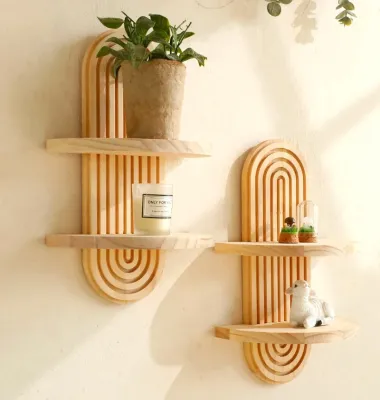
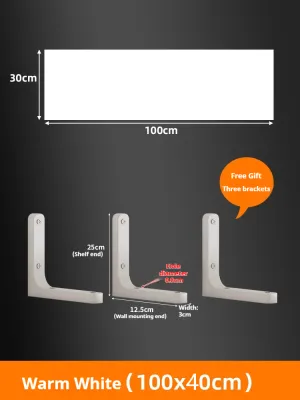
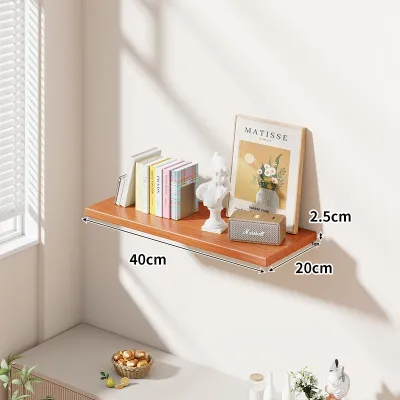
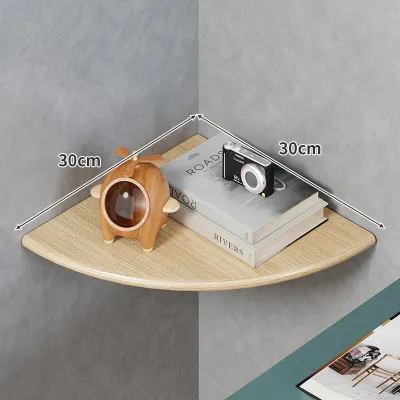
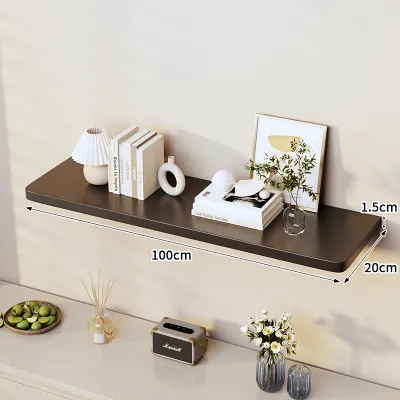
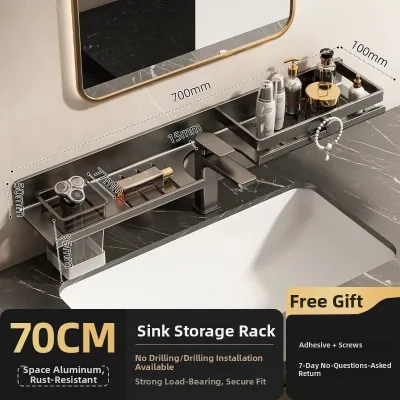
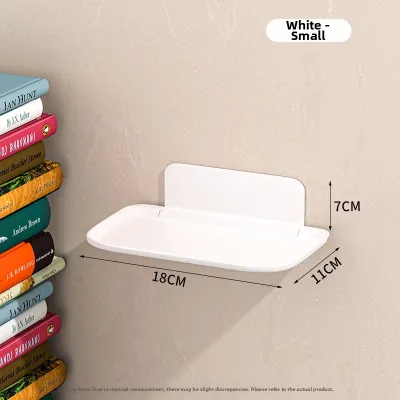
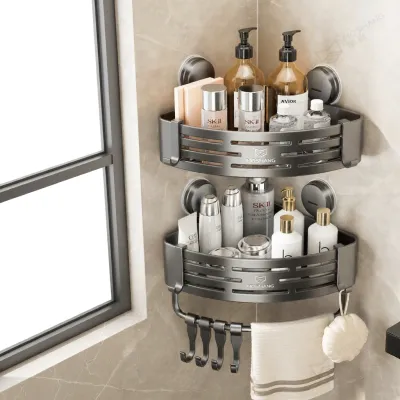
Prices are valid at publication and may change. Please refer to the product page for the latest price.
Protrusion into the living space is a critical factor that directly impacts daily comfort and safety, particularly in narrow corridors, entryways, or compact bedrooms. A shelf that sticks out too far from the wall can restrict movement and lead to painful physical collisions. When planning your layout, measure the clearance in front of the wall and consider the traffic flow of the room. In high-traffic areas or narrow pathways, opt for a shallower shelf depth to ensure that household members can walk past comfortably without needing to squeeze or dodge the installation.
Match Shelf Dimensions to Your Storage Needs
The items you intend to place on your wall mounted shelf will dictate its necessary depth, length, and overall thickness. Choosing these dimensions without a clear inventory of your storage needs often leads to a shelf that is either visually awkward or physically inadequate.

Determining shelf depth
The depth of your shelf—the distance it extends outward from the wall—should match the physical size of your stored items to prevent them from hanging over the edge.
- Shallow shelves (10 to 15 cm): These are highly effective for displaying small decorative items, photo frames, spice jars, or lightweight paperback books. Because they have a minimal footprint, they are ideal for tight spaces like corridors, bathrooms, or kitchen backsplashes.
- Standard shelves (20 to 25 cm): This is the most versatile depth, perfectly suited for standard novels, textbooks, medium-sized potted plants, and typical storage baskets. It provides a stable base for everyday household items without requiring excessively bulky brackets.
- Deep shelves (30 cm and above): Necessary for larger items such as heavy storage boxes, binders, kitchen appliances, or oversized art books. Keep in mind that deeper shelves create a longer lever arm, which exerts significantly more pulling force on the wall anchors and brackets.
Calculating required length
To find the ideal shelf length, gather the items you plan to display and arrange them in a line on a table or floor. Measure the total width of this arrangement to determine your minimum required length, adding a few centimeters of breathing room between items for a balanced look. If you have a long wall to cover, consider installing multiple shorter shelves in a staggered, asymmetrical, or vertical column layout instead of a single, exceptionally long span. This approach distributes the weight more evenly across multiple mounting points, reducing the risk of the shelf sagging in the middle.
Considering shelf thickness
Shelf thickness plays a dual role in structural integrity and visual weight. Thicker shelves, typically measuring 3 to 5 cm, offer a substantial, premium appearance and are excellent for distributing heavier loads across brackets without bending. Thinner profiles of 1.5 to 2 cm are better suited for minimalist design schemes and lightweight decorative displays. However, thin shelves made of materials like particleboard can easily bow over time if they are subjected to heavy loads across a wide span.
Understand Wall Types and Installation Limits
The structural composition of your wall dictates the maximum weight capacity, bracket spacing, and installation method for your wall mounted shelf. Installing a shelf without verifying what lies behind the plaster or concrete can result in a collapsed shelf and severe wall damage.
In Singapore, residential walls generally fall into two main categories: solid concrete or brick walls, and lightweight drywall or partition walls. Solid concrete walls, standard for structural and external walls in HDB flats and condominiums, offer exceptional load-bearing capacity. These walls can easily support heavy, deep, and long shelves, provided you use high-quality masonry wall plugs and screws. Drilling into solid concrete requires a high-quality rotary hammer drill and specialized masonry drill bits, as standard drills will struggle to penetrate the material.
Conversely, drywall or partition walls, which are commonly used to divide bedrooms or study areas in newer residential developments, have strict weight limitations. To mount a shelf securely on drywall, you must locate the internal wooden or metal studs using a stud finder and anchor your brackets directly into them. Mounting a heavy shelf solely into the plasterboard using hollow-wall anchors is highly risky; over time, the weight of the shelf can pull the anchors straight through the drywall, leaving large holes and causing the entire unit to fall.
Bracket spacing is another critical factor tied directly to the shelf material and the wall type. Long shelves require intermediate brackets to prevent the wood, laminate, or metal from bowing under weight. As a general rule, brackets should be spaced no more than 60 to 80 cm apart. This distance should be reduced further if you are using softer materials like particleboard, or if you plan to store dense, heavy items like large book collections or heavy ceramic pots.
If you are unsure of your wall type, cannot locate the structural studs, or plan to store exceptionally heavy items, do not guess or rely on unverified online hacks. Stop the installation process immediately and consult a qualified local contractor or professional handyman. Spending a small amount, typically ranging from S$50 to S$150, on professional installation is a worthwhile investment to ensure your shelves remain securely anchored and completely safe.
Common Sizing Mistakes to Avoid
To ensure a successful installation, it is helpful to learn from common mistakes that homeowners frequently make when selecting and positioning their wall shelves.
One major pitfall is ignoring shelf depth in active or high-traffic zones. Installing a deep shelf directly above a study desk, bed headboard, or living room sofa can result in painful head bumps when sitting down or standing up. Deep shelves in these positions can also block overhead light, casting harsh shadows across your workspace or reading area. For spaces above seating or sleeping furniture, opt for shallower shelves and mount them well above standing head height to maintain a comfortable environment.
Another frequent error is overestimating the load capacity of a long shelf board. Many people assume that a thick, high-quality wooden board can support heavy items across its entire span without middle brackets. Over time, gravity will cause the center of the shelf to sag, which weakens the wall anchors and eventually leads to bracket failure. Always distribute weight evenly across the shelf and add intermediate supports for any span exceeding 90 cm.
Vertical spacing between multiple shelves is also commonly overlooked during the planning phase. Homeowners often mount multiple shelves at equal intervals without measuring the height of the items they intend to store. Always measure your tallest items—such as upright binders, tall vases, or kitchen canisters—and add at least 5 to 8 cm of clearance above them. This extra space ensures you can easily retrieve and replace items without scraping the shelf above or damaging your belongings.
Finally, avoid neglecting visual proportion. A tiny shelf placed in the middle of a massive, empty living room wall will look lost and visually disconnected. Conversely, a massive, thick shelf crammed into a small alcove will overwhelm the space and make the room feel cramped. To avoid this, use blue painter’s tape to map out the proposed shelf dimensions on your wall before making a purchase, allowing you to assess the scale and visual balance from different angles in the room.
Frequently Asked Questions (FAQ)
How much weight can a standard wall-mounted shelf hold?
The weight capacity of a wall-mounted shelf is not a single fixed number; it depends entirely on the shelf material, the type of brackets used, and the wall construction. A shelf mounted on a solid concrete wall with heavy-duty steel brackets can often hold 20 to 30 kg or more, whereas the same shelf mounted on drywall without hitting studs might fail at less than 5 kg. Always check the manufacturer’s specified load limits for both the shelf board and the brackets, and use the appropriate wall plugs for your specific wall type.
What is the best height to install a wall shelf?
The ideal installation height depends on the shelf’s primary function and your height. For display shelves that showcase decorative items, placing them at eye level—typically between 140 and 160 cm from the floor—offers the best visual impact. For functional shelves holding frequently used items in a kitchen or study, mount them within comfortable reaching distance, usually between elbow and shoulder height of the primary user.
Can I install a long shelf without visible brackets?
Yes, floating shelves use concealed internal brackets to achieve a clean, minimalist look. However, floating shelves have a significantly lower weight capacity than shelves supported by visible external brackets, as they lack the diagonal support that transfers load to the wall. If you choose a long floating shelf, ensure it is anchored deeply into solid concrete or directly into wall studs, and limit its use to lightweight decorative items or small books.
Community discussion
Share your experience or ask a question. Comments are reviewed before publication.