
Finding the right size teak TV cabinet requires balancing the physical dimensions of your television, the available wall area, and the overall layout of your living room. In typical apartments like HDB flats or condominiums, space optimization is key. A well-proportioned teak cabinet not only anchors your entertainment setup but also ensures smooth traffic flow and visual harmony. To make an informed decision, you must measure your space accurately, account for delivery access, and plan for future technology upgrades.
Assess Your Wall Space and Room Layout
Before browsing online marketplaces or visiting showrooms, grab a measuring tape to map out your designated wall. Measure the total width and height of the wall where the cabinet will sit. Take note of fixed architectural features such as skirting boards, columns, or built-in shelving that might restrict the cabinet’s placement. It is also crucial to locate all wall sockets, cable outlets, and power points. A solid wood cabinet should sit flush against the wall or leave just enough gap for plugs, so check if the cabinet back has pre-cut openings that align with your wall outlets.
Room depth is another critical factor, especially in compact condo or HDB layouts. A cabinet that is too deep can narrow the walkway between your seating area and the television, making the room feel cramped. Measure the distance from the wall to the edge of your coffee table or sofa. Ideally, you should maintain a clear walking path of at least 60 to 90 centimeters in front of the cabinet. If your living room is narrow, look for low-profile designs with a shallower depth to preserve precious floor space.
Products mentioned in this guide
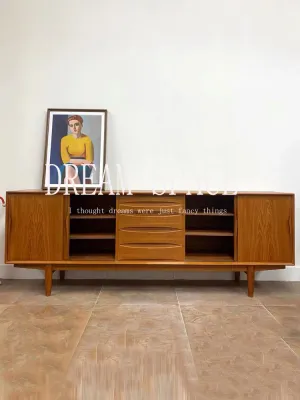
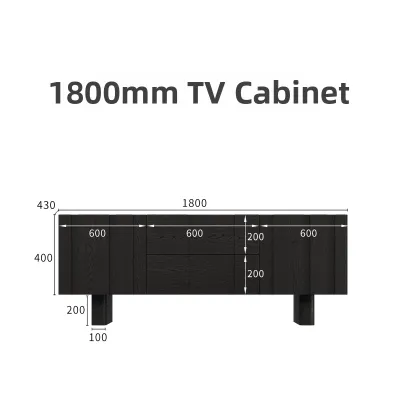
![[INNDESIGN.SG] Solid Teak Wood 6ft TV Console (Fully Assembled and Free Delivery)](https://img.lazcdn.com/g/p/d7632034d836f2052285d00ea691a82a.jpg_400x400q80.jpg_.webp)
![[INNDESIGN.SG] Solid Teak Wood 5ft TV Console (Fully Assembled and Free Delivery)](https://img.lazcdn.com/g/p/71f4cb0010a5e3544ab1acfbd15c3082.jpg_400x400q80.jpg_.webp)
Prices are valid at publication and may change. Please refer to the product page for the latest price.
Do not forget the logistics of getting the furniture into your home. Solid teak cabinets are heavy, sturdy pieces of furniture that often arrive fully assembled. Measure the height and width of your entry doorway, hallway turns, and elevator doors. If you live in an apartment without lift access or with tight stairwells, verify these dimensions against the finished dimensions of the cabinet. Confirming these measurements beforehand prevents the frustration of a delivery that cannot physically fit through your front door.
Match the Teak Cabinet to Your TV Dimensions
To achieve a balanced look, your teak cabinet must be wider than the television sitting on or above it. A general design guideline is to choose a cabinet that extends at least 10 to 20 centimeters beyond the outer edges of your TV screen on both sides. This creates a pleasing pyramid effect, where the base is wider than the top, preventing the setup from looking top-heavy. If you have a 55-inch TV, which typically has a physical width of about 120 centimeters, look for a cabinet that is at least 140 to 160 centimeters wide.

If you plan to place the TV directly on the cabinet rather than mounting it on the wall, check the dimensions of the TV’s base stand. Some modern televisions use wide-set legs rather than a central pedestal, requiring a deeper and wider surface. Measure the depth of the TV stand from front to back and compare it to the cabinet’s top surface depth. Ensure there is a safety buffer of several centimeters on all sides so the TV legs do not sit dangerously close to the edge, which could lead to accidental tipping.
It is also wise to plan for future upgrades. If you anticipate buying a larger television in the next few years, selecting a slightly longer teak cabinet now will save you from replacing your furniture later. Additionally, a wider surface provides dedicated space for essential media accessories, such as a soundbar, gaming console, or decorative items, without crowding the screen. Check the load capacity specified by the manufacturer to ensure the solid wood frame can safely support the combined weight of your current and future devices.
Plan for Clearance, Ventilation, and Traffic Flow
Electronic devices generate heat during operation, making proper ventilation essential for their longevity. When choosing a teak cabinet with enclosed shelving or drawers, check if the rear panels feature ventilation slots or open cutouts. If you plan to store gaming consoles or media receivers inside closed compartments, ensure there is at least 5 to 10 centimeters of clearance around each device for heat dissipation. For devices that rely on infrared remote controls, consider cabinets with slatted doors or open shelving to ensure signals can pass through without obstruction.
Cable management is another functional detail that affects both safety and aesthetics. Look for cabinets designed with integrated cable routing holes at the back of each shelf. This allows you to run power cords and HDMI cables directly to the wall outlets without creating a tangled mess behind or inside the unit. Keeping wires organized and tucked away prevents dust accumulation and makes cleaning much easier.
Finally, evaluate the traffic flow around the entertainment zone. The distance between your TV screen and your primary seating should align with comfortable viewing standards, which vary depending on the screen resolution. Ensure that opening the cabinet doors or pulling out drawers does not block the main walkway or collide with other furniture like coffee tables or armchairs. If space is exceptionally tight, sliding doors or open cubbies are excellent alternatives to traditional swing-out doors.
Common Sizing Mistakes to Avoid When Buying Teak Furniture
One of the most frequent mistakes is choosing a cabinet that matches the exact width of the TV. This creates a harsh vertical line that makes the television look unstable and visually overwhelming for the room. A cabinet that is too narrow disrupts the visual proportions of the living space, making even a premium solid wood piece look poorly planned.
Another common oversight is ignoring the visual weight of solid teak wood. Teak is a dense, rich material with prominent grain patterns and warm, golden-brown to dark tones. In smaller living rooms, a massive, floor-length teak console can dominate the space and make it feel dark or confined. To avoid this, consider a floating teak console or a model with slender legs that lift the cabinet off the floor, allowing light to pass underneath and creating an illusion of spaciousness.
Lastly, buyers often forget to account for the clearance needed for cabinet doors and drawers. Always measure the depth of the cabinet with its drawers fully extended and doors swung open. If the cabinet is placed near a room entrance or a passage to the balcony, ensure that opening a drawer does not block the doorway or create a hazard for family members moving through the room.
Frequently Asked Questions (FAQ)
Can I place a teak TV cabinet in front of a window?
Placing a teak TV cabinet in front of a window requires careful consideration of both height and environmental factors. Measure your window sill height to ensure the cabinet and the television do not block natural light or obstruct your view. From an environmental standpoint, solid wood is sensitive to extreme temperature fluctuations and direct sunlight. Check the manufacturer’s guidelines regarding sun exposure, as prolonged direct sunlight can fade the natural oils and finish of the teak wood. If placement in front of a window is unavoidable, use UV-blocking window films or sheer curtains to protect the wood from intense afternoon sun.
How much space should I leave on the sides of the TV cabinet?
Leaving adequate breathing room on the sides of your teak cabinet helps maintain a balanced and uncluttered aesthetic. A common recommendation is to leave at least 10 to 20 centimeters of clearance between the ends of the cabinet and adjacent walls or large furniture pieces. This symmetrical spacing prevents the room from feeling overcrowded and allows easy access to wall outlets, light switches, or nearby curtains. It also ensures you have enough physical space to clean around the sides of the cabinet without having to slide a heavy solid wood piece across your floor.

Community discussion
Share your experience or ask a question. Comments are reviewed before publication.