
Finding the right table and chair for toddler activities requires matching the furniture’s physical dimensions directly to your child’s individual measurements rather than relying solely on their age. While manufacturer packaging often lists broad age ranges, children grow at highly individualized rates. Selecting a set that fits your child’s specific height ensures they can sit comfortably with proper posture, which directly supports their physical development and improves their focus during play, crafts, and meals.
To make an informed decision, you must measure your child’s physical proportions, understand the key ergonomic alignment markers, and evaluate structural safety features. This guide walks you through the precise steps to measure your toddler, perform an ergonomic fit check, assess critical safety and stability elements, and decide between adjustable and fixed-size furniture sets.
Why Proper Sizing Matters for Toddler Posture
Toddlerhood is a phase of rapid skeletal development and motor skill acquisition. During these early years, a child’s bones and joints are highly malleable, making them susceptible to the physical habits they form daily. Providing an ill-fitting table and chair for toddler use forces them to adapt their bodies to the furniture, rather than having the furniture support their natural posture.
Products mentioned in this guide
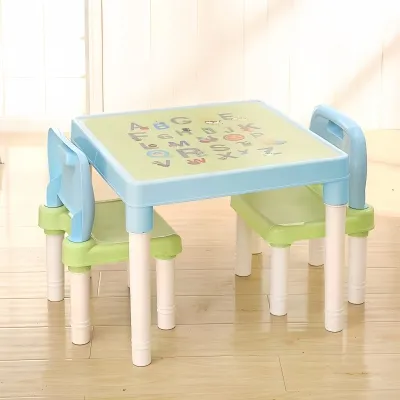
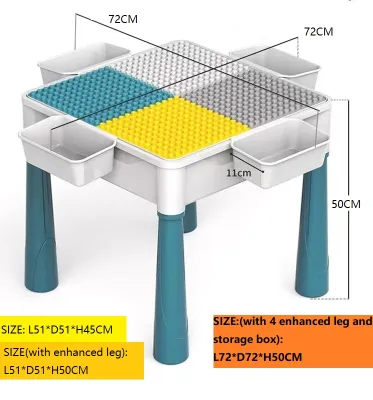
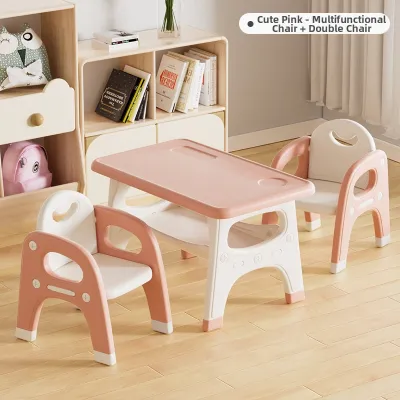
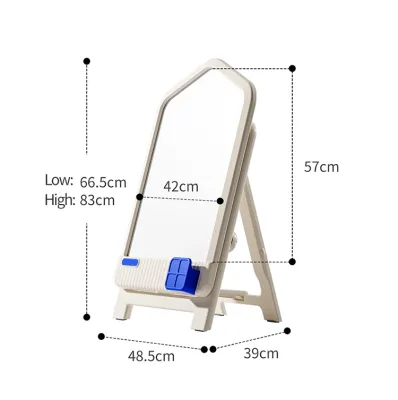
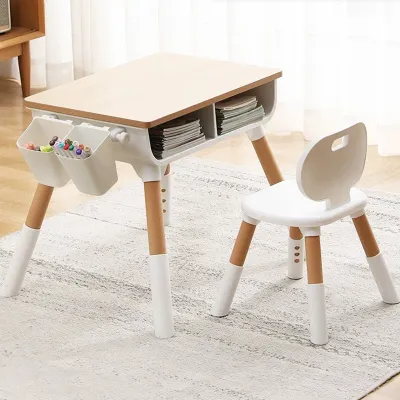
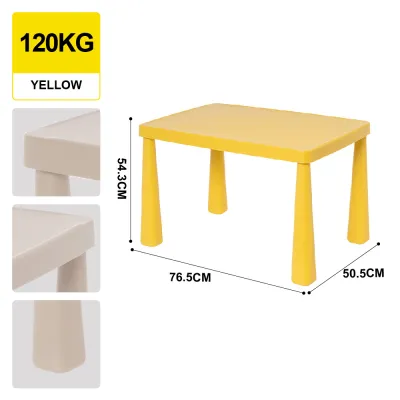
Prices are valid at publication and may change. Please refer to the product page for the latest price.
When a chair is too high, a child’s legs dangle without support. This suspension places continuous pressure on the back of their thighs, compressing blood vessels and nerves, which leads to discomfort, numbness, and inevitable restlessness. To compensate, toddlers often slouch forward or slide to the edge of the seat, compromising their spinal alignment. Conversely, if a table is too high, the child must hike their shoulders up toward their ears to rest their arms on the surface. This prolonged shoulder shrugging strains the neck and upper back muscles, quickly causing fatigue and shortening their attention span during activities like drawing, puzzles, or self-feeding.
A properly sized furniture set fosters a sense of independence and ownership. When toddlers can easily sit down and stand up without adult assistance, they gain confidence in their physical capabilities. Furthermore, physical comfort directly correlates with cognitive focus. A child who is not constantly shifting to find a comfortable position can dedicate more mental energy to fine motor tasks, creative play, and learning. Therefore, selecting furniture based on your child’s unique physical proportions—rather than a generic chronological age bracket—is essential for supporting healthy musculoskeletal growth and encouraging meaningful engagement in daily activities.
Step 1: Measure Your Toddler Instead of Relying Only on Age
Age-based sizing charts printed on furniture packaging are merely general guidelines and should not be the sole basis of your purchasing decision. Two children of the exact same age can vary significantly in torso length, leg length, and overall height. To find a table and chair set that truly fits, you must take personalized measurements using a flexible measuring tape before you begin shopping.

To determine the ideal seat height, have your child sit barefoot on a flat, firm step or stool with their knees bent at a comfortable 90-degree angle and their feet resting completely flat on the floor. Measure the distance from the floor up to the crease at the back of their knee. This measurement is your baseline chair seat height. A seat that matches this dimension ensures your child’s thighs are fully supported without the front edge of the seat digging into their calves.
Next, measure for the optimal table height. While your child is seated in the same position with their feet flat, instruct them to bend their elbow at a 90-degree angle, keeping their upper arm relaxed and aligned with their torso. Measure the distance from the floor to the underside of their bent elbow. This measurement represents the ideal height for the tabletop surface. It allows your child to rest their forearms comfortably on the table without needing to hunch their back or raise their shoulders.
Keep these precise centimeter measurements handy when browsing online marketplaces or visiting furniture showrooms. Comparing your child’s personal dimensions to the manufacturer’s detailed product specification sheets is the most reliable way to ensure a perfect fit, saving you the hassle of returns or exchanges.
Step 2: Perform the Ergonomic Fit Test
Whether you are testing a table and chair set in a local showroom or setting up a newly delivered set in your home, you should perform a quick ergonomic fit test with your child. This test relies on observable physical markers to verify that the furniture supports healthy, active sitting.
The primary standard for pediatric seating is the “90-90-90 rule.” When your child is seated fully back in the chair, three specific joints should form approximate 90-degree angles:
- Hips: The child's hips should sit deep in the chair, resting flat against the backrest at a 90-degree angle to support the lower spine.
- Knees: The knees should bend comfortably over the front edge of the seat cushion or frame at a 90-degree angle, with a small gap of one to two fingers between the back of the knees and the seat edge to prevent friction.
- Elbows: The child's elbows should rest at a 90-degree angle when their forearms are placed flat on the tabletop, allowing them to write, draw, or eat with minimal effort.
During this test, pay close attention to foot placement. Your toddler’s feet must rest completely flat on the floor or on an integrated, stable footrest. If their heels are lifted or their legs are dangling, the setup lacks the foundational support needed for core stability, which often results in slouching and frequent squirming.
Additionally, observe their upper body posture. When your child rests their forearms on the tabletop, their shoulders should remain relaxed, even, and down. If their shoulders are visibly shrugged or uneven, the table is too high. Finally, always cross-reference these physical alignment observations with the manufacturer’s stated height and weight capacity labels on the product packaging to ensure the furniture is structurally rated for your child’s current size.
Step 3: Evaluate Safety and Stability Features
Toddler furniture must be robust enough to withstand active, unpredictable movement. When selecting a table and chair set, safety and structural stability should always take precedence over aesthetic trends.
Begin by evaluating the physical stability of the chairs. Active toddlers frequently lean sideways, twist around, or attempt to climb onto their seats. To prevent backward or sideways tipping, look for chairs designed with a wide, stable base. Chairs with splayed legs—where the legs flare outward slightly beyond the perimeter of the seat—distribute weight much more effectively than those with completely vertical legs. Test the stability by applying downward pressure on the front and side edges of the seat; it should remain firmly planted without wobbling.
Next, examine the edges and corners of both the table and the chairs. Sharp 90-degree corners pose a significant injury risk during inevitable slips and falls. Prioritize furniture that features smoothly rounded corners and bullnose or radius edges. If you are considering wooden furniture, run your hands along all surfaces to check for splinters, rough patches, or poorly finished joints.
While materials like solid rubberwood or molded plastic are common, the material name alone does not guarantee durability or moisture resistance. Instead, inspect the quality of the protective finish, check that the joints are reinforced with sturdy hardware rather than simple glue, and review the manufacturer’s care instructions regarding humidity and cleaning to ensure the set can withstand daily wipe-downs.
The chemical safety of the finishes is equally critical, especially for younger toddlers who may mouth the edges of the table. Verify that the manufacturer uses certified non-toxic, lead-free, and low-VOC (volatile organic compound) paints, water-based varnishes, or food-grade oils. Look for recognized safety certifications on the packaging, such as compliance with EN71-3 standards.
Finally, inspect the assembly hardware and joints. All screws, bolts, and connecting hardware must sit completely flush with the surface or be deeply recessed and covered with child-safe caps to prevent skin scratches or clothing snags. Avoid folding furniture sets that feature exposed hinges, scissor joints, or spring-loaded mechanisms, as these present severe pinch hazards for small, curious fingers.
Step 4: Decide Between Adjustable and Fixed-Size Sets
When purchasing toddler furniture, you will generally choose between adjustable-height furniture and fixed-size sets. Each option presents distinct trade-offs regarding cost, longevity, and daily utility.
Adjustable furniture sets are engineered with multiple height settings for both the tabletop and the chair seat, allowing the furniture to grow alongside your child.
- Pros: These sets offer excellent long-term value, often remaining usable from age two up to age six or seven. They ensure that you can maintain a perfect ergonomic fit as your child goes through sudden growth surges.
- Cons: They typically carry a higher initial purchase price and are constructed from heavier materials to accommodate the adjustment mechanisms. They also require periodic maintenance, as you must regularly check and tighten the adjustment bolts to ensure structural stability.
Fixed-size furniture sets are designed to fit a specific, narrow height and age range without any adjustable components.
- Pros: These sets are usually lightweight, highly affordable, and exceptionally simple to assemble. Their lightweight nature makes them easy to move from room to room, which is highly practical in compact living spaces.
- Cons: Your child will inevitably outgrow them, often within 12 to 18 months. Once outgrown, the set must be replaced to prevent the ergonomic issues associated with ill-fitting furniture.
To decide which option is best for your home, consider how and where the furniture will be used. If you are setting up a primary activity station where your child will spend several hours each day drawing, eating, or practicing writing, investing in an adjustable set is highly practical and cost-effective over the long term. Conversely, if you are looking for a secondary play table for a balcony, a grandparent’s home, or a temporary setup while your child is already nearing the upper height limit of toddler dimensions, a simple, fixed-size set is often the more sensible and economical choice. Always measure your designated room layout beforehand to ensure the finished dimensions of the table and chairs allow for clear walking paths and easy lift or doorway access during home delivery.
Frequently Asked Questions (FAQ)
When should my toddler transition from a high chair to a regular table and chair?
The transition from a high chair to a dedicated toddler table and chair set is determined by your child’s physical development and behavioral milestones rather than a strict chronological age. Generally, most toddlers are ready for this transition between 18 months and two and a half years of age. Key physical indicators include the ability to sit completely upright and independently without sliding or needing support, and physically outgrowing the manufacturer’s weight or height limits for their high chair. Behaviorally, if your child consistently attempts to climb out of their high chair harness or expresses a strong desire to sit independently like older family members, they are ready to transition to a low table and chair set that allows them to safely get on and off by themselves.
Do toddler chairs need a footrest?
If a toddler chair is sized correctly to match your child’s lower leg length, their feet should rest completely flat on the floor, making an additional footrest unnecessary. However, if you are using a slightly taller chair—or if your child is using a family dining chair adapted for their use—a stable, wide footrest is absolutely essential. Proper foot support provides the physical leverage needed for core abdominal stability. Without a solid surface beneath their feet, a child’s legs dangle, which cuts off circulation, tires their core muscles, and leads to slouching, leaning, and constant restlessness. A stable footrest ensures they can maintain the ergonomic 90-90-90 sitting posture comfortably.
Community discussion
Share your experience or ask a question. Comments are reviewed before publication.