
Finding the right storage bench for a narrow Housing & Development Board (HDB) entryway requires balancing seating comfort, storage capacity, and spatial safety. In many Singapore apartments, the foyer or corridor serves as the primary transition zone between the outdoors and the home, making it a hotspot for shoe changes, package deliveries, and daily foot traffic. Selecting an oversized bench can quickly turn this vital transition area into a cramped bottleneck, while a bench that is too small might fail to meet your storage needs.
To achieve a practical fit, you must evaluate the physical dimensions of your entryway, understand how standard furniture proportions interact with tight spaces, and remain mindful of local safety regulations. A well-chosen storage bench not only keeps your footwear organized but also ensures that your home’s entrance remains welcoming, functional, and safe for everyone who passes through.
How to Measure Your HDB Entryway and Corridor Space
Before browsing online catalogs or visiting furniture showrooms, you must establish the precise physical boundaries of your entryway. Start by using a reliable metal measuring tape to record the total available wall length where you plan to place the bench. Always measure from the baseboard rather than the wall surface itself, as baseboards can protrude by one to two centimeters and alter how flush the furniture sits against the wall.
Products mentioned in this guide
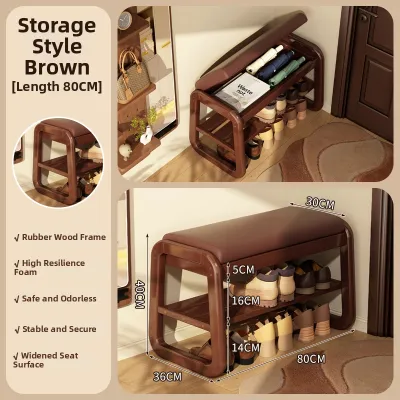
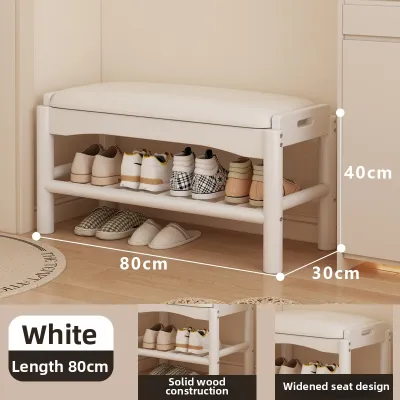
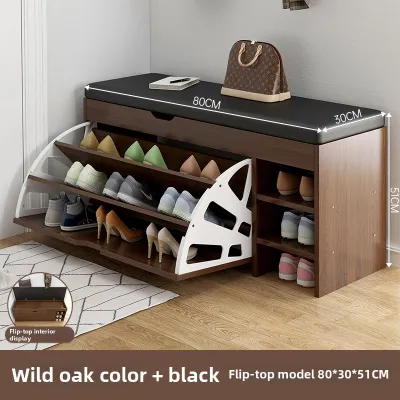
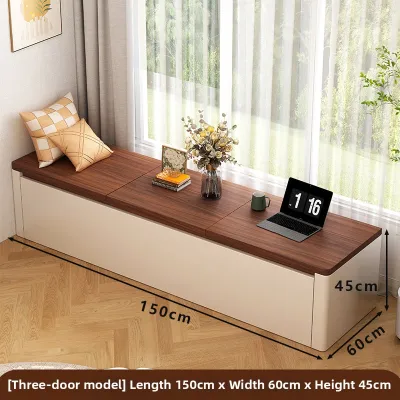
4 Lazada user ratings
The product feels very solid and well-made. It has a nice weight to it and is very sturdy. The seller is great and the customer service was …Read full reviewShow less
The product feels very solid and well-made. It has a nice weight to it and is very sturdy. The seller is great and the customer service was patient while guiding me through the installation. The color is exactly as pictured, the craftsmanship is top-notch, and the materials have a high-quality feel. Overall, you can purchase this with confidence.
The custom cabinet is finely crafted and the dimensions are a perfect fit. Scheduling the technician for on-site installation was smooth, an…Read full reviewShow less
The custom cabinet is finely crafted and the dimensions are a perfect fit. Scheduling the technician for on-site installation was smooth, and the assembly was done very well.
This storage cabinet is a great buy. It has no chemical smell, the assembly service was excellent, and the customer support is very responsi…Read full reviewShow less
This storage cabinet is a great buy. It has no chemical smell, the assembly service was excellent, and the customer support is very responsible.
Really good, the quality is quite nice. It has a good weight to it and looks great.
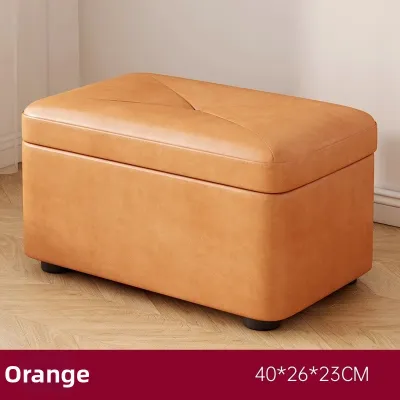
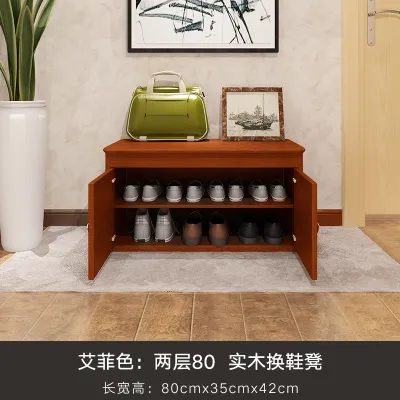
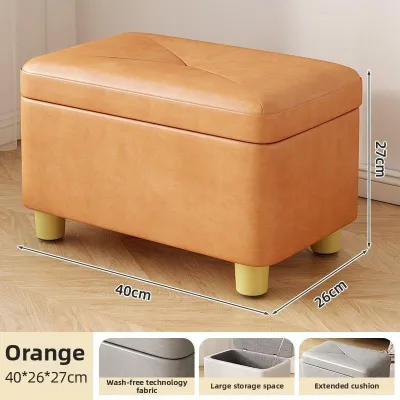
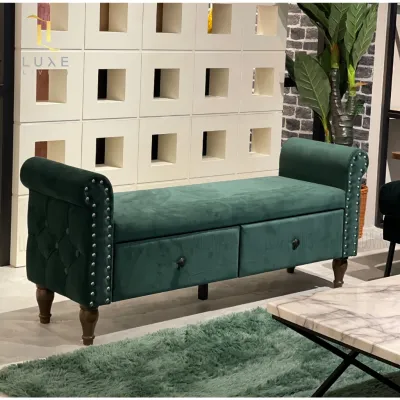
Prices are valid at publication and may change. Please refer to the product page for the latest price.
Next, measure the depth from the selected wall to the opposite wall or the edge of the active walking path. During this process, look out for physical obstructions that could interfere with the bench’s placement. Common culprits in HDB flats include wall-mounted electrical distribution boards, fiber termination points, light switches, intercom units, and existing shoe racks. Your bench must not block access to these utilities or force you to reach awkwardly over the seat to flip a switch.
Finally, map out the door swing radiuses of all nearby doors. This includes your main entrance door, the metal safety gate, and any adjacent bedroom or household shelter doors. Open each door fully and measure the distance from the door edge to the wall. Your storage bench must sit entirely outside these swing arcs to prevent scratches, dents, or structural damage caused by doors repeatedly colliding with the furniture.
Evaluating Storage Bench Dimensions for Tight Spaces
Once you have your exact measurements, you can begin comparing them to standard storage bench dimensions. The depth of the bench is the most critical dimension in a narrow corridor. While standard living room benches often feature depths of 40 to 50 centimeters, a narrow entryway typically demands a much slimmer profile. Look for benches with a depth of 30 to 35 centimeters, which provides enough surface area for comfortable sitting without protruding excessively into the walkway.

The length of the bench should be determined by the continuity of your wall. A bench that is too long can make the entryway feel visually overwhelming and physically cramped. For a single-person seat that holds a few pairs of shoes, a length of 60 to 80 centimeters is usually sufficient. If you have a longer, uninterrupted wall and a larger household, you might opt for a bench length of 100 to 120 centimeters, provided it does not encroach on any door frames or structural pillars.
Height is another essential factor that influences both comfort and accessibility. A standard dining chair or bench height ranges from 40 to 48 centimeters, which is the comfortable height for most adults to sit and tie their shoes. If the bench is too low, standing up can be difficult for older family members; if it is too high, children may struggle to use it safely. Ensure the height you choose leaves ample clearance below any wall-mounted coat hooks or decorative mirrors.
Walkway Clearance and Safety Requirements
Maintaining a clear walkway is not just a matter of convenience; it is a fundamental safety requirement for your home. Inside your HDB flat, a minimum clear walkway width of 90 centimeters is highly recommended to allow a single adult to walk comfortably without turning sideways. If your household includes individuals carrying large grocery bags, pushing strollers, or utilizing wheelchairs, you should aim to maintain a clearance of 110 to 120 centimeters.
If you are considering placing a storage bench in the shared corridor outside your main door, you must strictly adhere to local housing and fire safety regulations. The Singapore Civil Defence Force (SCDF) mandates that a minimum clear escape passage of 1.2 meters must be maintained along all common corridors at all times. This rule ensures that emergency medical services and firefighting personnel can navigate the space swiftly during a crisis, and that residents can evacuate safely.
Before purchasing a bench for external use, measure your corridor’s total width. If placing a bench outside reduces the remaining clear path to less than 1.2 meters, you must keep the bench inside your home. Failing to comply with these safety standards can result in official warnings, fines, and forced removal of the furniture by town council officers.
Space-Saving Features for Narrow Footprints
When floor space is limited, choosing a bench with smart, space-saving design features can significantly enhance your entryway’s utility. Traditional drawers that pull outward require significant clearance in front of the bench, which can completely block a narrow corridor when open. Instead, consider a lift-top bench with high-quality hinges, which allows you to access the storage compartment from above without extending the footprint of the furniture.
Another excellent option for tight spaces is a bench featuring sliding doors or open cubbies. Sliding doors glide parallel to the bench frame, requiring zero extra floor clearance to operate. Open cubbies or wire mesh shelves allow you to slide shoes in and out instantly, keeping the floor tidy while maintaining a highly compact profile. To maximize storage further, utilize the vertical space directly above the bench by installing wall-mounted pegboards, floating shelves, or a row of sturdy coat hooks.
If keeping the floor clear is your priority for easy cleaning, look into floating or wall-mounted bench designs. These units are anchored directly to the wall studs, leaving the floor space underneath clear. This setup allows you to slide frequently worn slippers directly under the bench, keeping them out of sight while making it easy to sweep, mop, or run a robotic vacuum cleaner through the entryway.
Common Sizing and Placement Mistakes
One of the most common mistakes homeowners make is failing to account for the operational clearance of the bench. A bench might fit neatly against the wall when closed, but if the drawers require an extra 30 centimeters of space to open fully, the corridor becomes impassable during use. Always calculate the total depth of the bench with all drawers, cabinets, or lids fully extended before making a final decision.
Another frequent error is overestimating the seating capacity needed for daily life. While a long bench that accommodates three people sounds convenient, it often results in a cluttered, heavy look in a narrow foyer. In most cases, a compact one-seater or two-seater bench is more than enough for an entryway, as family members rarely sit down to put on shoes simultaneously.
Lastly, avoid the temptation to block essential utility access panels or ventilation grilles. In many HDB flats, water meters, electrical panels, or gas meters are located near the entrance. Placing a heavy, difficult-to-move storage bench directly in front of these access points can cause major delays during routine maintenance checks or emergency shut-offs. Ensure your bench is light enough to move easily or positioned clear of these critical areas.
Frequently Asked Questions (FAQ)
Can I place a storage bench outside my HDB main door?
Placing any furniture in the common corridor outside your HDB flat is strictly regulated by the Housing & Development Board and the Singapore Civil Defence Force. You must ensure that a continuous, unobstructed path of at least 1.2 meters remains clear for emergency evacuations. If your corridor is narrow and a bench would reduce the walkway below this limit, you must place the bench inside your entryway instead. Always prioritize fire safety and check with your local town council guidelines before placing items in shared spaces.
How do I choose a durable bench surface for wet shoes and umbrellas?
Because Singapore experiences high humidity and frequent heavy rainfall, entryway furniture is highly susceptible to moisture damage. Rather than assuming a material is durable, carefully review the manufacturer’s product labels and care instructions for specific moisture-resistance ratings. Look for benches made with water-resistant finishes, sealed engineered wood, or powder-coated metal frames that can be easily wiped down. To maintain the bench’s appearance and prevent warping, establish a routine of wiping away standing water immediately and placing wet umbrellas in a dedicated, ventilated stand rather than directly on the bench surface.

Community discussion
Share your experience or ask a question. Comments are reviewed before publication.